Keeping a home aquarium is one of the most rewarding hobbies for nature enthusiasts. Watching vibrant fish swim gracefully and observing their unique behaviors can be both relaxing and educational. Among the wide variety of aquarium fish available, African cichlids stand out for their brilliant colors, fascinating behaviors, and social dynamics.
If you’re interested in adding these stunning fish to your aquarium, Home of Cichlids is an excellent online resource. The website offers a wide selection of African cichlids for sale, detailed care guides, and expert advice on setting up and maintaining a thriving tank. Whether you are a beginner looking to buy African cichlids online or an experienced hobbyist seeking specific species, Home of Cichlids provides everything you need to make informed choices.
In this comprehensive guide, we will explore why African cichlids are ideal for your home aquarium, their care requirements, popular species, and expert tips for successful maintenance.
Introduction to African Cichlids
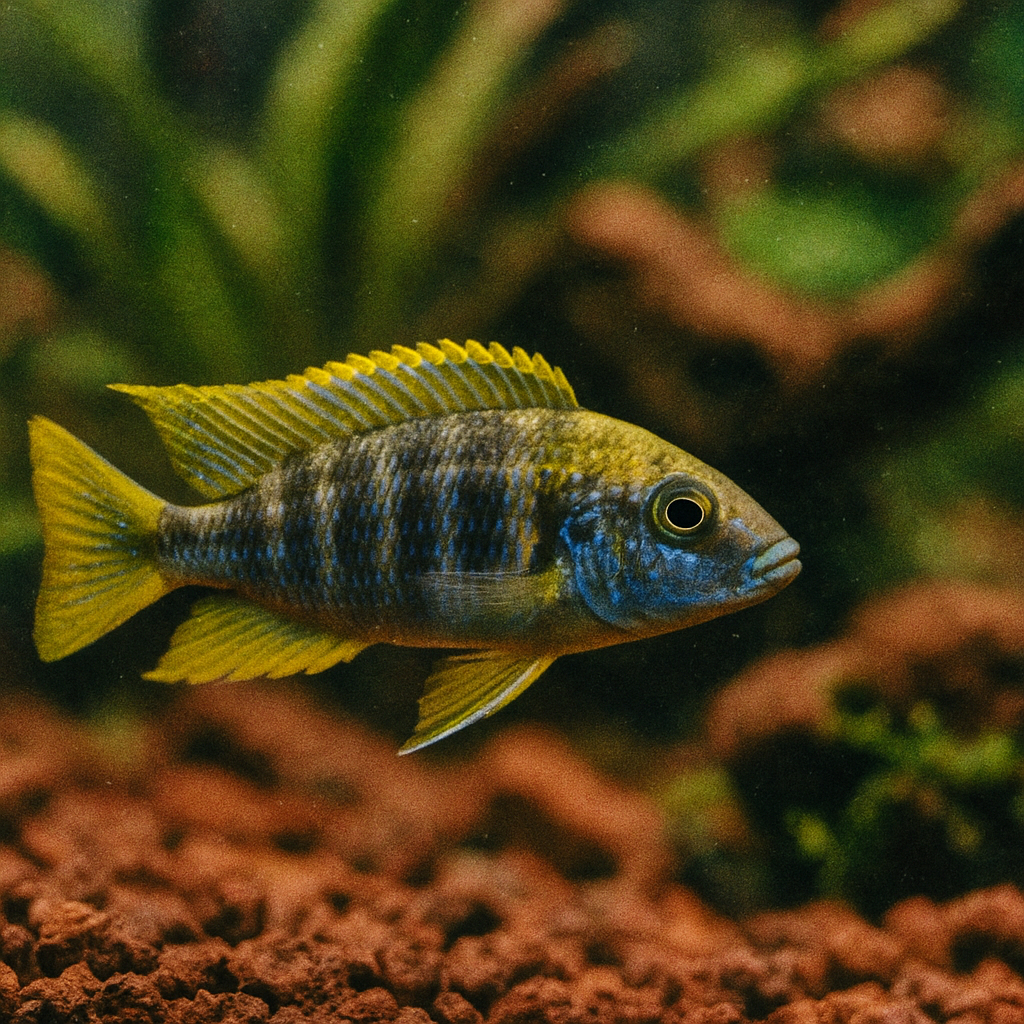
African cichlids are freshwater fish native to the Great Rift Lakes of Africa, including Lake Malawi, Lake Tanganyika, and Lake Victoria. Each of these lakes hosts hundreds of unique cichlid species, each exhibiting distinctive colors, sizes, and behaviors. The stunning diversity of African cichlids has made them a favorite among aquarium enthusiasts worldwide.
Types of African Cichlids
Broadly, African cichlids can be categorized into two main types:
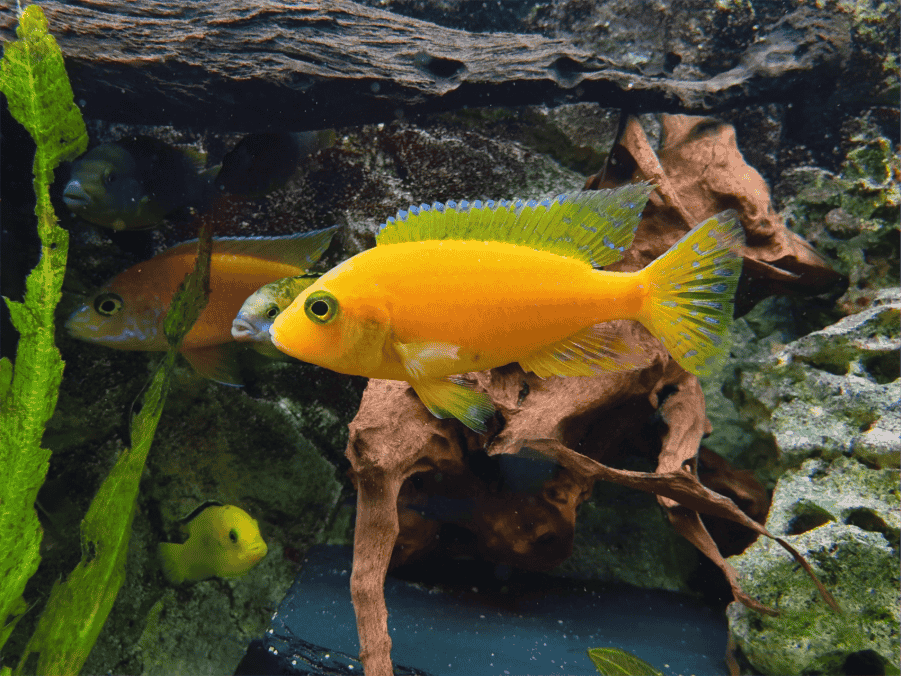
Mbuna Cichlids: Known as rock-dwelling cichlids, Mbuna species are highly territorial and energetic. They are often colorful, displaying patterns of blues, reds, and yellows. Their behavior can be challenging for beginners but rewarding for experienced aquarists.
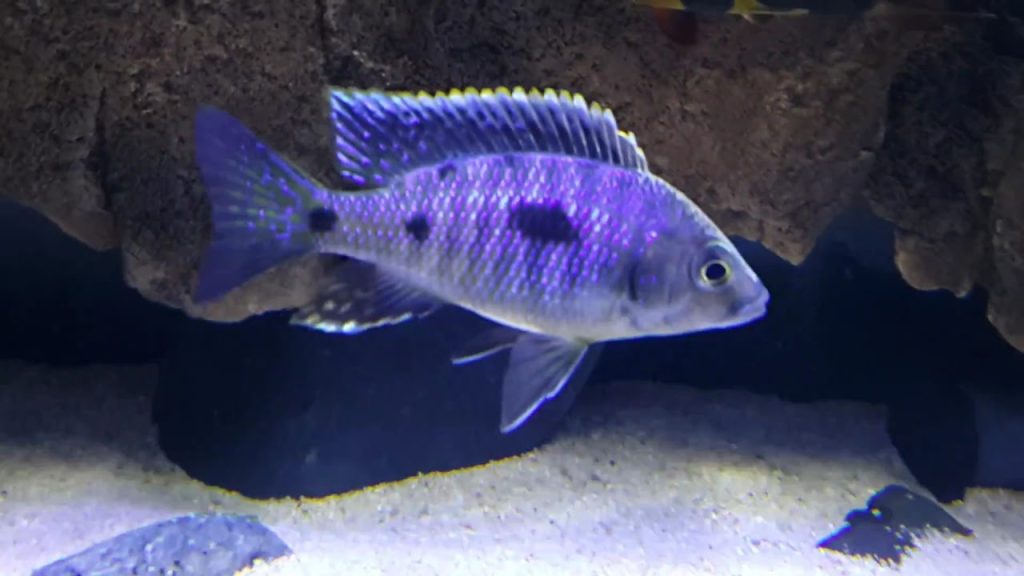
Peacock Cichlids (Aulonocara): These are generally less aggressive than Mbuna and are famous for their vibrant colors and elegant swimming patterns. They are easier to keep and are suitable for both beginner and intermediate hobbyists.
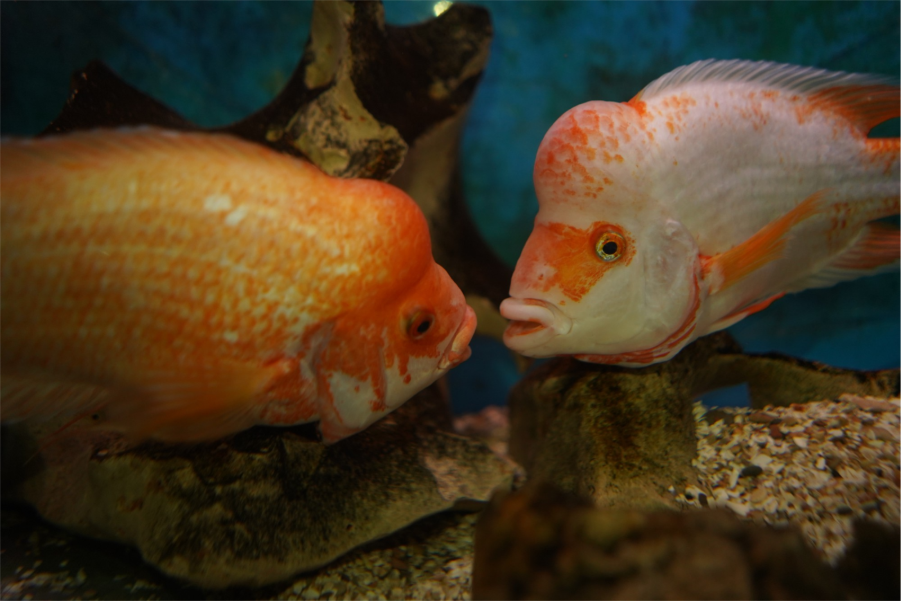
African cichlids are also remarkable for their social behaviors. They exhibit territoriality, hierarchy, and intricate breeding patterns. Observing their interactions can be both fascinating and educational for aquarium enthusiasts.
For more guidance, see Home of Cichlids’ guide for keeping African cichlids.
Why African Cichlids Are a Great Choice
African cichlids are a popular choice for home aquariums due to their vibrant colors, engaging behavior, and fascinating social interactions. Their active nature and unique personalities make them both visually striking and entertaining to observe.
Stunning Colors and Patterns
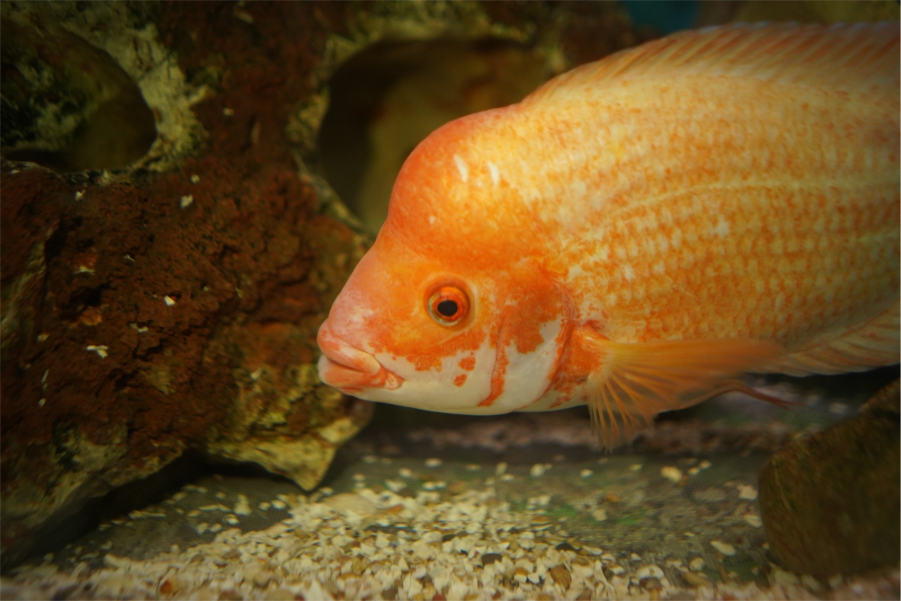
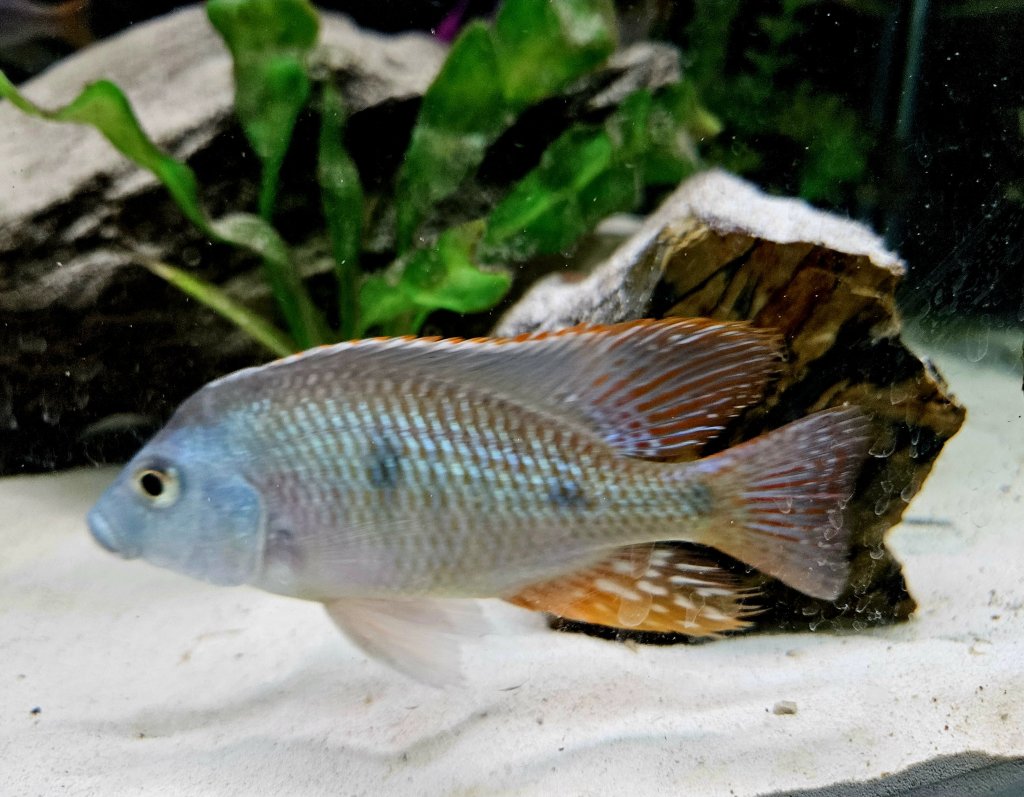
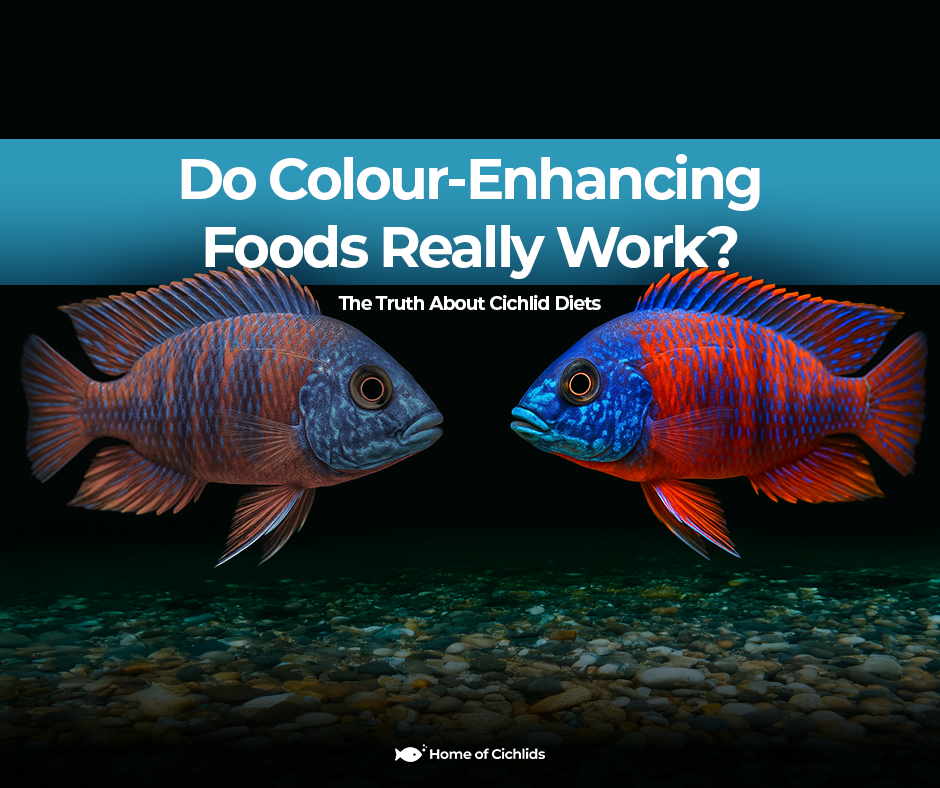
One of the most compelling reasons to choose African cichlids is their breathtaking colors. These fish display a wide range of hues, from deep blues and bright yellows to fiery reds. The intensity of their colors often reflects their health, diet, and environment. Maintaining stable water conditions, a balanced diet, and proper tank décor helps African cichlids show their most vibrant patterns.
Active and Engaging Behavior
African cichlids are highly interactive fish. Unlike some species that remain hidden or inactive, African cichlids explore their tank, interact with other fish, and display engaging behaviors such as territorial displays and courtship rituals. This active behavior makes them an excellent choice for hobbyists seeking a lively and dynamic aquarium environment.
Longevity
With proper care, African cichlids can live for 8–10 years or even longer. Their longevity makes them a long-term investment for aquarium enthusiasts who want to enjoy beautiful, active fish for many years.
Breeding Opportunities
African cichlids are mouthbrooders, meaning the female carries eggs and fry in her mouth until the young are ready to swim independently. Breeding African cichlids can be a rewarding experience, providing insight into their fascinating reproductive behaviors. If you plan to breed, research each species’ specific requirements and observe their interactions carefully.
African Cichlid Tank Requirements
Creating a suitable environment is essential for African cichlids to thrive. Below is a detailed guide to their tank setup:
Tank Size
African cichlids are territorial and active, so tank size is critical. A 55-gallon tank is the minimum for a small community, but larger tanks are recommended for multiple species to reduce aggression.
Water Parameters
Parameter | Ideal Range |
Temperature | 24–28°C (75–82°F) |
pH | 7.8–8.6 |
Hardness (dGH) | 10–20 |
Filtration | Strong, reliable filter |
Stable water parameters are crucial to prevent stress, disease, and color fading.
Substrate and Decor
African cichlids benefit from tanks that replicate their natural habitat. Use sand or fine gravel substrate, rock formations, and caves to provide hiding spots and territories. Mbuna species enjoy grazing on algae-coated rocks, while peacocks prefer open swimming spaces with occasional decorative structures.
For detailed tank setup tips, visit Home of Cichlids’ African fish shop.
Diet and Nutrition
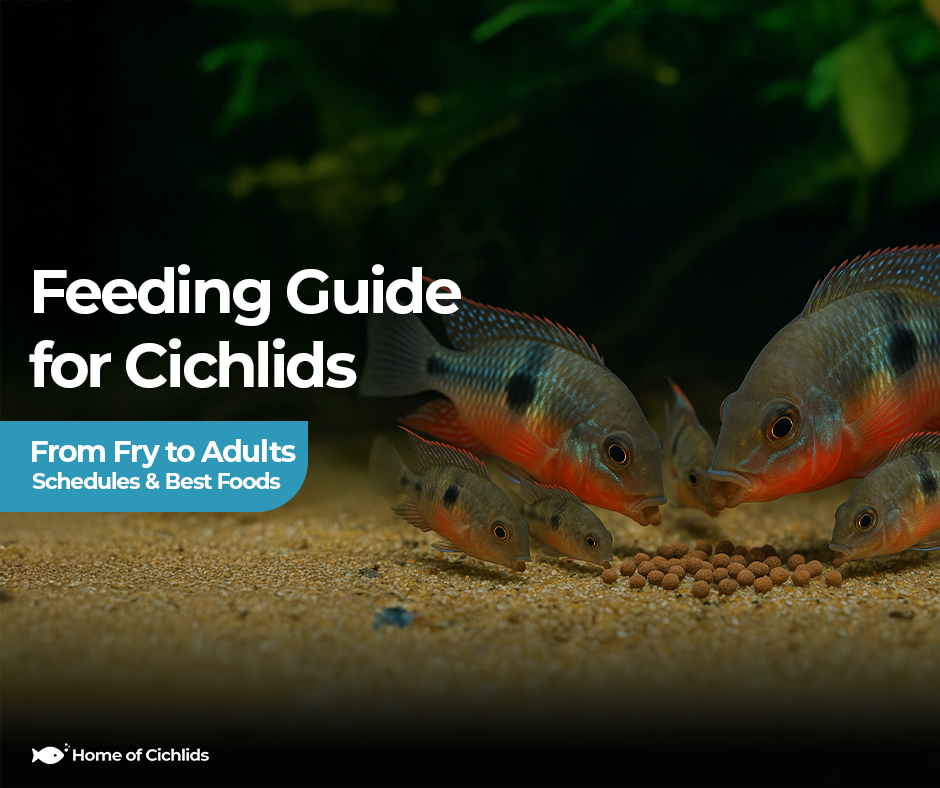
African cichlids are generally omnivorous, but dietary requirements vary by species:
- Mbuna Cichlids: Primarily herbivores; feed on algae, spirulina flakes, and plant-based foods.
- Peacock Cichlids: Omnivorous; enjoy a mix of high-quality flakes, pellets, and occasional live foods such as brine shrimp.
A balanced diet ensures vibrant coloration, strong immunity, and overall health. Avoid overfeeding, as this can pollute the water and lead to obesity. For additional guidance, contact Home of Cichlids for expert recommendations.
Popular African Cichlid Species
Here are some commonly kept African cichlids:
Species | Origin | Color Highlights | Temperament |
Mbuna Cichlids | Lake Malawi | Blue, yellow, red patterns | Territorial |
Peacock Cichlids | Lake Malawi | Bright blue, orange, red | Calm to moderate |
Tropheus Cichlids | Lake Tanganyika | Red, yellow, green patterns | Aggressive |
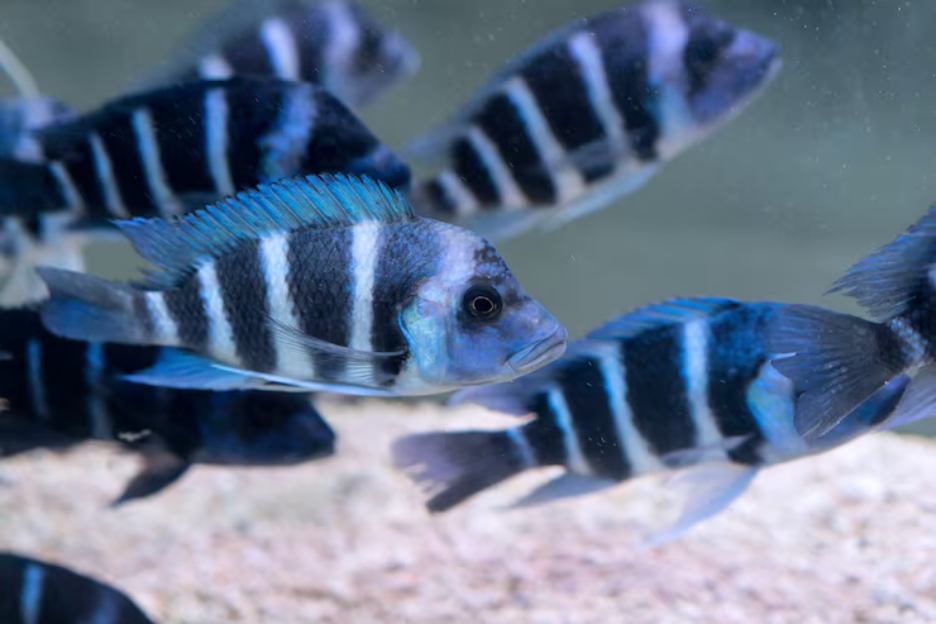
Frontosa Cichlids | Lake Tanganyika | Blue and white stripes | Peaceful |
You can buy African cichlids online at Home of Cichlids, which offers these species and more.
Water Maintenance and Quality
Maintaining clean, stable water is essential for African cichlids. Poor water quality can lead to stress, disease, and fading colors. Follow these tips:
Regular Water Changes: Replace 20–30% of tank water weekly.
Monitor Ammonia, Nitrite, and Nitrate: Ammonia and nitrite should be zero; nitrate should be kept low.
Strong Filtration: Choose filters capable of handling the tank size and fish load.
Avoid Overcrowding: Keep the number of fish proportional to the tank size to reduce aggression.
Proper water maintenance not only keeps your fish healthy but also enhances their natural coloration and behavior.
Tankmates and Compatibility
African cichlids are territorial and may be aggressive toward other fish. Choosing compatible tankmates is crucial:
- Suitable tankmates include other cichlids of similar size and temperament.
- Bottom-dwelling catfish are also good companions as they occupy different areas of the tank.
- Avoid slow-moving or peaceful fish, as they can be bullied.
For advice on creating a balanced community, check Home of Cichlids guide.
Advantages of Buying African Cichlids Online
Purchasing African cichlids online comes with several advantages:
Wide Selection: Online stores offer a larger variety than local shops.
Convenience: You can browse species, learn about their care, and order from home.
Expert Support: Online retailers like Home of Cichlids provide guidance on tank setup, feeding, and disease prevention.
When buying online, ensure the retailer is reputable, provides proper shipping, and includes care instructions.
Tips for First-Time African Cichlid Owners
Start with a Single Species: Reduces territorial disputes and simplifies care.
Monitor Water Parameters: pH, hardness, and temperature should be stable.
Provide Hiding Spaces: Rocks, caves, and decorations reduce stress.
Feed a Balanced Diet: Include high-quality pellets, flakes, and occasional live food.
Understand Breeding Behavior: Be prepared for mouthbrooding and potential fry in the tank.
If you need personalized advice, Home of Cichlids offers expert support.
Common Health Concerns
African cichlids are hardy but can be prone to certain conditions:
- Ich (White Spot Disease): Caused by parasites; treat with aquarium salt or medication.
- Malawi Bloat: Often due to poor diet or stress; prevent with a balanced diet and proper water conditions.
- Fin Rot: Caused by bacterial infections; maintain clean water and quarantine new fish.
Preventive care, proper diet, and clean water are the best strategies for healthy fish.
Environmental Enrichment
African cichlids thrive in enriched environments. Adding rocks, caves, and plants allows them to explore, establish territories, and display natural behaviors. Social interaction, whether with other cichlids or through observing their activities, provides mental stimulation, which is essential for their well-being.
Conclusion
African cichlids offer a combination of vibrant colors, active behavior, and unique social interactions that make them ideal for home aquariums. Their longevity and breeding habits add depth to the hobby, while their dynamic presence ensures a visually stunning tank. By maintaining proper water conditions, providing suitable tank decor, and feeding a balanced diet, African cichlids can thrive and provide years of enjoyment.
Whether you are new to aquarium keeping or an experienced hobbyist, African cichlids are a fascinating choice. To explore a variety of species and learn more about proper care, visit Home of Cichlids and browse their African fish shop today.
Frequently Asked Questions (FAQ)
African cichlids are colorful freshwater fish native to Africa’s Great Rift Lakes. They are known for their vibrant colors, social behavior, and territorial nature.
Yes, but choose species of similar size and temperament. Avoid slow-moving or peaceful fish to reduce aggression.
Feed small portions 1–2 times daily. Avoid overfeeding to maintain water quality.
Explore a wide selection at Home of Cichlids.
A 55-gallon or larger tank with rocks, caves, sand substrate, stable water parameters, and strong filtration is recommended.
With proper care, African cichlids can live 8–10 years or longer.
They are omnivores. Mbuna cichlids eat mainly plant-based foods, while peacock cichlids enjoy a mix of pellets, flakes, and live food.