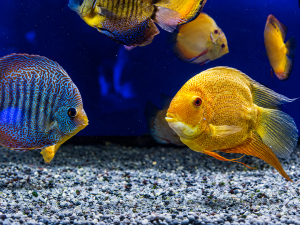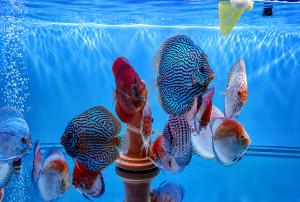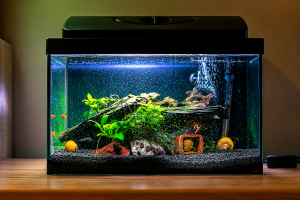
Keeping African cichlids can be one of the most rewarding experiences for aquarists. Their bright colours, dynamic behaviours and energetic presence bring a unique character to any aquarium. However, they are also known for being messy fish that produce a considerable amount of waste. This makes regular tank maintenance an essential part of responsible fishkeeping.
A common question for both new and experienced owners is: how often should I clean my cichlid tank? The answer is not a one-size-fits-all rule. It depends on the tank size, the number of fish, your filtration system and how well you manage feeding. What matters most is creating a cleaning routine that supports stable water conditions while preserving the natural balance of beneficial bacteria.
For a deeper understanding of these fish and their care, you can visit this detailed cichlid information guide.
Why Cleaning Frequency Matters
Cichlids are active fish with big appetites, which means they produce more waste than many other freshwater species. Left unchecked, this waste leads to ammonia and nitrate spikes, cloudy water and unhealthy conditions that put stress on your fish.
At the same time, over-cleaning or using the wrong methods can disrupt the delicate bacterial colonies that keep your tank healthy. These bacteria break down harmful compounds and form the biological backbone of your aquarium system.
The goal is balance: a cleaning schedule that removes excess waste without stripping away the beneficial elements that keep your ecosystem stable.
General Water Change Schedule
The most important part of cichlid tank cleaning is the water change. Unlike a full clean, water changes maintain water quality while leaving much of the ecosystem intact.
Standard routine:
- Weekly: Change 20–30% of the tank water.
- Fortnightly (for lightly stocked tanks): Change 25–30%.
- Heavily stocked tanks: Increase to 30–40% weekly.
Water changes dilute toxins, refresh essential minerals and help stabilise pH levels. For African cichlids, maintaining alkalinity and hardness is especially important. Many aquarists use dechlorinated tap water supplemented with buffering substrates such as crushed coral or limestone.
A proper water change schedule is the foundation of a clean and healthy tank.
Essential Cleaning Tools
Having the right tools makes maintenance easier and less stressful for both you and your fish.
Useful equipment includes:
- Gravel vacuum or siphon: Removes debris from the substrate without disturbing too much bacteria.
- Algae scraper or magnetic cleaner: Keeps the glass free of algae build-up.
- Buckets reserved for aquarium use only: Prevents chemical contamination.
- Aquarium-safe sponges and brushes: For cleaning decorations or equipment.
A simple set of tools allows you to carry out cleaning tasks quickly and effectively, ensuring you stick to a consistent routine.
For more practical advice, you can explore the range of helpful insights available in this cichlid care blog.
Algae Control: A Common Challenge
Algae is a natural part of any aquarium ecosystem. In fact, small amounts can even benefit water quality by absorbing excess nutrients. However, uncontrolled algae growth can block light, cloud the glass and affect water chemistry.
Ways to manage algae:
- Lighting control: Limit light exposure to 8–10 hours per day.
- Nutrient management: Avoid overfeeding, which leads to excess waste and nutrients that feed algae.
- Algae scrapers: Use regularly during weekly checks.
- Tank mates: Certain catfish species can help reduce algae levels without disturbing cichlids.
Instead of aiming to eliminate algae entirely, focus on keeping it under control as part of a healthy aquarium system.
Maintaining Tank Bacteria Balance
One of the most common mistakes beginners make is cleaning too aggressively. While it is important to remove visible waste, it is equally important not to disrupt the beneficial bacteria colonies in your filter and substrate.
These bacteria perform biological filtration, converting toxic ammonia into nitrite and then into relatively safer nitrate. Without them, water quality deteriorates rapidly.
Key tips for bacterial balance:
- Avoid cleaning all filter media at once. Rinse gently in tank water, not tap water.
- Do not replace all substrate or decorations in one session.
- Stagger cleaning tasks across different weeks to give bacteria time to recover.
By keeping bacteria colonies intact, you ensure the biological stability of your cichlid tank.
Step-by-Step Weekly Cleaning Plan
A structured approach makes cleaning less overwhelming. Here is a no-fuss routine most cichlid keepers can follow:
- Turn off equipment such as heaters and filters.
- Scrape algae from the tank walls with a magnetic cleaner.
- Vacuum the substrate with a gravel siphon, removing around 20–30% of water.
- Clean decorations only if heavily soiled, leaving most untouched.
- Rinse filter media lightly in removed tank water once per month.
- Refill with dechlorinated, pH-buffered water.
- Restart equipment and check water parameters.
This process usually takes less than an hour once you have a rhythm. Consistency is more important than doing everything at once.
Monthly and Seasonal Maintenance
In addition to weekly routines, certain tasks can be scheduled monthly or quarterly:
- Inspect equipment: Check heaters, lights and air pumps.
- Deep-clean rocks or artificial structures: Use aquarium-safe brushes.
- Replace water test kits if expired.
- Monitor fish health and behaviour: Subtle changes often signal water quality issues.
Larger seasonal tasks may include adjusting heating during winter or increasing water changes in summer if evaporation is higher.
Feeding and Its Role in Cleaning Frequency
Overfeeding is one of the main reasons tanks get dirty quickly. Excess food decays into waste, increasing the need for cleaning.
To reduce this:
- Feed small amounts once or twice a day.
- Only give food that fish consume within two minutes.
- Remove uneaten food promptly.
A thoughtful feeding routine keeps waste under control, meaning less cleaning and better fish health.
Common Mistakes to Avoid
- Skipping water changes: Leads to nitrate build-up.
- Cleaning everything at once: Removes beneficial bacteria.
- Using household detergents: Harmful to fish.
- Neglecting filter care: Clogs reduce efficiency and flow.
- Inconsistent routines: Irregular care causes unstable conditions.
Avoiding these mistakes ensures a stable and stress-free tank environment.
Conclusion
So, how often should you clean your cichlid tank? In most cases, a weekly water change of 20–30%, paired with light cleaning of the glass and substrate, is the best approach. More heavily stocked tanks may require larger or more frequent changes, while lightly stocked tanks can be managed with fortnightly routines.
The key is finding a balance between removing waste and preserving the beneficial bacteria that keep your ecosystem healthy. With a practical schedule, the right tools and consistent care, your cichlids will thrive in a clean, stable environment.
For more information about dedicated fishkeeping practices, you can learn more about the team behind Home of Cichlids.
FAQs
Rinse filter media lightly every 3–4 weeks using tank water, not tap water, to preserve beneficial bacteria.
Complete strip-down cleans are rarely necessary and can disrupt the ecosystem. Regular partial maintenance is better.
Signs include cloudy water, excess algae, foul smells or stressed fish. Increase water changes if these appear.
Not necessarily, but since they are messy, a reliable gravel siphon and strong filtration system are highly recommended.
Yes, but always treat it with dechlorinator and ensure it is buffered to maintain the required pH for cichlids.