Category

Blog

Beginner-Friendly Cichlids The Best Species to Start With

Beginner-Friendly Cichlids: The Best Species to Start With

By Blog

Cichlids often intimidate new aquarists due to their reputation for aggression and complex care requirements. However, several species make excellent starter fish for those venturing into cichlid keeping. This guide will help you understand what makes certain cichlids beginner-friendly and introduce you to the best species for newcomers.

What Makes a Cichlid Beginner-Friendly?

Before diving into specific species, it’s important to understand the characteristics that make certain cichlids more suitable for beginners. A beginner-friendly cichlid typically demonstrates:

Hardiness

These fish can withstand minor mistakes in water chemistry and care, making them forgiving of the learning curve new aquarists face. They resist common diseases and adapt well to varying conditions within reasonable limits.

Manageable Temperament

While most cichlids show some aggression, beginner-friendly species display milder territorial behaviours. They typically coexist peacefully with appropriate tank mates and don’t require complex social hierarchies to thrive.

Simple Care Requirements

Look for species that accept standard fish foods and adapt to typical aquarium setups. The best starter cichlids don’t need precisely controlled water parameters or specialised diets to flourish.


Top Beginner-Friendly Cichlid Species

1. Electric Yellow (Labidochromis caeruleus)

Often called the Yellow Lab, this vibrant African cichlid stands out as one of the most peaceful Mbuna species. Their striking yellow coloration and relatively calm demeanour make them popular choices for beginners.

Electric Yellow

Care Specifications:

  • Tank Size: 30+ gallons
  • Water Parameters: pH 7.6-8.4
  • Temperature Range: 74-82°F
  • Maximum Size: 4 inches
  • Diet: Omnivorous, readily accepts prepared foods
  • Special Requirements: Rocky hiding spots

2. Rainbow Cichlid (Herotilapia multispinosa)

These colourful Central American cichlids exhibit peaceful behaviour unusual for their family. Their manageable size and adaptable nature make them excellent community tank residents.

Rainbow Cichlid

Care Specifications:

  • Tank Size: 20+ gallons
  • Water Parameters: pH 6.5-8.0
  • Temperature Range: 72-80°F
  • Maximum Size: 4-5 inches
  • Diet: Omnivorous, accepts most foods
  • Special Requirements: Plants and driftwood for territory

3. Firemouth Cichlid (Thorichthys meeki)

Named for their bright red throat patch, Firemouths combine striking appearance with manageable care requirements. While territorial, their aggression rarely causes serious problems in appropriately sized tanks.

Firemouth

Care Specifications:

  • Tank Size: 30+ gallons
  • Water Parameters: pH 6.5-8.0
  • Temperature Range: 75-82°F
  • Maximum Size: 6 inches
  • Diet: Varied diet including flakes and frozen foods
  • Special Requirements: Caves or clay pots for hiding

4. Bolivian Butterfly (Mikrogeophagus altispinosus)

These peaceful South American cichlids make excellent community tank residents. Their sand-sifting behaviour provides endless entertainment while maintaining the substrate.

Bolivian Butterfly (Mikrogeophagus altispinosus)

Care Specifications:

  • Tank Size: 20+ gallons
  • Water Parameters: pH 6.0-7.5
  • Temperature Range: 72-79°F
  • Maximum Size: 3-4 inches
  • Diet: Omnivorous with emphasis on small invertebrates
  • Special Requirements: Sandy substrate for natural behaviour

5. Yellow Cap Lamprologus

These Lake Tanganyikan cichlids offer an excellent introduction to African cichlids while remaining manageable for beginners.

Lamprologus (Yellow cap)

Care Specifications:

  • Tank Size: 20+ gallons
  • Water Parameters: pH 7.8-9.0
  • Temperature Range: 72-78°F
  • Maximum Size: 3-4 inches
  • Diet: Carnivorous, accepting frozen foods and quality pellets
  • Special Requirements: Multiple rock caves and crevices

6. Severum Cichlids (Gold and Red Shoulder variants)

These gentle giants of the beginner-friendly cichlid world combine peaceful temperaments with impressive size. Their intelligence and interactive nature make them engaging pets.

Gold Severum

Care Specifications:

  • Tank Size: 55+ gallons
  • Water Parameters: pH 6.0-7.5
  • Temperature Range: 72-79°F
  • Maximum Size: 8-10 inches
  • Diet: Omnivorous, including vegetable matter
  • Special Requirements: Open swimming areas with plant coverage

7. Rusty Cichlid (Iodotropheus sprengerae)

These understated but attractive African cichlids prove less aggressive than most Mbuna species, making them excellent starter fish.

Rusty Cichlid

Care Specifications:

  • Tank Size: 30+ gallons
  • Water Parameters: pH 7.5-8.4
  • Temperature Range: 74-82°F
  • Maximum Size: 3-4 inches
  • Diet: Omnivorous, primarily algae-based with prepared foods
  • Special Requirements: Rocky habitat with multiple hiding spots

8. Blood Red Parrot

These hybrid cichlids combine striking appearance with a peaceful temperament, making them excellent centrepiece fish for beginners.

Blood Red Parrot

Care Specifications:

  • Tank Size: 30+ gallons
  • Water Parameters: pH 6.5-7.4
  • Temperature Range: 76-80°F
  • Maximum Size: 8 inches
  • Diet: Quality pellets and frozen foods
  • Special Requirements: Open swimming areas with caves for security
  • Special Note: May have difficulty eating certain foods due to mouth shape


Essential Care Tips for Success

  1. Proper Tank Setup
  • Cycle your aquarium completely before adding fish
  • Provide appropriate hiding spots and territories
  • Maintain stable water parameters
  • Include proper filtration and regular maintenance
  1. Feeding Guidelines
  • Offer a varied diet appropriate for your species
  • Feed small portions 2-3 times daily
  • Include both protein and vegetable matter when appropriate
  • Remove uneaten food promptly
  1. Social Considerations
  • Start with a single species until you gain experience
  • Research compatible tank mates carefully
  • Provide adequate space to reduce territorial disputes
  • Monitor for signs of aggression or stress
  1. Health Monitoring
  • Perform weekly water changes of 20-25%
  • Check water parameters regularly
  • Watch for changes in behaviour or appearance
  • Quarantine new fish before adding to main tank

Common Mistakes to Avoid

  1. Overcrowding the tank
  2. Mixing incompatible species
  3. Neglecting water changes
  4. Overfeeding
  5. Adding fish before the tank cycles completely

Conclusion

Starting your cichlid journey with these beginner-friendly species sets you up for success in the hobby. Remember that even the most peaceful cichlids require proper care and attention to thrive. As you gain experience, you can explore more challenging species, but these starter fish offer a perfect balance of hardiness, beauty, and manageable care requirements.

Remember to research thoroughly before purchasing any fish and ensure your setup meets their specific needs. With proper care and attention, these beginner-friendly cichlids can provide years of enjoyment and serve as excellent introduction to the fascinating world of cichlid keeping.

Easy Methods to Test Your Fish Tank Water at Home

Easy Methods to Test Your Fish Tank Water at Home

By Blog

Keeping a fish tank is a rewarding hobby but requires diligent care. Among the most important aspects of keeping fish is maintaining optimal water quality. While regular water changes are essential, testing your tank water is equally important.

Here are some simple methods to test your fish tank water at home:

1. Visual Inspection:

Water Clarity
Clear water is usually a good sign, but cloudy or murky water often points to an excess of organic matter, such as uneaten food, fish waste, or even algae blooms. If your water looks off, it’s time to check your filtration system or consider a water change. A little maintenance can go a long way in keeping your tank pristine.

More info on: How Water Quality Impacts Long-Term Fish Health

Fish Behaviour
Your fish are excellent communicators if you know what to look for. Healthy fish are active and curious, swimming with ease throughout the tank. If you notice them becoming lethargic, gasping at the surface, or darting around erratically, it could mean something is wrong. These behaviours are often tied to poor water quality or stress, so take action by testing the water and addressing the root cause.

Plant Health
Plants in your tank are more than just decoration—they’re living indicators of water chemistry. When plants are thriving, with vibrant colours and steady growth, it’s a good sign your tank’s conditions are balanced. However, if you see wilting, yellowing, or discoloured leaves, it could point to problems like insufficient lighting, a lack of nutrients, or an imbalance in pH levels. Healthy plants not only look great, but also contribute to better water quality by absorbing nitrates.

2. Water Parameter Test Kits:

You can find water parameter test kits at pet stores or online. These kits let you measure key water parameters:

pH:
The pH level tells you how acidic or alkaline your water is. Most fish thrive in slightly acidic to neutral water, typically in the range of 6.5 to 7.5, though some species have specific needs. Fluctuations in pH can cause stress, so regular testing ensures stability. A balanced pH helps create a comfortable environment where fish can grow and thrive.

Ammonia:
Ammonia is a natural byproduct of fish waste, uneaten food, and decaying organic material. Even small amounts are highly toxic to fish, leading to burns on their gills and making it difficult for them to breathe. Testing for ammonia regularly can alert you to early issues before they become deadly. If levels spike, it’s a sign that your tank’s filtration system might need attention.

Nitrite:
Nitrite forms as bacteria break down ammonia, making it an essential step in the nitrogen cycle. However, nitrite is still harmful to fish and can lead to stress, rapid breathing, and even disease. Keeping nitrite levels close to zero is critical for a healthy tank. A good filtration system and regular water changes are your best defences.

Nitrate:
Nitrate is the final product of the nitrogen cycle and is much less toxic than ammonia or nitrite. Still, high nitrate levels over time can harm your fish, causing issues like poor growth, stress, or algae overgrowth in your tank. Regular water changes, live plants, and careful feeding can help keep nitrate levels in check.

3. DIY Water Testing Methods:

While water test kits are accurate, here are a few DIY methods to get a rough estimate of certain parameters:

pH Test Strips:
pH test strips, commonly used for swimming pools, can provide a general idea of your tank’s pH level. After dipping the strip into the water and allowing the colour to develop, compare it to the package’s colour chart.

Copper Test Strips:
If you suspect copper contamination (e.g., from copper-based medications or plumbing), copper test strips can help you detect its presence.

Tips for Maintaining Healthy Water Quality:

  1. Regular Water Changes: Perform partial water changes weekly or bi-weekly to remove accumulated waste and replenish essential minerals.

  2. Proper Filtration: A high-quality filter is essential for removing impurities and maintaining water clarity.

  3. Balanced Nutrition: Feed your fish a balanced diet to minimise waste and nutrient buildup.

  4. Avoid Overcrowding: Overcrowding can lead to increased waste and poorer water quality.

  5. Monitor Water Temperature: Ensure your tank’s temperature is suitable for your fish species.

  6. Control Algae Growth: Proper lighting, water changes, and algae-eating fish can help control algae.


Conclusion

It would only take these simple methods of maintaining good water quality in order to create a healthy and thriving environment for the fish. Regular testing, water changes, and proper filtration will ensure that the well-being of the aquatic companion is not compromised.

Regular testing of the water in your fish tank, coupled with proactive measures to maintain the quality of water, will help you create a thriving aquatic environment for your fish. Keep in mind that quality water is the foundation of a healthy aquarium!

How Water Quality Impacts Long-Term Fish Health

How Water Quality Impacts Long-Term Fish Health

By Blog

We all endeavour to enhance our skills as aquarists.

When a fish arrives in a tank, it is often in optimal condition. Maintaining health and vitality is an objective we all strive to attain. One of the crucial key points in performing it is by ensuring the water quality.

Summary

  • Importance of Water Quality: Optimal tank water is vital to sustaining fish health; stress from poor water conditions makes fish vulnerable to pathogens.

  • Key Parameters:

    1. Physical (temperature, turbidity, colour, taste/odour, TDS) – affect gas solubility, light penetration and general water clarity.

    2. Chemical (pH, acidity/alkalinity, hardness, dissolved oxygen, BOD, nutrients, chlorine) – govern nutrient availability, respiration and the risk of algal blooms or chemical toxicity.

    3. Biological (bacteria, algae, viruses) – signal contamination levels and potential disease threats.

  • Signs of Declining Water Quality: Rapid gill movement, reduced appetite, erratic swimming or staying near the surface often precede more severe illness.

  • Recommended Practices:

    1. Perform weekly water changes and ensure your filter matches the tank’s bioload.

    2. Recreate each species’ native water conditions by adding appropriate salts or treatments, fostering a stable, thriving aquarium ecosystem.

Water Quality

All tank water harbours waterborne pathogens, including bacteria, parasites, and viruses, such as white spot. Fish, akin to humans, inhabit a world teeming with microscopic organisms. Healthy fish coexist harmoniously with these. However, when a fish experiences stress from water quality, contact with tank mates, or transportation, it becomes susceptible to these factors.

The parameters for measuring water quality are divided into three basic categories:

1. Physical Parameters:

  • Temperature: This determines the solubility of gases and metabolic rates of the aquatic organisms.
  • Turbidity: The cloudiness of water and the presence of suspended particles.
  • Colour: It can be natural, but it also can be due to pollutants, which affect light penetration and aquatic life.
  • Taste and Odour: By organic material, chemicals, or algae; indirectly influences palatability of water.
  • Total Dissolved Solids (TDS): By the concentration of dissolved substances, its measures indirectly influence conductivity in water.

2. Chemical Parameters:

  • pH: it determines acidity or alkalinity, which consequently affects the availability of nutrients and the organisms’ survival.
  • Acidity: measures acidic substance’s concentration and therefore influences water corrosively.
  • Alkalinity: measures the capacity to neutralise acids, affecting pH stability.
  • Hardness: This shows the availability of calcium and magnesium ions that increase the possibility of scale deposition in water.
  • Dissolved Oxygen (DO): From a biological perspective, DO is crucial for the gaseous respiration of aquatic organisms.
  • Biological Oxygen Demand (BOD): Determines the oxygen utilised by microorganisms to decompose organic matter.
  • Nutrients (Nitrogen and Phosphorus): In high concentration, nutrients promote abnormal algal development.
  • Chlorine: Used to disinfect. However, its excess presence can be harmful to aquatic life.

3. Biological Parameters:

  • Bacteria: Indicate the chance of contamination and possible health hazards.
  • Algae: It can cause depletion of dissolved oxygen and produces toxins.
  • Viruses: It is the causative agents of several diseases in humans as well as animals.

These parameters are applicable in water quality monitoring wherein water is ensured safe for drinking purposes, recreation, as well as aquatic ecosystems.

What are the indicators of a Poor Water Quality?

Fish typically exhibit behavioural indicators when they are unwell prior to being very ill.

  • Rapid respiration
  • Less hunger
  • Irregular swimming
  • Elevated position in the tank


What to do?

1. Consistent water changes are essential, accompanied by sufficient filtration to accommodate the fish tank’s bioload. Increased investment of time in water changes yields superior results; weekly water changes are advised.

2. Imitating the fish’s natural aquatic environment by the application of salts or alternative treatments yields vibrant, healthy fish that flourish over time. For optimal rearing, mimic, as much as possible, the fish’s natural aquatic environment by the strategic addition of salts or special treatments to create optimal water conditions. In this way, you can begin to create a thriving ecosystem where the health and clarity of your fish can shine.


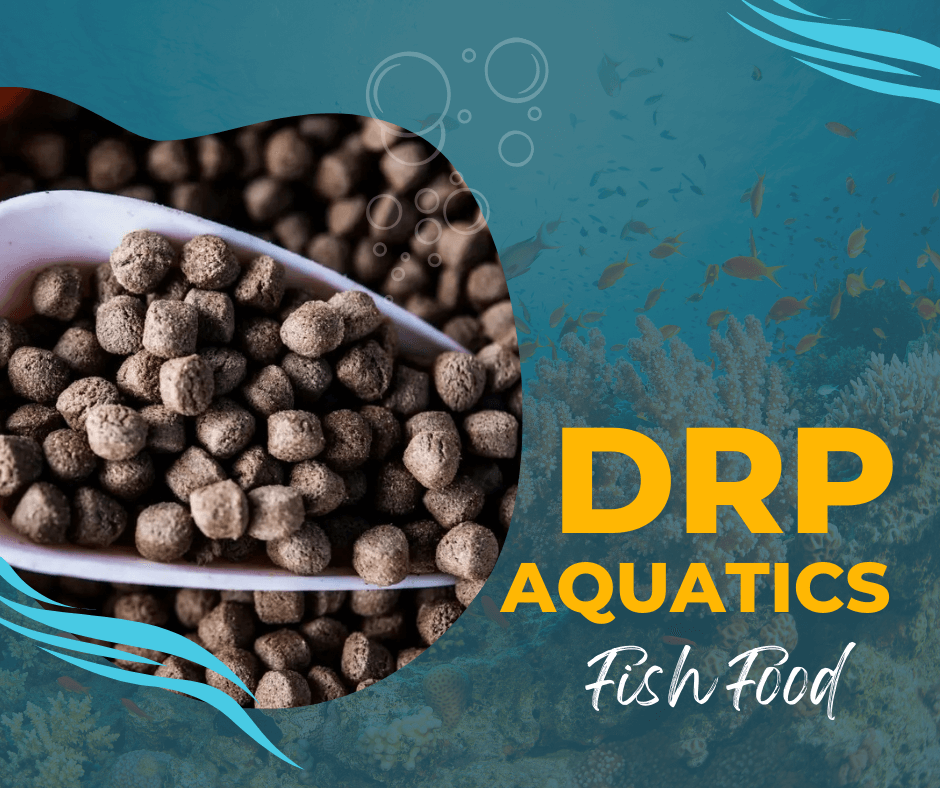
DRP Aquatics Fish Food

DRP Aquatics Fish Food

By Blog

We are excited to supply this quality affordable fish food.
DRP fish food satisfies the strictest approval requirements in the aquaculture industry, since it has been authorised for the production of fish meant for human consumption. Quality feed is essential in aquaculture, but feeding your fish goes further than just that: it brings about more-important-than-weight gains in the health and vitality of the growth. Enter DRP-a revolutionary fish feed that redraws limits on nutritional excellence.

Why DRP Aquatic Fish Foods?

1. DRP: Low in Carbs, High in Power
The risk of gastrointestinal issues rises with a higher proportion of carbs. A greater proportion signifies an increased presence of fillers or carbohydrates, which I refer to as zero-value ingredients. DRP, however, is produced with minimum carbs, giving your fishes optimum gut condition. Minimum levels of carbohydrates will improve the digestion and absorption of nutrients by your fishes.

2. High Protein, High Performance
Protein exhibits excellent digestibility and DRP does run on high protein. This demonstrates how good the fish food is. DRP provides your fish with the essential amino acids required in the development of the muscle and well-being. Your fish reaches their full potential. Life’s building block is protein, and DRP delivers. It has a high protein digest that is impressive. This allows your fish to easily absorb nutrients that would enable them to grow strong and healthy.

3. Fibre: The Thin Line
There is a fine line when it comes to dietary fibre because too much will result in over-dilution of the nutrients of fish feed. DRP gets the fibre just right, allowing fillers not to compromise the quality of ingredients.

4. Balanced Nutrition for Long-term Health
DRP is one of the highly balanced diets that ensure your fish retains long-term health. This formula offers an all-inclusive balance of essential nutrients for the well-being of your fish.

5. A Feed for All Ages
This food is suitable from free swimming fry to fully grown. Fish of every age, from fry to adults, can be treated with DRP. This made it convenient and effective feeding solution because of its adaptable nature.

6. New Form of Feeding
As for DRP, it can also be crushed into a fine powder for use in the raising of fry without relying on brine shrimp. The new feed style has made feeding so much easier, with the guarantee of optimal growth.

Conclusion

It is a guarantee of quality, nutrition, and the welfare of your aquatic companions; it is more than just fish feed. DRP gives you an investment in the future of your fish. This feed helps deliver all the nutrients required for optimal growth, vibrant health, and long-lasting vitality to the home aquarium. With DRP, rest assured of the highest quality nutrition in your fish, which will help to keep your aquarium thriving and beautiful. DRP is not fish feed, but it does involve a commitment to quality, nutrition, and the well-being of your aquatic companions. By choosing DRP, you’re making an investment in your fish’s future.