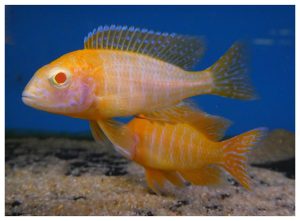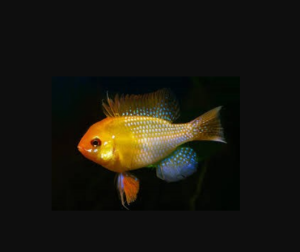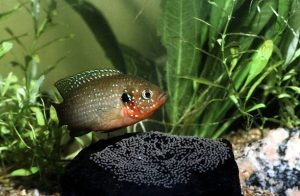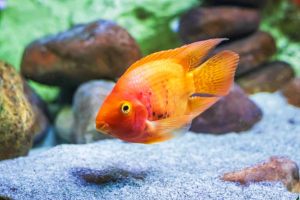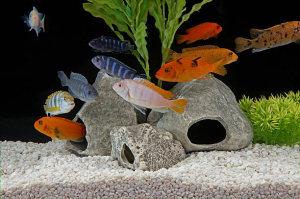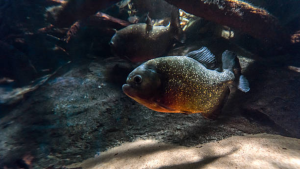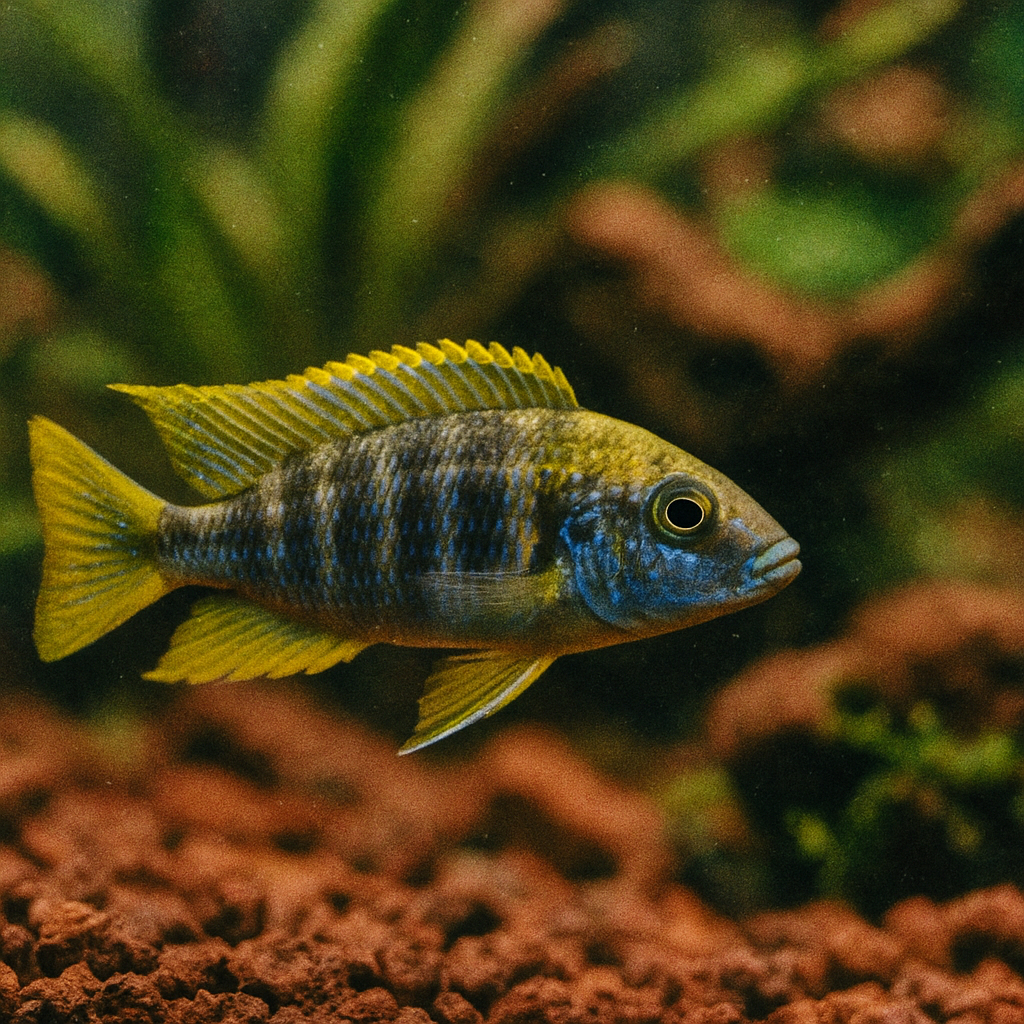
For advanced aquarists down under, the allure of breeding rare and exotic cichlids is irresistible. Australia’s strict regulations around exotic aquarium fish make the acquisition and breeding of such species both challenging and rewarding. In this in-depth guide, we explore the rarest cichlids to breed in Australia, focusing on species with high collector demand, the ethical considerations breeders must navigate, and the detailed husbandry required to maintain these prized fish.
1. Defining “Rare” in the Australian Aquarium Hobby
- Legal Rarity: Australian regulations often restrict the import of exotic cichlids. Species that are permitted but seldom imported become rare due to legal limitations.
- Demand-Driven Rarity: Some species have a high price tag and limited availability because of genuine scarcity or collector enthusiasm.
- Breeding Complexity: Certain species are seldom bred in captivity because they require highly specific water chemistry, diet, or tank structures.
2. Top Rare Cichlid Species to Breed in Australia
2.1. Nimbochromis venustus (Venustus Cichlid)
- Origin: Lake Malawi
- Why Rare: Massive size (up to 30 cm), predatory habits, and complex social dynamics make this species difficult to culture.
- Breeding Challenge: They require spacious tanks, high bio-load, and a diet of live or frozen meaty foods with excellent filtration and frequent water changes.
2.2. Placidochromis phenochilus
- Origin: Lake Malawi
- Collector Appeal: Deep blue and olive hues, elegant finnage.
- Breeding Difficulty: Males are fiercely territorial and the substrate mouthbrooding females need soft sand and calm tankmates.
2.3. Astatotilapia burtoni var. Uganda
- Origin: Nile tributaries, Uganda
- Why It’s Rare: Varieties with vibrant orange-red ventral colouring are scarce and seldom traded.
- Ethical Sourcing: Imported only through well-documented, ethical channels to avoid damaging wild populations.
2.4. Copadichromis borleyi “Blue Fin”
- Origin: Lake Malawi
- Collector Appeal: Metallic-blue finning on a creamy body; the males develop intense colouration during breeding.
- Breeding Considerations: Prefer sandy substrates, shell caves for spawning, and stable high pH/alkaline water.
2.5. Paratilapia polleni
- Origin: Madagascar
- What Makes It Exotic: Striking black-and-yellow banding, robust parental care.
- Breeding Notes: Sensitive to water quality, requires meticulous attention to tank chemistry and daily feeding routines.
3. Ethical Sourcing and Responsible Importing
When sourcing rare species, ethical breeders will always:
- Verify import permits and ensure compliance with state and federal aquaculture regulations.
- Source from reputable breeders or exporters with strict conservation measures.
- Avoid wild-caught specimens unless they are part of an approved conservation or managed population release program.
For those in Australia, a trusted starting point is contacting established networks. One such resource is the Home of Cichlids Australia, an organisation that champions sustainable and ethical breeding practices. Use their contact page for inquiries on sourcing rare species or joining structured breeding programs.
4. Husbandry Best Practices for Rare and Exotic Cichlids
4.1. Water Chemistry & Tank Setup
- Hard, Alkaline Water (pH 7.8–8.6 / dGH 10–20) is essential for Lake Malawi and African riverine species.
- Large, Advanced Tanks: For species like Nimbochromis venustus, 600 L+ aquariums with over-filtration systems are recommended.
- Substrate & Décor: Sandy media with rockwork, caves, or leaf litter depending on species preferences; e.g., Paratilapia polleni thrive among driftwood.
4.2. Feeding Regimes
- High-Protein Diet: Essential for predatory species — live/frozen feeders (e.g., prawns, bloodworms), pellets, supplemented occasionally with vegetable matter.
- Conditioning for Breeding: Increase feeding intensity leading into breeding cycles—particularly before spawning events in mouthbrooders.
4.3. Breeding Protocols
- Breeding Triggers: Simulate rainy season or increase water temperature slightly (+1–2°C) to initiate spawning.
- Brooding Strategy:
- Mouthbrooders (e.g., Placidochromis, Copadichromis): Provide calm spaces and minimal tank disturbances.
- Substrate spawners (e.g., Paratilapia polleni): Ensure flat rock ledges or driftwood surfaces for egg-laying and careful observation for brood defense.
5. Creating Sustainable Breeding Programs
Implement these protocols to maintain healthy, sustainable captive breeding lines:
- Record Keeping & Line Management
- Keep lineage records to minimise inbreeding.
- Track spawn dates, parentage, growth rates, and health observations.
- Health Monitoring & Quarantine
- Use 2–4 week quarantine per new acquisition.
- Routine disease checks (e.g., parasite screenings).
- Ethical Sales & Exchanges
- Share surplus juveniles with established breeders or aquarium clubs.
- Donate to conservation-oriented programs when appropriate.
6. Linking with Industry Networks in Australia
Integration into Australian cichlid breeding communities is vital:
- Home of Cichlids Australia is a leading resource hub for rare species breeders. Their network helps facilitate access, expertise, and ethical sourcing.
- Local aquarium clubs across Queensland, New South Wales, and Victoria often host cichlid-focused gatherings, auctions, and talking sessions—an excellent opportunity to network and collaborate.
7. Challenges and Rewards of Breeding Rare Species
Challenges:
- High Initial Investment: Specialized tanks, test kits, and advanced filtration.
- Complex Water Quality Needs: High pH and hardness require regular, consistent testing.
- Long Wait for Results: Achieving a successful spawn can take months or even years of careful conditioning.
Rewards:
- High Collector Demand: Rare species can command premium prices, especially ethically sourced and captive-bred.
- Topical Expertise: Being one of the few breeders of elite African species in Australia elevates your reputation.
- Conservation Benefit: Reducing wild-caught imports in favour of captive-bred alternatives helps preserve wild populations.
Conclusion
Breeding rare cichlids in Australia is a pursuit for the dedicated and experienced aquarist. It demands meticulous attention to water quality, tank environment, feeding strategies, and ethical sourcing protocols. Yet the payoff is immense: these magnificent species are in high demand, limited in availability, and provide immense satisfaction when bred successfully.
By forging relationships with reputable networks—like the Home of Cichlids Australia—and applying best-practice husbandry standards, you can establish a successful program that supports conservation and collector interest alike. With the proper knowledge, infrastructure, and care, you might soon be the go-to breeder for exotic, high-demand cichlids in Australia.
Ready to connect with like-minded breeders or source your next rare species?
Contact the Home of Cichlids via their contact page to start sourcing ethically bred rarities and to join their breeding network.
FAQs
Rarity stems from legal restrictions, limited availability through import channels, and difficulty in breeding those species in captivity.
Only through licensed importers with proper permits. Hobbyist import is not permitted—ethical sourcing via breeders is the approved route.
Not inherently harder—but they do need stable, undisturbed environments. Substrate spawners require carefully prepared laying sites.
Ask for documents showing wild vs captive origin, import permits, and preferably parentage certifications from known breeders
Territorial, larger species like Nimbochromis venustus: 600 L+ Smaller cichlids like Copadichromis, Placidochromis: 250–400 L with ample hiding spots