Description
General Information:
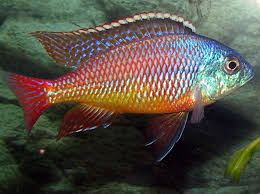
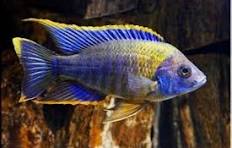
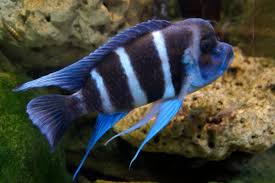
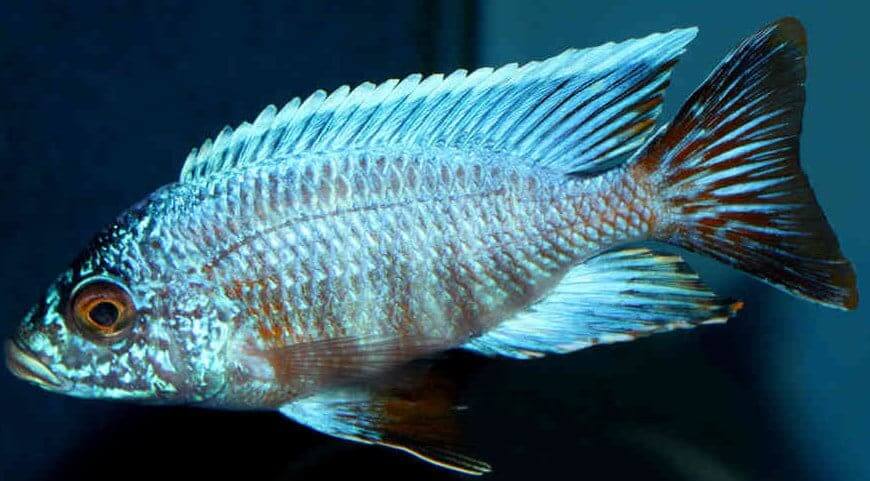
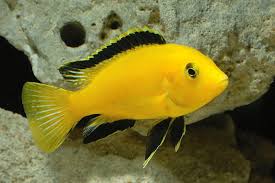
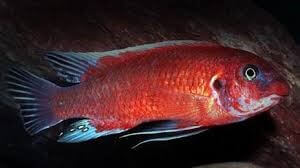
Labeotropheus trewavasae ‘Chilumba Ochre’ is a stunning mbuna cichlid native to the rocky shores of Lake Malawi. This variety is known for its ochre-to-orange body hues contrasted with blue or purple markings, making it a vibrant addition to African cichlid tanks. With a robust body and blunt snout, it’s built for grazing algae off rocks and adds bold colour and personality to any display.
Species Overview:
-
Species: Labeotropheus trewavasae
-
Variety: Chilumba Ochre
-
Origin: Chilumba, Lake Malawi
-
Diet: Herbivorous (spirulina-based flakes, algae wafers, vegetable matter)
-
pH Range: 7.8–8.6
-
Temperature: 24–28°C
-
Max Size: 12–13 cm
-
Tank Size: Minimum 200 litres (for groups with plenty of rockwork)
Water Quality:
Clean, oxygen-rich, hard water with high pH and stable temperatures is ideal. Strong filtration is essential to handle bioload, and weekly water changes of 25–30% help maintain optimal water quality. Avoid soft or acidic water, which can stress the fish and lead to health issues.
Feeding:
This fish thrives on a plant-based diet. Feed spirulina flakes, algae-based pellets, blanched spinach or zucchini. Avoid protein-rich or meaty foods to prevent bloating and digestive issues common in herbivorous mbunas.
Tank Mates:
Best housed with other semi-aggressive mbunas of similar size and temperament. Avoid mixing with overly aggressive species or peaceful fish that may be bullied. Provide ample rock structures and caves to reduce aggression and offer hiding spots.
Sexing:
Males usually exhibit brighter, more defined colouration, especially during mating displays, and may show more territorial behaviour. Females tend to have more subdued tones and rounder bodies. Males may also develop egg spots on their anal fins.
Breeding:
Mouthbrooders by nature, females incubate eggs in their mouths for about 3 weeks. Breeding typically occurs on flat surfaces or rocks, and males will display vibrant colours while courting. Fry can be raised on crushed flakes or powdered spirulina once released.
Maximum Size and Lifespan:
Reaching up to 13 cm, Labeotropheus trewavasae ‘Chilumba Ochre’ can live up to 8 years with proper care. Its combination of colour and behaviour makes it a rewarding species for cichlid enthusiasts.
Fun Fact:
Their downturned snout is a unique adaptation that helps them scrape algae from flat rocks more efficiently than other mbunas.