Catfish are among the most popular freshwater aquarium species due to their unique appearance, peaceful nature, and ability to thrive in a wide range of aquarium environments. However, maintaining healthy catfish requires more than proper tank conditions. Nutrition plays a major role in supporting growth, coloration, immune health, and overall wellbeing.
Choosing the right catfish food can sometimes be confusing because different catfish species have different dietary requirements. Understanding what catfish naturally eat and how to provide balanced nutrition helps aquarium owners make informed feeding decisions. At Home of Cichlids fish keepers can explore suitable dietary options and aquarium care resources for a variety of freshwater species.
Understanding the Nutritional Needs of Catfish
Catfish species vary significantly in size, behaviour, and feeding habits. Some are primarily scavengers, while others are omnivores or carnivores. Providing a balanced diet that matches their natural feeding patterns is essential for long-term health.
A quality feeding routine should include protein, fibre, vitamins, minerals, and other nutrients that support growth and energy requirements. Fish keepers often find that selecting the right fish food for catfish contributes to improved activity levels and healthier development.
Why Catfish Have Unique Dietary Requirements
Many catfish species are bottom dwellers and spend much of their time searching for food along the substrate. Unlike surface-feeding fish, they require sinking foods that remain accessible. Their nutritional needs also vary depending on age, species, and tank conditions. Providing specialised diets helps ensure they receive adequate nourishment while reducing competition with other fish in the aquarium.
Types of Catfish Food Available
Selecting appropriate food involves understanding the different options available. Each type offers distinct benefits and can be incorporated into a varied feeding plan.
Home of Cichlids provides information and resources through its catfish food and aquatic nutrition section, helping aquarium owners choose suitable products for their fish.
Common Food Options for Aquarium Catfish
Catfish can benefit from a combination of prepared and natural foods. Popular options include:
- Sinking pellets formulated for bottom-feeding fish.
- Wafers designed for herbivorous and omnivorous species.
- Frozen foods such as bloodworms and brine shrimp.
- Fresh vegetables including zucchini, cucumber, and spinach.
- Protein-rich foods for carnivorous catfish varieties.
Combining different food sources helps create a balanced diet while supporting natural feeding behaviours.
How to Choose the Best Catfish Food
Choosing food should always start with identifying the species of catfish being kept. Different species require different nutrient profiles and feeding frequencies.
A balanced feeding strategy supports both short-term health and long-term vitality. Aquarium owners should look for ingredients that provide complete nutrition while avoiding excessive fillers.
Key Factors to Consider Before Buying
When selecting fish food for catfish, several important factors should be evaluated. Protein levels should match the species’ dietary requirements. Ingredients should be clearly listed and sourced from reputable manufacturers. Food size should also be appropriate for the fish’s mouth and feeding behaviour. Quality products often contribute to improved digestion, growth, and overall health outcomes.
The Role of Quality Ingredients in Fish Nutrition
Ingredient quality directly impacts the nutritional value of fish food. High-quality proteins, plant materials, vitamins, and minerals help support healthy development and disease resistance.
Many experienced aquarists choose trusted products that are formulated specifically for freshwater species. This approach helps ensure fish receive balanced nutrition throughout their life stages.
Understanding Specialised Fish Food Formulas
Specialised products such as absolute colour fish food are often developed to support colour enhancement and overall health. These formulas typically contain ingredients that promote pigmentation while maintaining nutritional balance. Although colour-enhancing foods can be beneficial, they should be incorporated into a varied diet rather than used as the sole food source.
Feeding Catfish in Community Aquariums
Community aquariums present unique feeding challenges because different fish occupy different areas of the tank. Catfish often feed after other fish have already consumed surface foods.
Providing suitable aquarium food for fish throughout various levels of the aquarium helps ensure all species receive adequate nutrition.
Preventing Competition During Feeding Time
Bottom-feeding catfish may struggle to access food in heavily stocked aquariums. Feeding sinking foods after lights dim slightly can improve access. Monitoring feeding behaviour helps identify whether catfish are receiving enough nutrition. Consistent observation allows aquarists to adjust feeding schedules and quantities based on the needs of their aquarium inhabitants.
Catfish and South American Cichlids
Many aquarium enthusiasts keep catfish alongside South American cichlids because the species can often coexist successfully when tank conditions are suitable.
At Home of Cichlids, hobbyists can learn more about compatibility, feeding practices, and aquarium management for diverse freshwater communities.
Managing Diets in Mixed Species Aquariums
When housing catfish with South American cichlids, feeding plans should accommodate both groups. Cichlids may consume food quickly, leaving little for bottom dwellers. Offering sinking foods and distributing meals across different tank areas helps ensure balanced nutrition. Proper feeding management supports harmonious coexistence and reduces stress among aquarium inhabitants.
Selecting Food Based on Catfish Species
Not all catfish consume the same foods. Understanding species-specific requirements improves feeding efficiency and overall health outcomes.
Aquarium keepers should research individual species before developing a long-term feeding schedule.
Species Differences That Influence Feeding Choices
Herbivorous catfish often require vegetable matter and algae-based foods, while carnivorous species depend more heavily on protein sources. Omnivorous catfish benefit from varied diets that combine plant and animal ingredients. Matching dietary content to natural feeding habits helps prevent nutritional deficiencies and supports healthy growth throughout all life stages.
Finding Suitable Fish and Feeding Resources
Reliable information is valuable when selecting fish species and nutritional products. Home of Cichlids offers educational resources that help aquarium owners make informed decisions regarding freshwater fish care.
Aquarists interested in expanding their collections can browse american cichlids for sale while also learning about compatibility with catfish and other aquarium species.
Why Ongoing Education Matters for Fish Keepers
Fish nutrition continues to evolve as new research becomes available. Staying informed about feeding practices, dietary requirements, and species-specific needs allows aquarium owners to provide better care. Educational resources from Home of Cichlids support responsible fish keeping by helping hobbyists understand the relationship between nutrition, health, and aquarium success.
Creating a Balanced Feeding Schedule
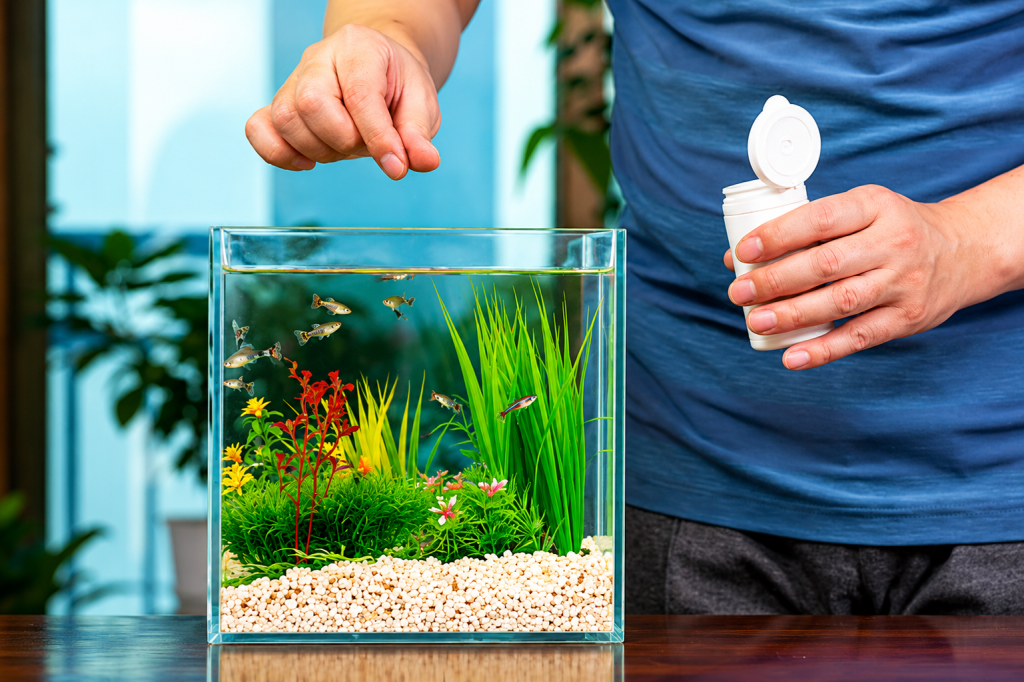
Consistency is an important part of maintaining healthy aquarium fish. Overfeeding can lead to water quality issues, while underfeeding may result in poor growth and weakened immunity.
A structured feeding plan helps maintain stable aquarium conditions and supports fish wellbeing.
Practical Feeding Guidelines for Daily Care
Most catfish benefit from one or two feedings per day depending on species, age, and activity level. Food should generally be consumed within a few minutes. Monitoring appetite, growth, and behaviour provides useful insight into dietary effectiveness. Adjustments should be made gradually to avoid unnecessary stress and maintain water quality.
Home of Cichlids as an Educational Resource
Responsible fish care involves understanding nutrition, species compatibility, and aquarium management. Home of Cichlids provides valuable information for both beginners and experienced hobbyists seeking guidance on freshwater fish care.
Whether researching catfish food, learning about south american cichlids, or exploring aquarium nutrition options, fish keepers can access practical information through the Home of Cichlids website.
Conclusion
Selecting the best catfish food requires an understanding of species-specific dietary needs, feeding behaviours, and nutritional requirements. A balanced diet consisting of quality ingredients supports healthy growth, improved immunity, and long-term wellbeing. Whether feeding catfish in species-only aquariums or alongside south american cichlids, providing appropriate nutrition remains a critical aspect of responsible fish keeping.
For additional guidance on fish care, nutrition, compatibility, and aquarium management, visit the contact us page at Home of Cichlids. The team at Home of Cichlids continues to provide educational resources that help aquarium enthusiasts make informed decisions for their aquatic environments.
Explore the quality fish food, aquarium supplies, and expert care resources available at Home of Cichlids. For personalised advice contact us and connect with our team today.
Frequently Asked Questions
The best catfish food depends on the species being kept. Most catfish benefit from sinking pellets, wafers, and a balanced combination of plant and protein-based ingredients.
Most aquarium catfish should be fed once or twice daily. Feeding frequency may vary based on species, age, and activity level.
Some community fish foods can be suitable, but catfish often require sinking foods specifically designed for bottom-feeding behaviour and nutritional needs.
Absolute colour fish food can be included as part of a varied feeding routine when appropriate for the species. It may help support colour enhancement alongside balanced nutrition.
Many catfish species can successfully coexist with south american cichlids when tank size, compatibility, water conditions, and feeding requirements are properly managed.