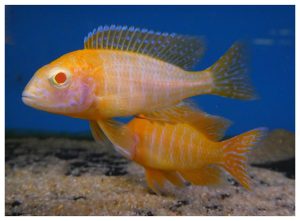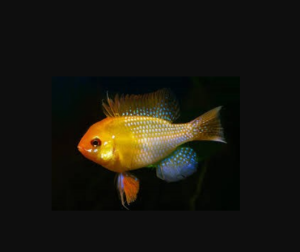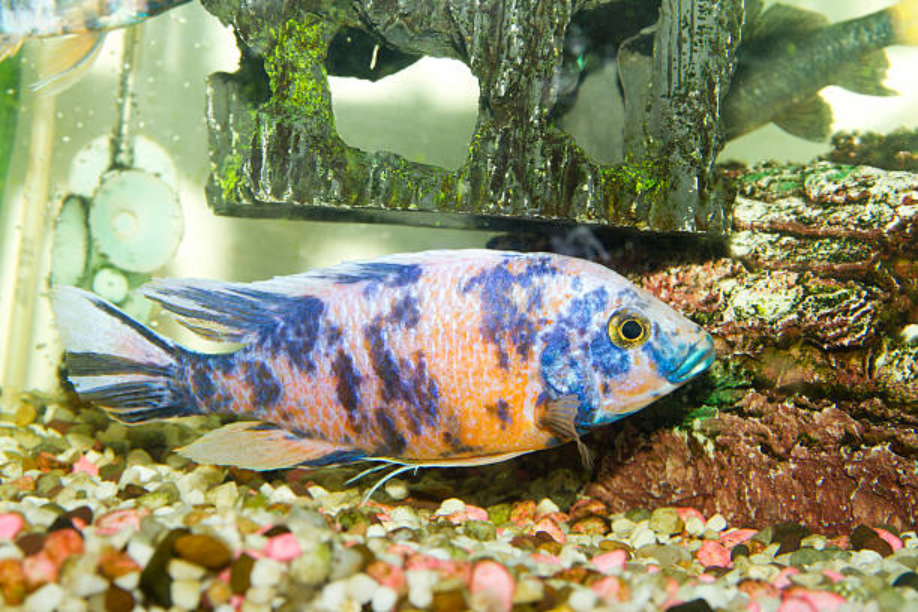
Cichlids are admired for their vibrant colors, intelligence, and fascinating behavior. However, even with their natural resilience, these fish are susceptible to health issues if their environment is not properly maintained. Understanding symptoms, environmental triggers, and appropriate treatments is essential for keeping your cichlids healthy. At Home of Cichlids, maintaining proper fish care standards is a priority, and aquarium keepers can benefit from learning how to prevent and address health concerns before they escalate.
This blog explains the most frequent diseases affecting cichlids, along with symptoms, causes, and effective treatment strategies. Whether you own African, American, or dwarf cichlid species, recognizing health problems early can greatly improve recovery outcomes.
In the third paragraph, we explore common cichlid diseases in detail. These conditions affect cichlids in both beginner and advanced aquariums. Knowing how they present and what triggers them helps aquarists take proactive steps to maintain stable, healthy tanks. This knowledge is particularly important when introducing new fish, searching for the best cichlids online, or managing species with specific environmental needs.
Browse Cichlid Health & Treatment Products
Why Cichlids Get Sick
Cichlids can become sick for several reasons, and most issues stem from stress and environmental imbalances. Even though they are hardy fish, their sensitivity to water conditions makes them vulnerable to rapid changes. When shifts in temperature, pH, or nitrate levels occur, the immune system weakens, allowing parasites or bacteria to thrive. Many diseases that affect cichlids are linked to long-term water quality problems rather than sudden infections.
Poor water conditions are a leading cause of illness in cichlid fish. Elevated ammonia levels irritate the gills, making it difficult for fish to breathe and increasing susceptibility to infections like fin rot or cloudy eyes. When nitrites rise, oxygen absorption becomes compromised, resulting in heavy breathing or lethargy. Tanks with insufficient filtration often accumulate waste quickly, allowing harmful bacteria to multiply and further stressed cichlid fish.
Social stress is another significant factor. Many cichlids are territorial and require adequate space to establish boundaries. Overcrowding can escalate aggression, leading to fights, injuries, and increased bacterial infections. Even peaceful species may become stressed by excessive competition for food or lack of hiding spaces. In addition, sudden changes in lighting, loud noises, or vibrations can cause fish to retreat and stop feeding.
Major Cichlid Diseases and Their Treatments
Below are the primary diseases that cichlids commonly experience, along with detailed symptoms, causes, and treatment techniques.
Ich (White Spot Disease)
Ich, caused by the parasite Ichthyophthirius multifiliis, is one of the most widespread fish diseases. The parasite attaches to the fish’s body, forming distinct white specks resembling salt grains. Although mild at first, ich spreads rapidly across tanks if not treated promptly.
Symptoms of Ich
- White spots covering the body and fins
- Flashing or rubbing against décor
- Increased mucus production
- Rapid breathing or staying near the surface
- Lethargy and loss of appetite
Causes
- Introduction of infected fish
- Sudden temperature drops
- Stress from overcrowding or aggression
- Contaminated plants or equipment
Treatment
- Increase tank temperature to 28°C
- Use an aquarium-safe ich medication
- Add aquarium salt (if species-appropriate)
- Perform repeated water changes
- Treat the entire tank
Fin Rot
Fin rot is a bacterial disorder caused by poor water quality, fin injuries, or stress. It affects fin edges first, causing them to become frayed, discolored, or ragged.
Signs of Fin Rot
- Ragged fin edges
- Pale or red discoloration
- Reduced activity
- Stunted growth in young fish
Causes
- High ammonia/nitrite levels
- Fin nipping
- Overcrowding stress
- Poor-quality diet
Treatment
- Immediate water changes
- Antibacterial treatment
- Remove aggressive tank mates
- Provide vitamin-rich foods
Cloudy Eyes
Cloudy eyes indicate underlying issues such as infection, injury, nutrient deficiency, or poor water quality.
Symptoms
- Milky or hazy eye appearance
- Difficulty navigating
- Reduced feeding response
- Eye swelling
Causes
- Elevated ammonia
- Bacterial infection
- Injury
- Vitamin deficiency
Treatment
- Correct water parameters
- Use antibacterial medication
- Improve diet
- Remove sharp décor
Bloat (Malawi Bloat)
Common in African cichlids, this condition escalates quickly.
Signs
- Swollen abdomen
- Stringy white feces
- Darkened coloration
- Refusal to eat
- Hovering at bottom
Causes
- High-protein diet
- Internal parasites
- Poor water quality
- Bacterial infections
Treatment
- Metronidazole-based medication
- Epsom salt baths
- Fasting for 24–48 hours
- Balanced diet
Swim Bladder Disorder
Swim bladder disease affects buoyancy.
Symptoms
- Floating at surface
- Sinking uncontrollably
- Swimming sideways or upside-down
- Difficulty balancing
Causes
- Overfeeding
- Air swallowing
- Constipation
- Internal infection
Treatment
- Fast for 48 hours
- Feed deshelled peas
- Use antibacterial treatments if infection exists
- Improve feeding habits
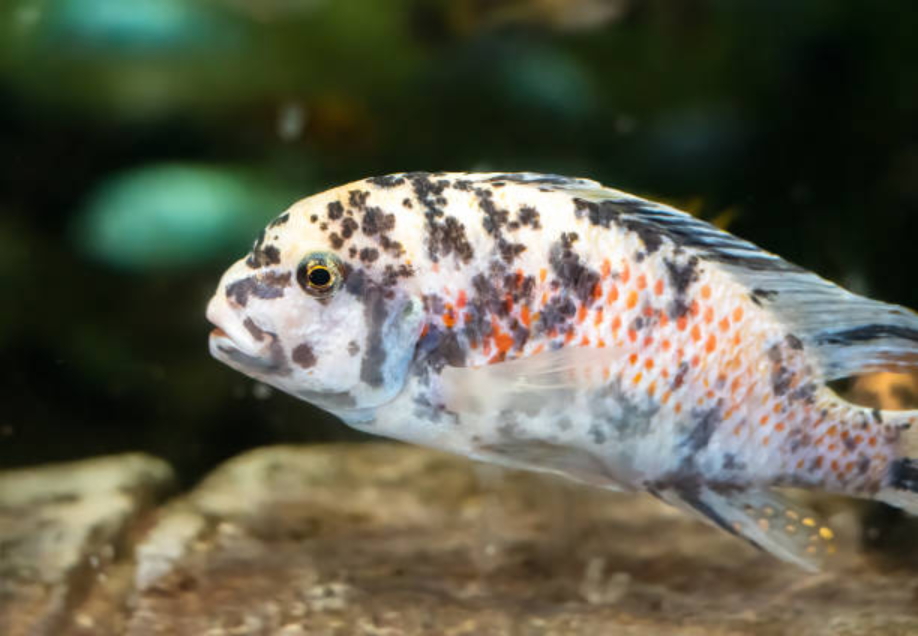
Overview Table of Common Cichlid Diseases
Disease | Main Symptoms | Primary Cause | Effective Treatment |
Ich | White spots, flashing | Parasite | Heat, salt, ich medication |
Fin Rot | Ragged fins, discoloration | Bacteria | Water changes, antibacterials |
Cloudy Eyes | Hazy eyes | Infection, water issues | Clean water, antibacterials |
Bloat | Swollen belly | Parasites, diet | Metronidazole, salt baths |
Swim Bladder | Buoyancy issues | Diet, infection | Fasting, peas, meds |
Sick Fish Signs You Should Never Ignore
Recognizing early signs prevents severe disease outbreaks.
Common Red Flags
- Loss of appetite
- Isolation
- Erratic swimming
- Rubbing against objects
- Heavy breathing
Environmental Conditions That Increase Disease Risks
Water Quality Problems
- High Ammonia Levels: Burns gill tissue
- Nitrite Spikes: Reduce oxygen absorption
- Poor Filtration: Allows bacteria to thrive
Diet-Related Issues
- Overfeeding
- Low-quality foods
Tank Stress Factors
- Aggressive tank mates
- Overcrowding
A Complete Cichlid Health Guide for Prevention
Maintaining long-term health in your cichlid aquarium requires consistent care, attention to environmental stability, and proactive disease prevention. Here’s a detailed cichlid health guide to help keep your fish in top condition:
Quarantine New Fish
Always quarantine new arrivals in a separate tank for at least 2–4 weeks. This prevents hidden parasites, bacterial infections, or other diseases from entering your main aquarium. Monitor behavior, appetite, and any physical signs during this period. Quarantine also allows for targeted treatment if needed without risking your existing fish.
Maintain Stable Parameters
Cichlids are sensitive to sudden changes in water temperature, pH, hardness, or salinity. Use a reliable heater, thermometer, and water testing kit to ensure stability. Sudden fluctuations weaken their immune system, making them more susceptible to infections and stress-related diseases.
Use High-Quality Food
Provide species-appropriate diets to support growth, immunity, and overall vitality. Herbivorous cichlids benefit from plant-based foods like spirulina flakes or blanched vegetables, while omnivorous species need a combination of protein-rich and vegetable-based foods. Rotate food types of weekly to prevent nutritional deficiencies.
Clean the Tank Regularly
Perform weekly water changes of 20–30% to remove toxins, uneaten food, and debris. Vacuum the substrate, clean filters, and remove algae as necessary. Regular maintenance prevents the buildup of harmful bacteria and ensures consistent water quality, which is crucial for disease prevention.
Choose Reliable Sources
When selecting best cichlids online, always buy from reputable suppliers like Home of Cichlids, where fish are raised in optimal conditions and monitored for health. Healthy stock reduces the risk of introducing diseases and increases the success rate of acclimatization in your tank.
Step-by-Step Disease Treatment Plan
Step 1: Isolate the Fish
Use a dedicated hospital tank to prevent the disease from spreading. A 10–20 gallon tank works well for most cichlids. Ensure it contains a heater, sponge filter, and aeration. Isolation also allows you to medicate without affecting the main tank’s ecosystem.
Step 2: Diagnose Symptoms
Observe the fish’s behavior, appearance, and eating habits. Look for common signs such as white spots, frayed fins, bloating, rapid breathing, flashing, or unusual swimming. Accurate diagnosis helps you choose the correct treatment instead of guessing.
Step 3: Test Water Parameters
Check ammonia, nitrite, nitrate, pH, and temperature using reliable test kits. Poor water quality is a leading cause of disease in cichlids. Record the results so you can track changes over time and identify potential environmental triggers.
Step 4: Perform a Water Change
A 30–40% water change helps reduce toxins, stabilize conditions, and quickly decrease stress levels. Use dechlorinated, temperature-matched water to avoid shock. Clean the substrate and remove uneaten food to minimize bacterial buildup.
Step 5: Start Medication
Follow dosage instructions carefully based on the specific disease. Use appropriate treatments like antiparasitics, antifungals, antibiotics, or salt baths depending on the diagnosis. Avoid mixing multiple medications unless recommended, as this may harm the fish.
Step 6: Improve Diet and Reduce Stress
Provide high-quality, nutrient-rich foods such as pellets, spirulina, frozen brine shrimp, or vitamin-enhanced options. Reduce tank stress by dimming lights, lowering aggression (via dividers), and ensuring stable water conditions. A strong immune system speeds up healing.
Step 7: Monitor Daily
Check the fish’s progress every day. Watch for behavioral changes, reduction in symptoms, or any negative reaction to treatment. Test water regularly and adjust the treatment plan if necessary. Continue observation for at least one week after symptoms disappear to ensure full recovery.
Shop Healthy Cichlids at Home of Cichlids
Conclusion
Understanding the most common cichlid diseases allows you to act quickly, prevent outbreaks, and maintain a stable aquarium environment. By identifying symptoms such as ich, fin rot, cloudy eyes, and behavioral changes early, you can apply effective treatment and improve overall fish health. Reliable sources such as Home of Cichlids offer valuable guidance and healthy stock for aquarists who want to build thriving aquatic communities.
If you need additional information, guidance, or support for your aquarium, feel free to contact us and our team will be happy to help with any questions about cichlid care, tank setup, or fish health.
FAQs
Stress, poor water quality, parasites, and nutritional issues are the main causes. Stable conditions significantly reduce disease risk.
Look for sick fish signs such as appetite loss, hiding, rapid breathing, white spots, or damaged fins.
Yes. Many diseases such as ich and bacterial infections spread quickly without early treatment.
With consistent treatment, ich typically resolves within 5–10 days.
Yes. Carbon absorbs medication and reduces its effectiveness.