Description
Lethrinops sp. Mbasi (Rainbow Cichlid) Care Guide
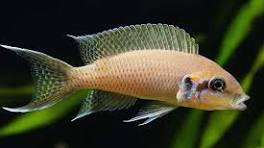
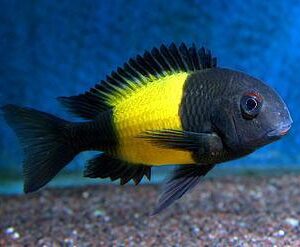
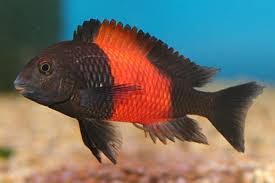
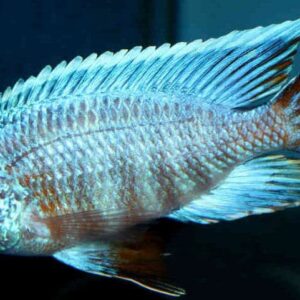
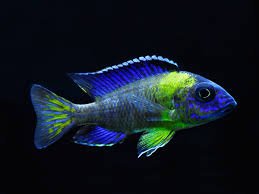
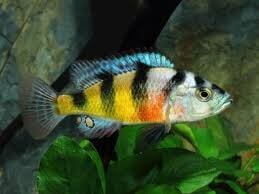
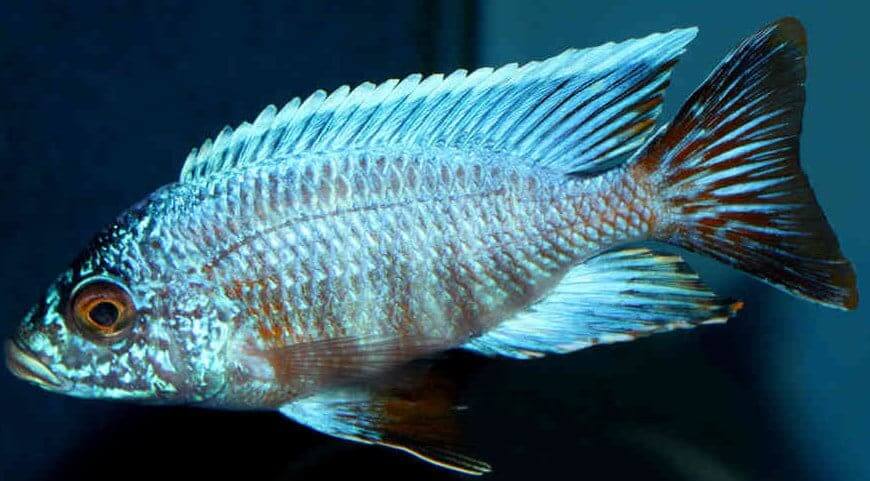
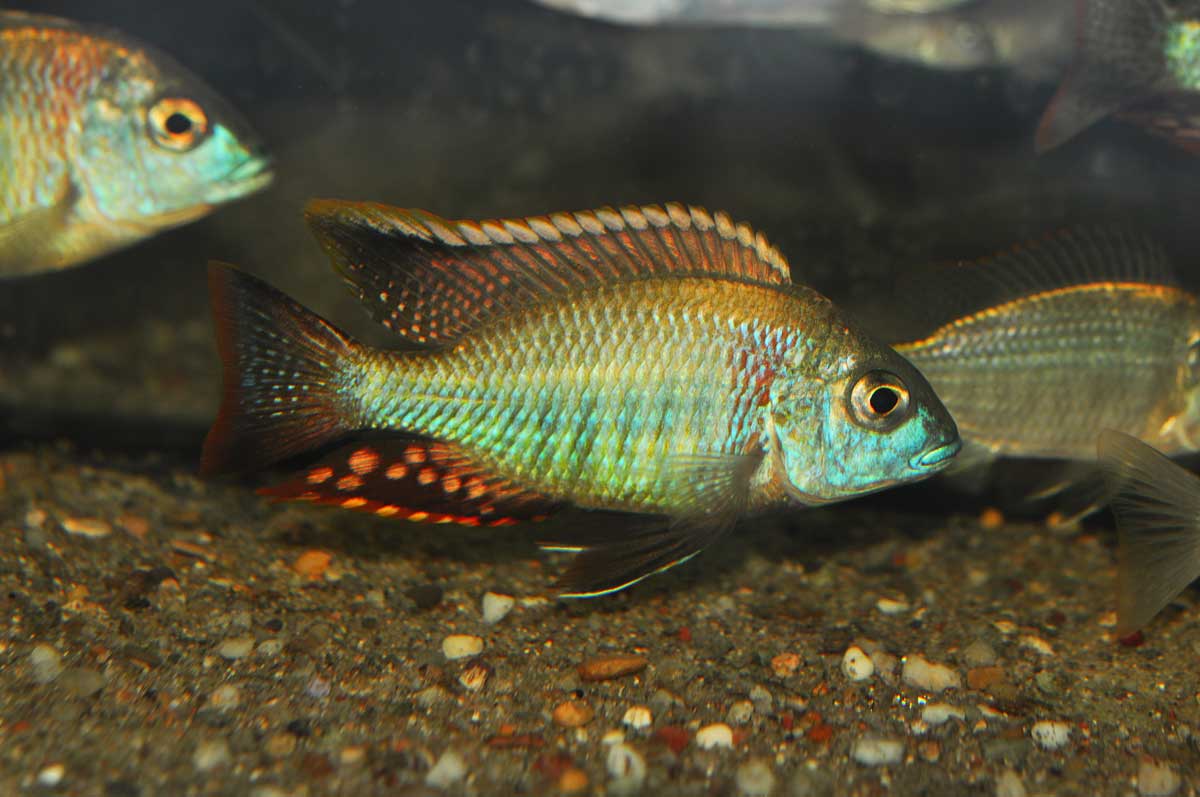
The Lethrinops sp. Mbasi, commonly known as the Rainbow Cichlid, is a captivating freshwater fish that has become a favorite among aquarists due to its stunning coloration and engaging behavior. Originating from the beautiful waters of Lake Malawi in Africa, this species is not only a visual delight but also relatively easy to care for, making it an excellent choice for both novice and experienced fish keepers. This article will explore the origin, dietary needs, and suitable tank mates for the Rainbow Cichlid.
Origin
The Rainbow Cichlid is native to the rocky habitats of Lake Malawi, where it inhabits shallow waters rich in vegetation and rocky formations. This remarkable lake is renowned for its biodiversity, particularly its various cichlid species. Lethrinops sp. Mbasi can often be found in areas with plenty of hiding spots and territories, crucial for their social interactions and breeding behaviors. In their natural environment, these cichlids display vibrant colors and stunning patterns, making them a desirable choice for aquarium enthusiasts.
Diet
Lethrinops sp. Mbasi are primarily omnivorous, and their diet in captivity should reflect their natural feeding habits. To maintain optimal health and color vibrancy, a balanced diet should include:
- High-quality cichlid pellets or flakes, specifically formulated for herbivorous cichlids
- Frozen or live foods such as brine shrimp, daphnia, and bloodworms to provide protein
- Vegetables and spirulina, which can be blanched or offered as a supplement to mimic their natural foraging habits
Feeding them a varied diet two to three times a day in appropriate portions is essential to promote healthy growth and vibrant colors.
Tank Mates
When considering tank mates for Lethrinops sp. Mbasi, it is vital to choose other species that share similar water parameters and peaceful temperaments. Ideal companions for the Rainbow Cichlid include:
- Other Malawian cichlids, such as Pseudotropheus or Labidochromis species, that can coexist peacefully
- Smaller, peaceful fish like danios or tetras, provided they can tolerate similar water conditions
- Synodontis catfish, which can help keep the tank clean while being non-aggressive
It is crucial to avoid overly aggressive species or fish that nip fins, as the Rainbow Cichlid is generally non-aggressive and may feel stressed in hostile environments. Providing plenty of rocks, caves, and plants will help create a conducive environment for both hiding and social interaction.
Conclusion
Lethrinops sp. Mbasi, the Rainbow Cichlid, is a dazzling addition to any freshwater aquarium. With its stunning colors and relatively easy care requirements, it appeals to a wide range of aquarists. By understanding their origin, providing a balanced diet, and selecting compatible tank mates, you can create a thriving and vibrant community aquarium that showcases the beauty of this remarkable species. Whether you are an experienced aquarist or just starting out, the Rainbow Cichlid offers a rewarding and enriching experience in the world of fishkeeping.