Description
General Information:
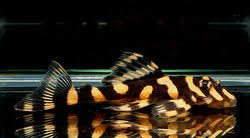
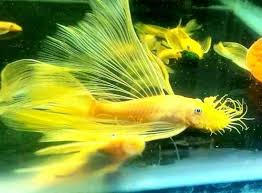
The L144 “Blue-Eyed Long-Fin” Pleco is a striking aquarium catfish prized for its elegant, elongated dorsal and caudal fins and its vivid, azure-blue eyes. A member of the Loricariidae family, this bristlenose-type pleco combines the hardiness of common plecos with a unique aesthetic, making it a standout addition to planted and driftwood-rich aquaria. Its gentle, algae-grazing behavior also provides functional tank maintenance.
Species Overview:
-
Common Name: Blue-Eyed Long-Fin Pleco (L144)
-
Scientific Name: Ancistrus sp. “Long-Fin L144”
-
Origin: South America (Orinoco drainage, captive-bred strains)
-
Diet: Omnivorous (algae, biofilm, supplemented with veggies and protein wafers)
-
pH Range: 6.5–7.5
-
Temperature: 22–28 °C (72–82 °F)
-
Max Size: 12–15 cm (5–6 inches)
-
Tank Size: Minimum 75 L (20 gallons)
Water Quality:
Blue-Eyed Long-Fin Plecos thrive in well-oxygenated, moderate-flow water with stable parameters. Maintain a pH between 6.5 and 7.5 and temperatures from 22–28 °C. Robust filtration and regular water changes (20–30% weekly) are important to manage their waste and keep water pristine.
Feeding:
While these plecos will graze on algae and biofilm, their diet should be supplemented with sinking wafers, blanched vegetables (zucchini, cucumber, spinach), and occasional protein treats like bloodworms or shrimp pellets. Offer a balanced variety 4–5 times per week, ensuring any uneaten food is removed promptly to prevent water fouling.
Tank Mates:
Due to their peaceful and nocturnal nature, L144 Plecos are compatible with most community fish—tetras, rasboras, gouramis, and non-aggressive cichlids. Avoid overly boisterous or large predatory species that might stress or intimidate them. Provide plenty of hiding spots—driftwood, caves, and PVC tubes—to give them refuge during the day.
Sexing:
Sexual dimorphism is subtle: mature males often develop small fleshy tentacles (odontodes) along the pectoral fin edges and cheeks, while females exhibit smoother heads and fewer odontodes. Males may also display slightly longer fin extensions.
Breeding:
L144 Plecos are cavity spawners. Provide a snug, enclosed shelter—hollow bamboo, ceramic caves, or drilled wood—in which the female lays eggs. The male guards and fans the clutch for 7–10 days until the fry emerge. Once free-swimming, fry can be fed finely crushed wafers and biofilm-rich surfaces.
Maximum Size and Longevity:
These plecos grow to about 12–15 cm and can live 8–10 years under proper care. Their lifespan is extended by consistent water quality, a varied diet, and secure resting spots.
Fun Fact:
The L144’s vivid blue eyes are not just striking—they’re caused by specialized iridophore cells that reflect light, making them appear to glow under strong aquarium lighting. Its unusually long fins, compared to most bristlenose plecos, give it an elegant, almost ribbon-like appearance as it glides along glass and driftwood.