Description
Ctenochromis horei—Exotic Tanganyika cichlid now available for your aquarium!
🌍 Origin & Natural Habitat
-
Ctenochromis horei hails from Lake Tanganyika in Africa—found along the coasts and in the lake’s tributary rivers, including the Lukuga, Ruzizi, Nua, and others.
-
In the wild they inhabit shallow shores and delta-type environments, often over sandy or soft substrate, sometimes with aquatic grasses or rocky patches.
🐟 Appearance & Behavior
-
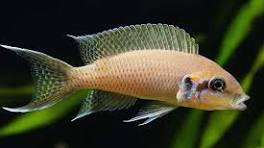
Adult C. horei typically reach around 5–7 inches (12–18 cm)—males may get larger.
-
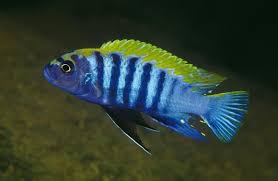
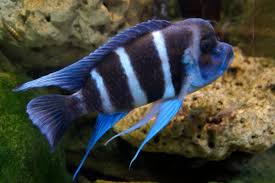
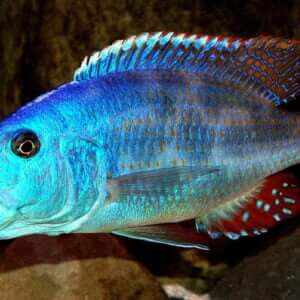
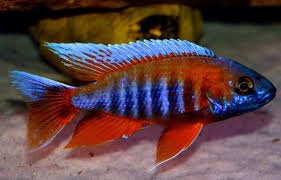
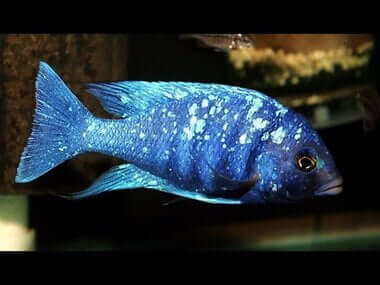
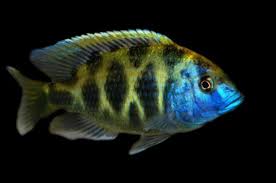
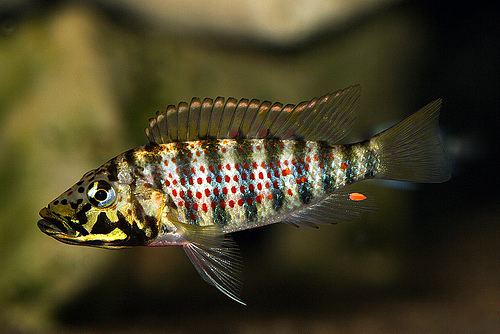
Males often display vibrant, contrasting colors and might show distinctive markings (like a coloured spot on the anal fin)—especially when courting females.
-
They are mouthbrooding cichlids: females carry eggs (and later fry) in their mouths for protection—fascinating behavior for any aquarist.
🍽️ Diet & Water Requirements
-
Diet: Omnivorous—in the wild they feed on a mix of invertebrates, small fish, and plant material.
-
Water preferences: Warm tropical freshwater. Typical aquarium settings reflect conditions in Lake Tanganyika:
-
Temperatur – 24–28 °C
-
Prefer alkaline to neutral-alkaline pH (lake-style water) and moderately hard water.
-
-
Substrate & decor: Sand or fine substrate and rock structures or caves mimic their natural habitat and give them hiding spaces and territory boundaries.
🤝 Tank Mates & Social Setup
-
Because C. horei is a predatory—and potentially territorial—cichlid, small fish, crustaceans, or invertebrates are not suitable tank mates (they may become prey).
-
If kept with others, tank mates should be similarly sized and robust and able to handle similar water parameters (alkaline, hard water). Typical cohabitants are other large or mid-sized African cichlids suited for Lake Tanganyika-type water.
-
Socially: Males are strongly territorial and typically should not be kept together. The usual recommendation is one male with multiple females (ideally 1 male : 3+ females) to reduce male-to-male aggression.
✅ Why Keep Ctenochromis horei in Your Aquarium?
-
Striking Appearance & Colouration: Males offer vivid colour and elegant form—a beautiful centerpiece for a Lake Tanganyika biotope tank.
-
Fascinating Behaviour: Mouthbrooding and the social dynamics of the species bring exciting behavioral observations—from courtship to parental care.
-
Unique Biotope Appeal: As natives of Lake Tanganyika, they lend authenticity to African cichlid-themed aquariums.
-
Robust & Adaptable (with the right setup): With proper tank size, water conditions, and tank mates, they can thrive and become an impressive, long-term addition to your collection.
📝 Sample Shop Description (for your online fish shop)
Ctenochromis horei – Lake Tanganyika Mouthbrooding Cichlid
Dive into the wild beauty of Africa’s Rift-lake region with Ctenochromis horei! Native to Lake Tanganyika and its feeder rivers, these cichlids bring a slice of African freshwater biotope straight to your home aquarium. Adults reach (12–18 cm — with striking colours and a graceful presence, males often show vivid markings during courtship.In nature, C. horei thrives over sandy or soft bottoms edged with rocks or grass — and in captivity they appreciate the same: a sand-based substrate, rock structures or caves, and clean, warm (24–28 °C), alkaline to moderately hard water. Offer them a varied omnivorous diet — from quality pellets to frozen invertebrates and occasional meaty treats — to mimic their natural feeding habits.
They are mouthbrooders: females carefully carry and hatch eggs inside their mouths — a fascinating behaviour to observe. For social harmony, we recommend keeping one male with multiple females (e.g. 1 M : 3–5 F) and avoid mixing males to prevent aggression. If you choose tank mates, opt for other robust African cichlids that match size and water-parameter needs.
With their bold looks, interesting behaviour, and biotope realism, Ctenochromis horei is a show-stopping centerpiece for any experienced aquarist looking to build a truly authentic Tanganyika setup. Order now and bring a piece of Africa’s legendary lake into your aquarium!