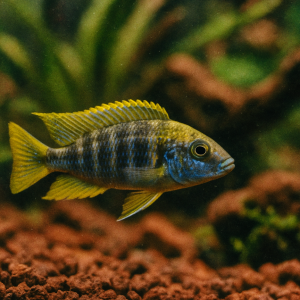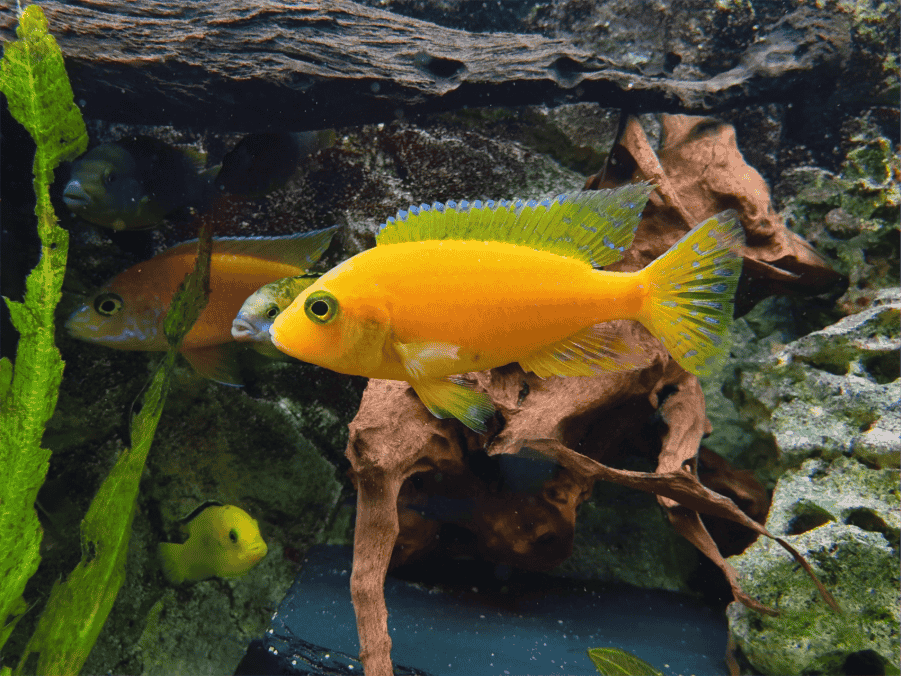
African cichlids are among the most vibrant and active freshwater fish kept by aquarists worldwide. Known for their bold personalities and stunning colours, these fish originate from Africa’s Great Lakes—most famously Lake Malawi, Lake Tanganyika and Lake Victoria. Each of these lakes provides a unique environment with stable water chemistry, rocky structures and vast open swimming spaces.
For enthusiasts wanting to keep these fascinating fish, the main challenge lies in designing a tank that replicates their natural habitat. From choosing the right water chemistry to deciding on compatible tank mates, aquascaping, and filtration, every element plays a crucial role in ensuring healthy and thriving cichlids. This guide explores the best tank for African cichlids, covering all the essentials to help you set up a tank that mirrors their natural homes.
If you’re considering adding African cichlids to your aquarium, you can explore a wide range of species from this specialist fish shop.
Understanding African Cichlids’ Natural Habitat
African cichlids come from some of the most stable freshwater ecosystems on Earth. The Great Lakes provide constant pH levels, warm water temperatures, and an abundance of rocky shelters. These features create a competitive yet balanced ecosystem where cichlids thrive.
When setting up an aquarium, your goal should be to recreate these conditions as closely as possible. Unlike many freshwater fish, African cichlids are highly sensitive to changes in water chemistry. Providing them with a consistent environment will not only keep them healthy but also encourage natural behaviours such as breeding, territory establishment, and colour display.
Tank Size: The Foundation of the Setup
The size of your aquarium is one of the most critical decisions you will make. African cichlids are territorial, active swimmers that require plenty of room. A small tank often leads to aggression, stress and health issues.
- Minimum size: 200 litres for beginners keeping a modest group.
- Ideal size: 300–400 litres or larger for a balanced community.
Larger tanks provide more space for territories and reduce aggression by allowing fish to establish clear boundaries. They also make it easier to maintain stable water parameters, which is vital for sensitive species.
Water Chemistry: Getting the pH Levels Right
Water chemistry is at the heart of successful cichlid keeping. African cichlids prefer alkaline water, which mirrors the conditions of the Great Lakes.
- pH levels: 7.8–8.6
- Hardness: Moderately hard to hard water (10–20 dGH)
- Temperature: 24–27°C
To maintain stable pH levels, many aquarists use substrates such as crushed coral or aragonite sand. These materials naturally buffer the water, keeping it alkaline over time. Regular testing is essential to ensure consistency, as fluctuations can stress your fish.
Filtration for Cichlids: Keeping the Water Clean
African cichlids produce more waste compared to many other aquarium fish, making a strong filtration system essential. Clean water not only prevents disease but also supports stable pH levels.
- Type of filtration: Canister filters and hang-on-back filters are excellent for larger tanks.
- Biological media: Ensure your filter has plenty of bio-media for beneficial bacteria.
- Flow rate: A filter rated at least 5–6 times the tank volume per hour is ideal.
Aquarists often combine mechanical, biological and chemical filtration for the best results. Routine water changes of 20–30% per week further help to maintain clarity and water quality.
For additional insights on care and resources, the Home of Cichlids provides guidance specific to different cichlid types.
Aquascaping: Designing a Natural Environment
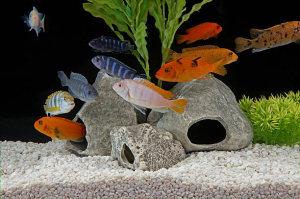
Aquascaping for cichlids should replicate the rocky environments of their natural lakes. These structures not only enhance the tank’s aesthetic appeal but also provide hiding spots and territories for fish.
Key elements of aquascaping for cichlids:
- Rock formations: Use large, stable rocks stacked to form caves and tunnels.
- Sand substrate: Fine sand allows for natural digging behaviour.
- Minimal plants: Most cichlids uproot plants, so artificial plants or hardy species like Anubias may be used.
- Open swimming space: Leave plenty of free water for active swimming.
By carefully arranging rocks, you reduce aggression by giving each fish a chance to claim its own space. Strong aquascaping design also creates visual barriers that make the tank look more natural and reduce stress.
Tank Mates: Choosing Compatible Species
African cichlids are notoriously territorial, making the choice of tank mates particularly important. While some species can coexist peacefully, others are highly aggressive and best kept in species-only tanks.
Suitable tank mates include:
- Other African cichlids of similar size and temperament.
- Synodontis catfish, which occupy different tank levels.
- Certain hardy algae eaters.
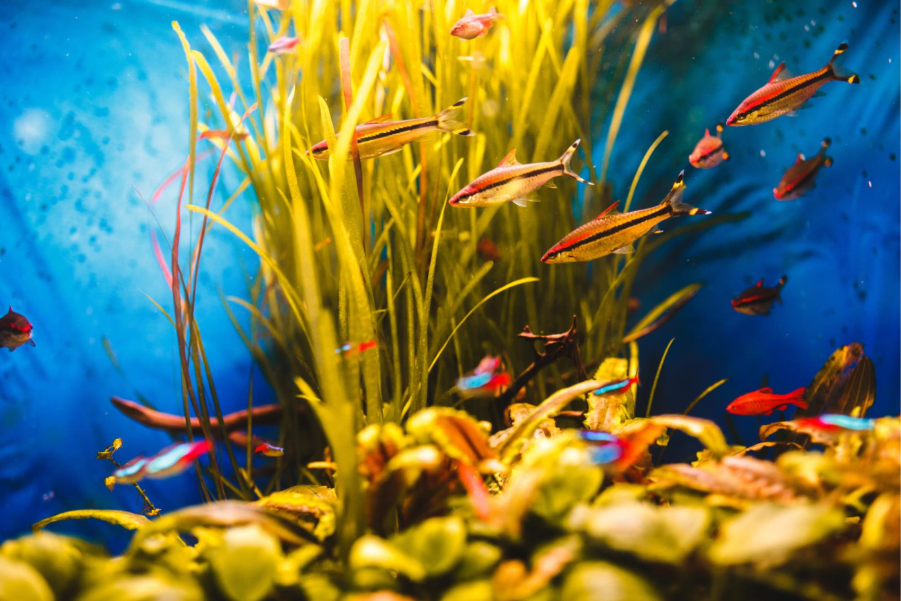
Avoid housing them with delicate species such as tetras, guppies or angelfish, as they will not withstand the aggression and water requirements of cichlids.
Stocking should follow the principle of overstocking keeping more fish than usual to spread aggression across the group. However, this requires stronger filtration and diligent maintenance.
Lighting and Temperature Control
Lighting for cichlids is not as demanding as for planted tanks. A standard LED system works well, bringing out the vibrant colours of the fish. Aim for around 8–10 hours of light daily.
Temperature should be maintained between 24–27°C. A reliable aquarium heater with a built-in thermostat ensures stability. Backup heaters or dual-heater setups are often recommended for larger tanks to avoid sudden drops.
Feeding African Cichlids
Diet is another factor in ensuring long-term health. African cichlids have varied dietary needs depending on their species.
- Herbivores (Mbuna): Require vegetable-based foods such as spirulina flakes.
- Omnivores: Benefit from a mix of protein and plant matter.
- Carnivores: Feed on higher-protein options like frozen shrimp.
Overfeeding can lead to bloating, a common health issue in cichlids. Feeding small amounts two to three times daily is preferable.
Maintenance Routine for a Healthy Tank
Consistency is key when caring for African cichlids. Establishing a routine ensures stability and reduces stress for the fish.
Weekly tasks:
- Test water parameters (pH, ammonia, nitrite, nitrate).
- Change 20–30% of the water.
- Vacuum the substrate lightly to remove waste.
Monthly tasks:
- Clean filter media (in tank water, not tap water, to preserve bacteria).
- Inspect heaters, lighting, and pumps.
By sticking to this schedule, your aquarium will remain stable, providing your fish with a thriving environment.
Breeding Considerations
Many African cichlids are mouthbrooders, meaning the female carries fertilised eggs and fry in her mouth until they are ready to swim independently. Providing rocky hiding places increases the chances of survival for young fish.
If breeding is a goal, set up a separate tank for fry to protect them from being eaten by adult fish.
Common Mistakes to Avoid
- Using tanks that are too small – this encourages aggression.
- Mixing incompatible species – leads to stress and fighting.
- Ignoring water chemistry – fluctuations harm sensitive cichlids.
- Overfeeding – causes health issues such as bloating.
- Poor filtration – results in ammonia spikes and unstable pH.
Conclusion
Creating the best tank for African cichlids is about more than choosing an aquarium and adding fish. It requires careful attention to tank size, pH levels, aquascaping, filtration and compatible tank mates. By recreating the rocky, alkaline environments of Africa’s Great Lakes, you provide a home where cichlids not only survive but thrive.
For further advice on setup and species selection, don’t hesitate to contact cichlid specialists who can guide you through the process. With the right preparation, your aquarium will showcase the beauty and dynamic behaviour of these remarkable fish.
FAQs
A minimum of 200 litres is recommended, though larger tanks of 300 litres or more are ideal for reducing aggression and providing stable water conditions.
Maintain pH between 7.8 and 8.6 to replicate their natural lake environments.
Yes, but only with species that tolerate their aggressive behaviour and water chemistry, such as other cichlids and certain catfish.
Plants are not essential and often get uprooted. Rocks and caves are more important for providing hiding spots and territories.
Perform weekly water changes of 20–30% to maintain water quality and stability.