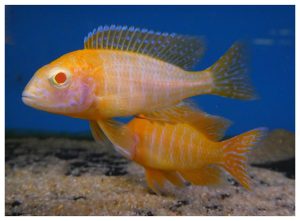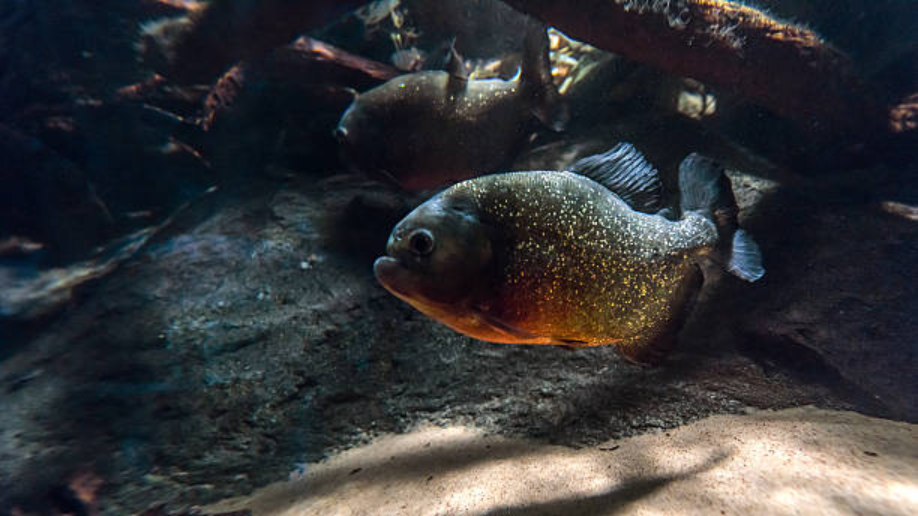
South American cichlids have become some of the most recognizable and widely kept freshwater fish in Australian home aquariums. Their vivid coloration, distinctive personalities, and fascinating behaviors make them stand out from most other tropical species. Whether a hobbyist is setting up their first cichlid tank or expanding an established collection, these fish offer a level of engagement that is difficult to match.
At Home of Cichlids, aquarists across Australia have access to a curated range of healthy, ethically sourced south American cichlids to suit both beginner and experienced keepers. This article covers the most popular species found in Australian aquariums, what makes each one suitable for different setups, and what keepers need to know about feeding, tank conditions, and ongoing care.
What Makes South American Cichlids Popular in Australia
The appeal of south American cichlids comes down to several consistent qualities. They are hardy enough for a range of water conditions, intelligent enough to interact with their keepers, and visually striking in ways that make them genuine centerpiece fish.
Unlike many tropical fish that remain passive and schooling, south American cichlids tend to be active, territorial, and aware of their environment. Many species learn to recognize their owners, respond to feeding routines, and develop distinct personalities over time. For hobbyists who want fish that do more than simply swim in formation, this group consistently delivers.
The variety within the category also makes it accessible to aquarists with different tank sizes, experience levels, and preferences. Smaller species like Rams are well suited to compact setups, while larger species like Oscars and Green Terrors require substantial space and more experienced management.
Key Characteristics That Define the Group
The following characteristics apply broadly across popular south American cichlids and explain their continued popularity in Australian aquariums:
- Bold, interactive personalities that differ noticeably from passive community fish
- Striking coloration ranging from metallic blues and greens to deep reds and oranges
- Varied size range, from dwarf species under 8 cm to large species exceeding 30 cm
- Strong parental behaviours including egg guarding and fry protection
- Long lifespans of between 8 and 15 years with appropriate care
- Adaptability to a range of water parameters when maintained consistently
Popular South American Cichlid Species in Australian Aquariums
The species most commonly kept by Australian hobbyists represent a range of sizes, temperaments, and care requirements. Understanding the distinctions between species helps keepers make informed decisions about which fish suit their setup and experience level.
Discus
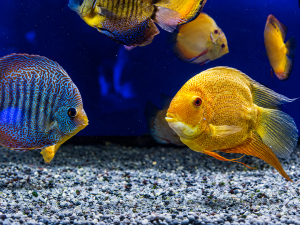
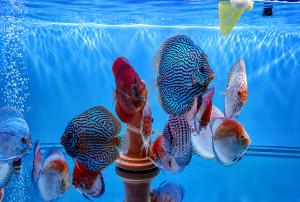
Discus are widely considered one of the most visually impressive freshwater fish available to Australian aquarists. Their round, flattened bodies and rich coloration in combinations of blue, red, green, and patterned variations make them a defining species for anyone serious about south American cichlids.
Discus are sensitive to water quality and require stable, well-maintained conditions. They prefer soft, slightly acidic water and are best suited to experienced keepers who can manage consistent water parameters. When conditions are right, they are peaceful fish that can be kept with other calm species.
Home of Cichlids stocks both assorted Discus and the Pigeon Checkerboard Discus variety, offering Australian hobbyists access to quality specimens with established health protocols.
German Blue Ram and Ram Variants
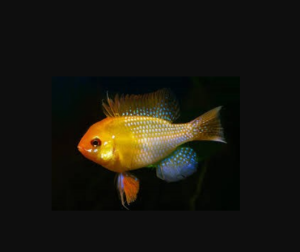
Rams are among the most popular dwarf south American cichlids in Australian aquariums. The German Blue Ram is particularly well known for its vivid neon blue and gold coloration and its manageable size of around 5 to 6 cm. The Gold Ram and Neon Blue Ram variants offer additional color options within the same species group.
For keepers who want the personality of American cichlids in a compact format, Rams are a practical and visually rewarding choice.
Angelfish
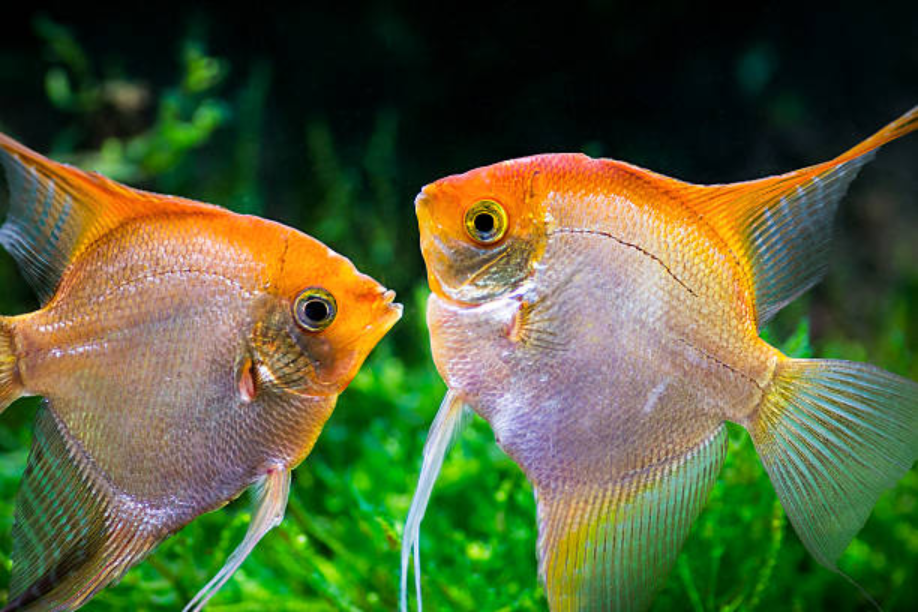
Angelfish are one of the most widely recognized freshwater aquarium fish in the world, and their popularity in Australia reflects their broad appeal across experience levels. Their tall, triangular body shape and flowing fins create a distinctive profile that suits both species-specific and community setups.
Oscar
The Oscar is one of the largest and most charismatic south American cichlids kept in Australian aquariums. Growing to over 30 cm in adulthood, Oscars require substantial tank volume of at least 300 litres and benefit from strong filtration to manage their high bioload.
Green Terror
The Green Terror, known scientifically as Andinoacara rivulatus, is named for both its coloration and its temperament. Metallic green and blue scaling with bright orange fin edges creates a visually dramatic fish that functions well as a centrepiece species in a larger aquarium.
Jack Dempsey
Jack Dempsey is a mid-sized species recognized by its dark body and iridescent blue and green speckles. Growing around 20 to 25 cm, it is confident, territorial, and best suited to species-only tanks or setups with similarly assertive fish.
Bolivian Butterfly
The Bolivian Butterfly, also known as Mikrogeophagus altispinosus, is a dwarf cichlid that offers a peaceful temperament alongside attractive coloration. It is well suited to smaller tanks and community setups, making it accessible to hobbyists with limited space.
Tank Setup and Water Conditions for South American Cichlids
Providing appropriate water conditions is one of the most important factors in keeping south American cichlids successfully. While different species have specific preferences, a general set of principles applies across the group.
Water temperature for most south American cichlids should be maintained between 24 and 28 degrees Celsius. A reliable submersible heater is essential for stable temperature management, particularly during cooler months in Australian climates.
pH should be kept in the range of 6.5 to 7.5 for most species, with Discus and Rams preferring the softer, more acidic end of that range. Strong filtration is important because cichlids generally produce a high bio load relative to their size, and ammonia spikes can cause stress and disease.
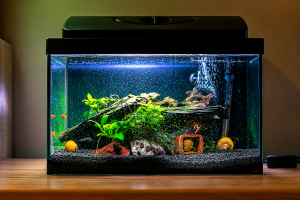
Tank layout should include the following elements:
- Fine sand or smooth gravel substrate to support natural digging behaviour
- Driftwood and rocks to create territories and visual barriers
- Hiding spaces to reduce aggression between tank inhabitants
- Open swimming areas in the mid and upper water column
- Adequate filtration matched to the tank volume and stocking level
Feeding South American Cichlids: What to Use and How Often
Diet plays a significant role in the long-term health, coloration, and behaviors of south American cichlids. The right aquarium food for fish in this group supports immune function, enhances natural color, and provides the protein needed for growth and energy.
Absolute Color Fish Food
The absolute color fish food range available at Home of Cichlids is formulated to enhance the natural coloration of cichlids through targeted nutritional ingredients including color enhancers and natural proteins. Available in 150g and 500g formats, it is suitable for ongoing use as a primary diet supplement for active, color-intensive species like Oscars, Green Terrors, and Discus.
Aquarium Food for Fish with Multiple Species
For tanks that include both cichlids and bottom-dwelling species, selecting the right aquarium food for fish for each layer of the tank is important. Mid-water and surface feeders such as Angelfish and Rams do well with floating or slow-sinking pellets, while bottom feeders require sinking wafers or pellets that reach the substrate.
Fish Food for Catfish in Mixed Setups
Many south American cichlid tanks also include catfish species as tank companions. Providing appropriate fish food for catfish ensures that bottom-dwelling species receive adequate nutrition rather than relying solely on leftover food from surface and mid-water feeders. Sinking pellets and wafers designed for bottom feeders meet this requirement.
General feeding guidelines for south American cichlids are as follows:
- Feed once or twice daily, offering only what fish can consume within one to two minutes
- Remove uneaten food promptly to maintain water quality
- Vary the diet with pellets, frozen foods, and occasional vegetable matter where appropriate
- Use pellet sizes matched to the mouth size of each species to reduce waste
- Avoid feeder fish, which can introduce disease and parasites to the tank
Conclusion
South American cichlids represent one of the most rewarding groups of freshwater fish available to Australian aquarists. From the compact elegance of the German Blue Ram to the commanding presence of the Oscar, this group offers species suited to virtually every tank size and experience level. Understanding each species’ care requirements, temperament, and dietary needs allows keepers to make informed choices and build setups where these fish can thrive over their full lifespan.
Home of Cichlids provides Australian hobbyists with access to a quality range of south American cichlids alongside the food, equipment, and accessories needed to support them long term. For help selecting the right species, understanding compatibility, or finding the appropriate aquarium food for fish in your setup, visit the contact page and connect with the team directly.
Frequently Asked Questions
The most popular species include Discus, German Blue Ram, Angelfish, Oscar, Green Terror, Jack Dempsey, and the Bolivian Butterfly. Each suits different tank sizes and experience levels.
Most species thrive on a varied diet of cichlid pellets, frozen foods, and occasional vegetables. Absolute color fish food and growth formula pellets from Home of Cichlids are well suited to supporting color and condition in these species.
Smaller, peaceful species like Rams, Angelfish, and the Bolivian Butterfly can be kept in community setups with suitable tankmates. Larger or more aggressive species like Oscars and Green Terrors are better suited to species-only or carefully selected setups.
Sinking pellets and wafers designed specifically for bottom feeders ensure catfish receive proper nutrition in mixed setups, rather than competing with cichlids at the surface or mid-water level.
Browse the American cichlids range online, or visit the contact page at Home of Cichlids to ask the team about species availability, compatibility advice, and the right aquarium food for fish in your planned setup.