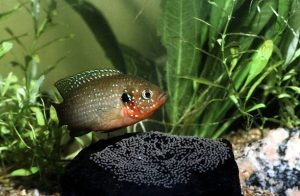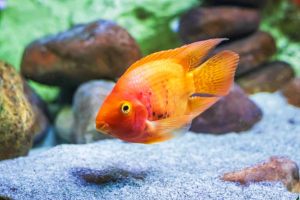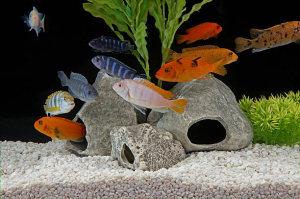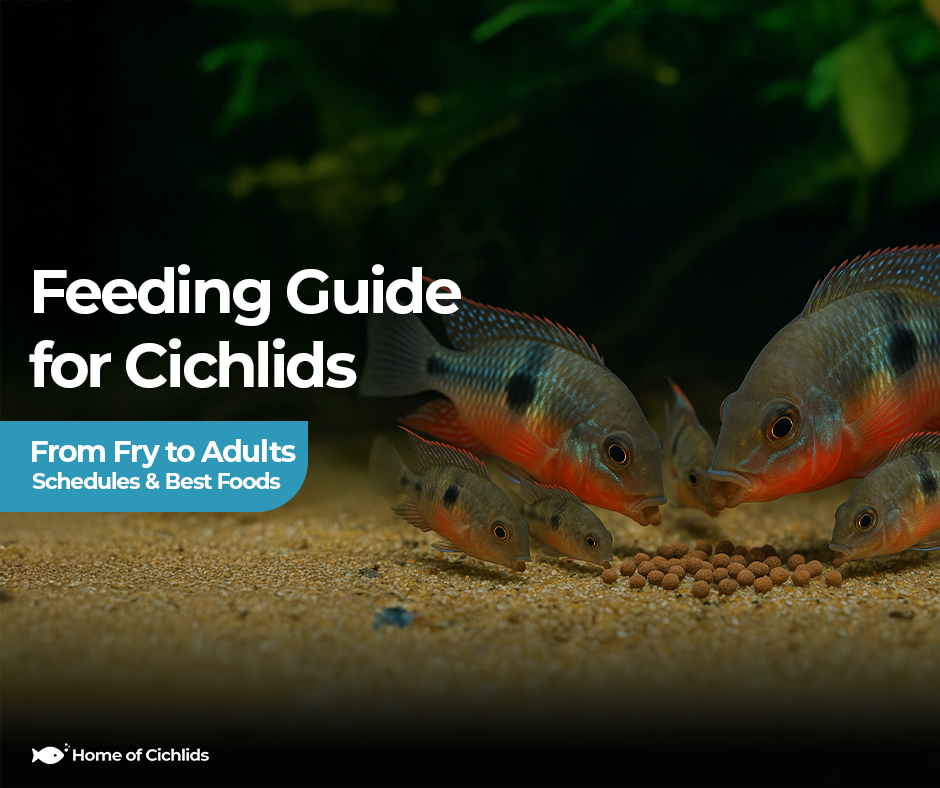
Cichlids are among the most popular freshwater aquarium fish, admired for their intelligence, diverse shapes, and truly vibrant colours. Whether you’re raising delicate fry or maintaining a mature brood of African cichlids or South American cichlids, understanding their nutritional needs is crucial. This guide breaks down feeding schedules and best cichlid food choices, explains how to feed your cichlids for optimal growth and colour.
Why Diet Matters: Fry vs. Adults
Cichlid fry have tiny mouths, fast metabolisms, and rapid growth rates, so they require protein-rich foods in small, frequent feeds. Adults digest larger pellets and benefit from a balanced diet of animal protein and plant-based matter. An improper diet can lead to stunted growth, poor colouration, or health issues like bloating and swim‑bladder disorders.
Feeding Schedules by Life Stage
| Life Stage | Frequency/Day | Portion Size | Notes |
| Newly Hatched Fry | 6–8 times | Pinhead‑size or finer | Infusoria or liquid fry food for the first week; use a gentle sponge filter to avoid sucking up fry and to keep waste under control. Perform daily 10–15% water changes to dilute ammonia build‑up. |
| Advanced Fry | 4–6 times | Crushed micro‑pellets | Introduce live food like baby brine shrimp; siphon debris immediately after feeding. Monitor ammonia and nitrite each day. |
| Juveniles | 3–4 times | Small pellets or flakes | Watch growth; adjust portion as they grow; run a stable biological filter and do 20% water changes every other day during heavy feeding. |
| Adults | 2 times | Standard pellets or granules | Include a variety of high quality items; maintain routine 25–30% weekly water changes to keep tanks crystal clear. |
Tip: To avoid overfeeding and preserve water quality, simply give them as much food as they can finish in two to three minutes.
Best Foods for Fry
| Food Type | Timing/Stage | Preparation/Notes | Key Benefits |
|---|---|---|---|
| Infusoria | First 5–7 days | Cultured from boiled lettuce/spinach water | Gentle on hatchlings; promotes gut health |
| Liquid Fry Food | Week 1+ | Commercial brands (e.g., Hikari First Bites) | Consistent nutrition; animal protein + vitamins |
| Crushed Micro-Pellets | Week 2+ | Grind pellets finely; feed 4–6x daily | Supports steady growth; easy digestion |
| Baby Brine Shrimp | Week 2+ (live) | Hatch at home in 24 hours | Boosts immunity & early color development |
Tip: Rotate foods as fry grow. Start with infusoria/liquid food, then introduce crushed pellets or baby brine shrimp. Always match food size to their mouths!
Juvenile to Adult Diet
Move fry to more substantial alternatives as they develop into juveniles and then smaller fish.
| Food Type | Best For | Preparation/Feeding Tips | Key Benefits |
|---|---|---|---|
| High-Quality Pellets | All growing cichlids | Sinking/slow-sink formulas | Mimics natural bottom-feeding behavior |
| Flake & Granule Mixes | South American species (Angelfish, Discus) | Check animal protein is top ingredient | Balanced surface/mid-water nutrition |
| Frozen & Freeze-Dried | All cichlids (treat/rotation) | Rehydrate freeze-dried items | Adds variety (bloodworms, krill, daphnia) |
| Live Food | Color/immune boost | Use sparingly; earthworms, mosquito larvae | High stimulation; risk of parasites |
| Vegetable Matter | Grazers (Mbuna, Tropheus) | Blanched zucchini/peas; duckweed | Prevents constipation; supports digestion |
Tip: Rotate pellet brands weekly and alternate with live/frozen foods to prevent nutritional gaps and “dietary boredom”.
Special Considerations for Popular Species
- Convict Cichlids: Hardy omnivores; thrive on a mix of pellets plus occasional live worms. Overfeeding can cause aggression during breeding.
- African Cichlids: Many species need more vegetable content—supply spirulina-based flakes to prevent Malawi bloat.
- South American Cichlids: Species like Oscars appreciate colour‑enhancing diets rich in carotenoids; look for colour enhancers on packaging.
Maximising Vibrant Colours & Health
To encourage vibrant colours, incorporate these strategies:
- Protein Balance: Excess protein can dull colours; ensure 35–45% protein for adults.
- Colour Enhancers: Ingredients like astaxanthin and spirulina boost reds and blues.
- Stable Water Quality: Tight parameters prevent stress. Frequent water changes (25–30% weekly) remove waste and uneaten fish food.
- Supplements: Occasional use of vitamin-enriched gels or wafers supports growth in smaller fish and juveniles.
For more on colour and diet, see our blog: Do Colour-Enhancing Foods Really Work? The Truth About Cichlid Diets.
Choosing High‑Quality Foods
Always examine labels and opt for brands that:
- List animal protein sources (fish meal, krill) first.
- Use natural colour enhancers (no artificial dyes).
- Provide a variety of live food enrichers, pellets, and flakes.
- Are free from fillers (wheat, soy, cornmeal) that pass through undigested.
Rotating between at least three food types prevents deficiencies and keeps your cichlids eager at feeding time.
Absolute Colour checks every box—plus delivers visible results in 14 days.
✅ Australian-made sinking pellets. Zero hormones. Science-backed colour.
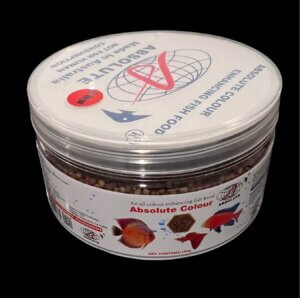
Try Absolute Colour →
Common Mistakes & Troubleshooting
- Overfeeding: Cloudy water, algae blooms, and obesity. Always remove uneaten bits after 5 minutes.
- One‑Dimensional Diet: Leads to nutrient gaps—variety is key.
- Skipping Fry Foods: Too-large pellets stunt fry growth; invest in specialised micro‑feeds.
- Ignoring Species Needs: Carnivorous vs. herbivorous cichlids have different ratios of animal protein to plant matter.
If you spot bloating, swimming issues, or colour fading, reassess diet and water parameters immediately.
Sample Weekly Feeding Schedule
| Day | Morning | Afternoon | Evening |
| Mon | Micro‑pellets (fry) | Baby Brine Shrimp | Infusoria |
| Tue | Pellets (juveniles) | Frozen Bloodworms | Vegetable Slurry |
| Wed | Spirulina flakes | Live Daphnia | High‑quality pellets |
| Thu | Micro‑pellets (fry) | Colour Enhancer Wafers | Peas/Zucchini bits |
| Fri | Pellet/Flake mix | Baby Brine Shrimp | Infusoria |
| Sat | Frozen Krill | Live Nematodes | Vegetable Slurry |
| Sun | Rest day (skip feed if water dirty; otherwise pellets) |
Adjust quantities by observing how quickly all food disappears.
By following this structured guide, you’ll ensure your African cichlids, and South American cichlids receive balanced, species‑appropriate diets that promote health, rapid growth, and those dazzling vibrant colours we all admire. Regular monitoring, variety in cichlid food, and strict feeding routines will set you up for success—no gimmicks, just solid husbandry.