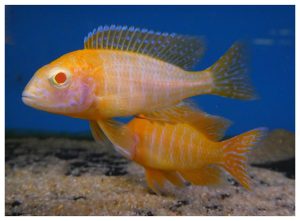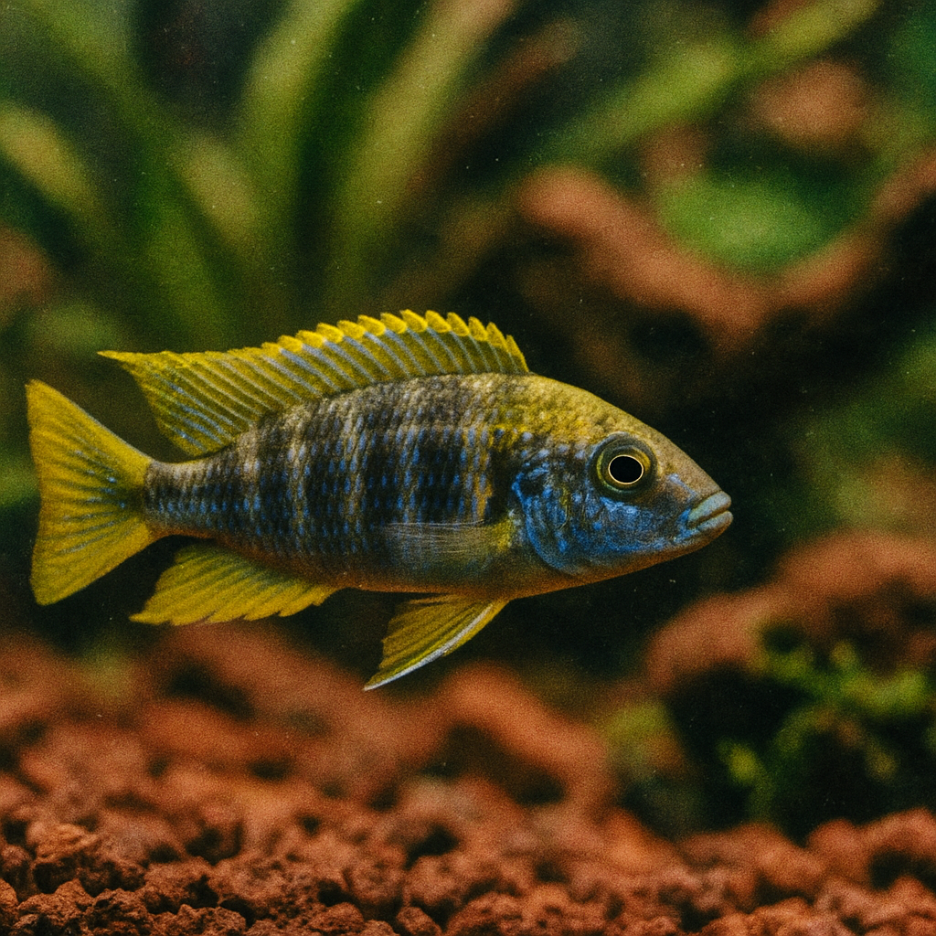
African cichlids are among the most colorful and engaging freshwater fish available to aquarists. Their intelligence, strong personalities, and striking patterns make them a favorite worldwide. At the same time, they require more planning and structure than typical community fish.
This guide walks through the essentials of keeping African cichlids, including species groups, tank design, feeding strategies, and long-term care. Whether you’re building your first cichlid aquarium or refining an existing setup, understanding their natural behaviour is the key to success.
Educational resources from Home of Cichlids support hobbyists with practical guidance on species selection and responsible fishkeeping.
What Are African Cichlids?
African cichlids originate mainly from three large Rift Valley lakes: Lake Malawi, Lake Tanganyika, and Lake Victoria. These environments shaped their unique traits, including territorial behaviour, specialised diets, and complex breeding habits. Unlike many tropical fish, African cichlids require carefully structured habitats that reflect their natural surroundings.
Natural Origins and Habitat Influence
The Rift Valley lakes are mineral-rich ecosystems with stable temperatures and alkaline water. African cichlid fish evolved to thrive in these conditions, developing strong territorial instincts and specialised feeding habits. In home aquariums, replicating this environment through proper filtration, rock formations, and consistent water chemistry helps reduce stress and encourages natural behaviour, making long-term care more manageable.
Social Behavior and Dominance Hierarchies
African cichlids establish complex social structures where dominant individuals claim territories and breeding areas. These hierarchies influence feeding access and swimming space. Without adequate hiding places or visual barriers, weaker fish may experience prolonged stress. Understanding these dynamics allows aquarists to design tank layouts that distribute aggression more evenly and promote balanced group interactions.
Color Development and Environmental Response
Healthy African cichlids display intense, vibrant colors that reflect both genetics and environmental quality. Poor water conditions, overcrowding, or improper diet often result in faded coloration. Because these fish respond strongly to changes in their surroundings, maintaining stable parameters and consistent feeding routines directly supports colour expression, immune function, and overall vitality.
Main Types of African Cichlids
Understanding the major African cichlid groups helps aquarists avoid compatibility problems and tailor care routines more effectively. Each group evolved in different parts of the Rift Valley lakes, resulting in unique temperaments, feeding habits, and space requirements. Knowing these distinctions allows hobbyists to design aquariums that support natural behaviour while minimizing stress and aggression.
Mbuna Cichlids
Mbuna inhabit rocky shorelines of Lake Malawi and are known for their intense territorial instincts. These highly active fish rely on rock formations to establish personal territories and escape aggression. Their primarily herbivorous diet requires fibre-rich foods to support digestion. Without adequate rockwork and proper nutrition, Mbuna often develop stress-related issues or digestive complications.
Peacock Cichlids (Aulonocara)
Peacock cichlids originate from sandy regions of Lake Malawi, where they forage along open bottoms rather than among rocks. They are generally less aggressive than Mbuna and display striking reds, blues, and yellows when healthy. Peacocks thrive in aquariums with open swimming areas and moderate rock structures, benefiting from balanced omnivorous diets and stable water parameters.
Haplochromis (Haps)
Haplochromis cichlids are larger, fast-moving predators that require spacious aquariums to thrive. Their protein-rich diet supports growth and coloration, but overfeeding can quickly impact water quality. Due to their size and assertive nature, Haps are best suited for experienced aquarists who can provide large tanks, compatible tank mates, and strong filtration systems.
African Cichlid Tank Setup Basics
A successful African cichlid tank setup focuses on territory management, water chemistry, and filtration rather than dense planting.
Before adding fish, take time to design the environment properly.
Tank Size and Shape
Tank size directly affects behaviour.
- Minimum recommended size: 200 litres
- Larger species often need 300 litres or more
Long tanks provide more horizontal swimming space and reduce conflict.
Aqua scaping for Territorial Fish
African cichlids rely on visual barriers.
Effective layouts include:
- Rock piles and caves
- Stacked formations with gaps
- Open areas for swimming
These features allow weaker fish to retreat and help distribute aggression.
Substrate Choice
Sand or fine gravel is ideal. Many species naturally sift substrate and dig during spawning.
Avoid sharp materials that may damage mouths or fins.
Water Parameters
African cichlids prefer alkaline, mineral-rich water.
Recommended ranges:
- pH: 7.8 to 8.6
- Temperature: 24 to 27°C
- Hardness: Moderate to high
Weekly partial water changes help maintain consistency.
Filtration and Water Movement
Cichlids produce significant waste, so strong filtration is essential. Canister filters or high-capacity internal filters work well. Moderate water flow mimics natural lake conditions and improves oxygenation.

African Cichlid Care Fundamentals
Successful African cichlid care is built on consistency rather than complexity. Stable water conditions, structured feeding routines, and daily observation form the foundation of long-term health. Small habits, such as checking equipment and monitoring fish behavior, gradually reduce stress levels and help prevent illness. Over time, these routines support stronger immune systems and more vibrant colour development.
Feeding African Cichlids
Diet varies by species, with Mbuna requiring mostly plant-based foods, Peacocks benefiting from balanced omnivorous diets, and Haps needing higher protein intake. Feeding small portions once or twice daily prevents digestive strain and reduces waste buildup. Overfeeding is a leading cause of Malawi Bloat, while removing uneaten food helps preserve water quality and tank stability.
Behavior Monitoring and Early Intervention
Healthy African cichlids are alert, responsive, and actively exploring their environment. Subtle changes such as constant hiding, clamped fins, rapid breathing, or reduced appetite often signal early stress or illness. Observing your fish for a few minutes each day allows quick adjustments to feeding, water parameters, or tank layout before problems escalate.
Compatibility and Tank Mates
African cichlids are not traditional community fish, and their strong territorial instincts make compatibility one of the most challenging aspects of keeping them. Unlike peaceful tropical species, African cichlids establish dominance hierarchies and actively defend personal space, especially during breeding periods.
Mixing them with fish with tetras is rarely successful, as smaller schooling fish often become stressed, harassed, or eventually eaten. Even if aggression appears minimal at first, long-term cohabitation usually leads to weakened immune systems in smaller species due to constant pressure.
Instead, it is far more effective to keep similarly sized African species or carefully planned groups with comparable temperaments. Selecting fish from the same lake region often improves compatibility, as their environmental needs are similar.
Before combining varieties, always research temperament, adult size, and dietary requirements. Providing adequate tank space, visual barriers, and hiding spots also plays a major role in reducing aggression and allowing multiple species to coexist more peacefully over time.
Acclimation and Quarantine
New arrivals should always be quarantined for 10 to 14 days.
This helps detect:
- Ich
- Fin damage
- Internal parasites
- Feeding issues
Slow acclimation also allows fish to adjust to differences in temperature and pH, reducing stress.
Choosing Healthy Fish
When browsing cichlids for sale, look for:
- Clear eyes
- Intact fins
- Active swimming
- Even breathing
Many African varieties are marketed as exotic fish for sale, but responsible ownership starts with understanding their specific care needs.
You can explore African species through the African fish collection at Home of Cichlids, which focuses on Rift Lake cichlids.
Common Health Issues
Most health problems trace back to unstable water or improper diet.
Typical concerns include:
- Ich (white spot)
- Fin rot
- Internal parasites
- Malawi Bloat
Preventative care, such as regular water changes, appropriate feeding, and adequate tank space, significantly reduces risk.
African Cichlid Groups at a Glance
Group | Aggression | Diet | Minimum Tank |
Mbuna | High | Herbivore | 200L |
Peacock | Moderate | Omnivore | 250L |
Haps | Moderate to High | Carnivore | 300L |
Long-Term Aquarium Management
Consistency matters more than perfection.
Weekly maintenance, monthly equipment checks, and daily observation create a stable environment. Over time, this reduces stress-related illness and improves color development. Educational guidance from Home of Cichlids emphasizes building reliable routines that support fish health rather than relying on reactive fixes.
Key long-term management practices include:
- Performing regular partial water changes to maintain stable parameters
- Testing pH, ammonia, and nitrate levels weekly
- Inspecting heaters and filters monthly for proper operation
- Removing uneaten food and debris promptly
- Observing fish behavior daily for early signs of stress or illness
- Adjusting stocking levels as fish grow
These simple habits help maintain water quality, support immune function, and encourage natural behavior in African cichlid aquariums.
Conclusion
African cichlids bring unmatched color and character to freshwater aquariums, but they thrive only when their environment is thoughtfully designed. From proper African cichlid tank setup to consistent feeding and observation, every detail contributes to long-term success.
By understanding species differences, maintaining stable water parameters, and practicing responsible care, aquarists can enjoy healthy, active fish for years to come.
If you need additional guidance on species selection or aquarium care, we encourage you to Contact us through Home of Cichlids for general support and educational resources.
Frequently Asked Questions
Yes, with preparation. Peacock cichlids are often a good starting point due to their calmer temperament.
This depends on the tank size and species. Slight overstocking can sometimes reduce aggression if filtration is strong.
Usually no. Most African cichlids are incompatible with small schooling fish.
Weekly changes of 20 to 30 percent are recommended.
Improper diet, stress, and poor water quality are the most common factors.