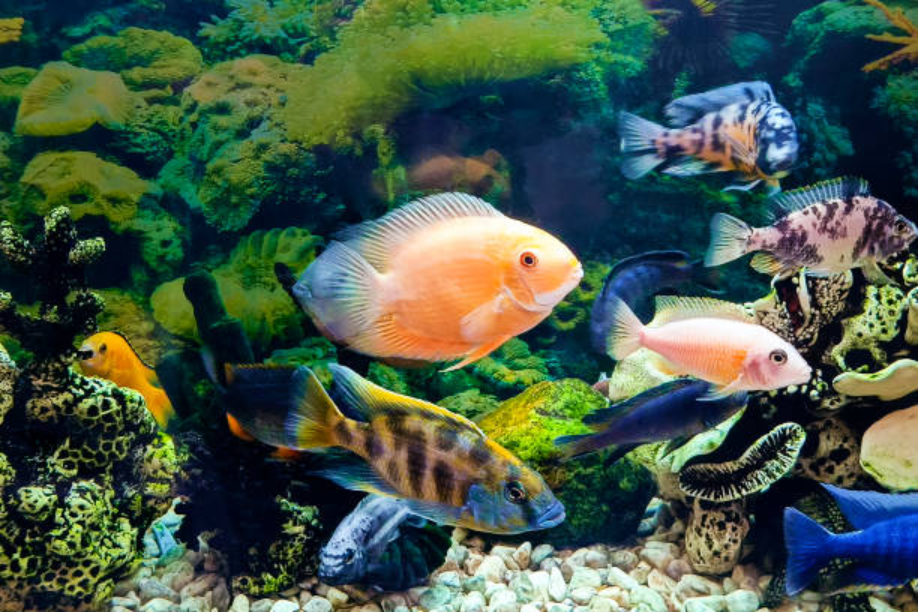
Feeding cichlids correctly is one of the most influential factors in their long-term health, digestive stability and color intensity. At Home of Cichlids, fish keepers often ask about the right combination of food types, feeding frequency and nutrient sources suitable for various cichlid species. Because these fish originate from diverse habitats across Africa, Central America and South America, their dietary needs differ significantly depending on their natural ecology.
Cichlids have complex digestive systems, and each species has evolved to feed very specific foods in the wild. This means understanding their biology is essential before deciding what to feed them. Not all foods provide equal benefits, and some can even cause digestive issues if offered incorrectly. Determining the best diet for cichlids therefore requires a careful look at natural feeding patterns, domesticated fish behavior, and the nutrient content of everyday aquarium foods.
A properly structured diet improves immunity, reduces stress, enhances coloration, and prevents common health problems such as bloat or nutrient deficiencies. Whether you keep herbivorous Mbuna, omnivorous peacocks or carnivorous South American species, providing the right foods is essential for their wellbeing. Maintaining the right nutritional balance ensures that the goal is not only to feed them but to nourish them in a way that supports natural behaviors and long-term vitality.
Understanding Cichlid Nutritional Needs
Cichlids require a balanced mix of proteins, plant matter, vitamins, minerals, and essential fatty acids. Their dietary requirement depends largely on their feeding classification:
- Herbivores
- Omnivores
- Carnivores
- Planktivores
- Detritivores
Each group processes nutrients differently. For example, herbivorous African cichlids have longer digestive tracts and require plant-based diets rich in fibre and algae. Carnivorous species, on the other hand, digest proteins more efficiently and rely on prey-based foods in the wild.
A strong nutritional base helps with:
- Healthy metabolism
- Reduced aggression linked to hunger
- Vibrant color development
- Stable breeding behavior
- Stronger immunity
- Reduced risk of digestive complications
Many fish keepers refer to resources at Home of Cichlids when identifying the correct nutritional balance for their tank species.
Types of Foods Suitable for Cichlids
Cichlids benefit from a diverse range of foods, each offering unique advantages. Understanding these helps build a complete and balanced feeding plan.
Pellets and Flakes
Pellets are one of the most reliable feeding options and offer stable nutritional composition. They are formulated for specific species, making it easier to meet their dietary needs. Pellets come in floating, sinking and slow-sinking varieties to accommodate different feeding behaviors.
Flakes work well for juveniles and smaller fish, although they break down faster in water, which can impact water quality if uneaten. For larger cichlids, pellets are generally preferred because they discourage overfeeding and maintain consistency in meals.
Frozen Foods
Frozen foods provide a good balance between nutrition and safety. They closely resemble natural dietary sources but avoid many of the contamination risks associated with live foods. Common frozen choices include:
- Brine shrimp
- Bloodworms
- Mysis shrimp
- Spirulina blends
- White mosquito larvae
Frozen foods should be offered as supplements rather than primary meals to maintain digestive stability.
Live Foods
Live foods stimulate natural hunting instincts and can enrich behavioral health. However, they must be sourced from reputable suppliers due to the potential risk of parasites or bacteria.
Popular live foods include:
- Daphnia
- Worms
- Brine shrimp
- Feeder fish (rarely recommended unless quarantined)
Understanding pellet vs live food helps fish keepers choose the right option for their tank goals. Live foods are enriching but should be used sparingly.
Vegetable-Based Foods
Herbivorous and omnivorous cichlids thrive on plant matter. Fresh, blanched vegetables such as spinach, peas, zucchini and lettuce provide fiber and essential micronutrients. Algae-based products, especially spirulina, support digestive strength and color enhancement.
Homemade Cichlid Food
Many aquarists prefer preparing homemade cichlid food to control ingredient quality and nutrient levels. Homemade recipes often include fish, shrimp, vegetables, vitamins and gelatin binders. These blends can provide excellent nutritional balance if stored and portioned correctly.
Comparing Pellet vs Live Food
Choosing between pellets and live foods depends on nutritional goals, species kept and personal preferences.
Factor | Pellets | Live Food |
Nutrition consistency | High | Variable |
Safety | Low risk | Higher risk of pathogens |
Behavioral enrichment | Moderate | High |
Cost | Affordable | Moderate to high |
Convenience | Very convenient | Requires preparation |
Digestive impact | Stable | Must be moderated |
Pellets are ideal for daily feeding due to their stability and balanced composition. Live foods should be used for enrichment or special feeding situations.
Building a Balanced Feeding Schedule
A structured schedule helps maintain digestive health and reduces tank aggression. Cichlids benefit from routines because it aligns feeding with natural behaviour cycles.
Feeding Frequency
- Adult cichlids: Two meals per day
- Juveniles: Three to four small meals daily
- Fry: Multiple feedings due to rapid growth
Consistency prevents stress and encourages regular digestion.
Portion Sizes
Portions should be measured so fish finish within one to two minutes. Overfeeding leads to:
- Ammonia spikes
- Cloudy water
- Bloating
- Poor water quality
- Food aggression among tank mates
Monitoring fish behaviour during feeding helps adjust portions appropriately.
Rotating Food Types
A varied diet ensures better nutritional balance. A sample weekly rotation may include:
Day 1: Pellets
Use high-quality species-appropriate pellets as the primary diet. Floating pellets suit surface feeders like peacocks, while sinking or slow-sinking pellets benefit bottom-foraging species. Pellets ensure stable nutrient intake.
Day 2: Vegetables or Spirulina Foods
Herbivorous cichlids require frequent plant matter to maintain digestive health. Blanched spinach, peas, spirulina flakes or spirulina pellets provide essential fiber, reduce bloating and enhance natural coloration.
Day 3: Frozen Foods
Frozen brine shrimp, mysis shrimp or krill introduce protein diversity while remaining safe and parasite-free. Frozen options support growth and are beneficial during breeding periods.
Day 4: Pellets
Returning to pellets mid-week ensures consistent nutrient intake and resets the digestive system after protein-rich meals.
Day 5: Live Food Treat
Live foods such as daphnia or live brine shrimp stimulate natural hunting behavior. They should be offered occasionally and only from clean, safe sources to avoid introducing pathogens.
Day 6: Frozen Mix
A balanced frozen blend containing marine proteins, algae and micronutrients provides variety while supporting colour enhancement and muscle development.
Day 7: Light Feeding or Fasting Day
A fasting day helps replicate natural feeding gaps. It gives the digestive system time to rest, reduces the risk of bloating and helps maintain water quality by limiting waste.
Species-Specific Feeding Notes
- Mbuna (herbivores): Require algae-based diets and low protein
- Peacock cichlids (omnivores): Thrive on mixed protein-vegetable diets
- South American cichlids (carnivores): Require a protein-rich diet with occasional prey-like foods
- Tanganyikan species: Prefer planktonic foods and fine pellets
Understanding these distinctions supports healthier, more active fish.
Homemade Cichlid Food Recipes
Homemade foods give fish keepers greater control over ingredients and nutrient levels. When stored properly, they are an excellent addition to a weekly feeding plan.
Vegetable-Based Gel Recipe
This recipe benefits herbivorous species:
- Spinach
- Zucchini
- Peas
- Carrots
- Spirulina powder
- Garlic (small amount for immunity)
- Gelatin or agar as binder
Blend, heat, set, and cut into small portions for freezing.
Protein-Blended Homemade Mix
Suitable for omnivores and carnivores:
- White fish fillets
- Shrimp
- Carrots
- Broccoli
- Omega-rich supplements
- Vitamin powders
A balanced mix ensures consistent nutrient intake.
Benefits of Homemade Food
- Higher ingredient control
- Custom nutrient profiles
- Reduced artificial fillers
- Fresh and natural flavor
Common Feeding Mistakes to Avoid
Avoiding certain habits helps maintain tank health and reduces stress in cichlid communities.
Overfeeding
Excess food causes digestive issues, increased aggression and water quality problems. Fish should have slightly rounded, not bloated, stomachs after feeding.
Feeding Only One Food Type
Offering only pellets or exclusively live foods restricts nutritional variety. Balanced diets promote stronger immunity and coloration.
Ignoring Species-Specific Diets
Feeding herbivores high-protein diets often lead to Malawi bloat. Carnivores fed plant-only diets may become malnourished. Species differences matter.
Lack of Routine
Inconsistent feeding schedules cause anxiety and encourage competition within the tank. Establishing a routine is key.
Shop Premium Cichlid Food
Conclusion
Choosing the best diet for cichlids involves understanding species’ needs, selecting foods that support digestion and color, and maintaining variety through pellets, vegetables, frozen foods and occasional live feeds. Offering a balanced diet strengthens immunity, reduces stress, and encourages natural behavior. If you require guidance on selecting the right food types for your aquarium, you can contact us through Home of Cichlids for personalized support.
FAQs
Nutritionally balanced pellets designed for their species should form the base of their diet.
Yes. Blanched peas, spinach and zucchini support digestive health, especially for herbivorous species.
Live foods are optional but useful for behavioural enrichment. They should be fed sparingly.
Juveniles need three to four small meals each day for proper development.
Homemade foods are beneficial when nutritionally balanced and stored safely. They should supplement, not replace, commercial products.