Description
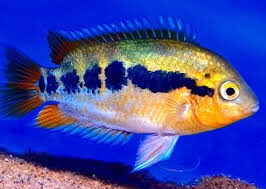
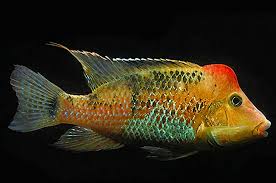
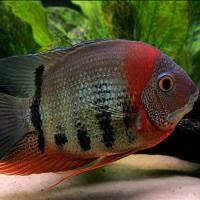
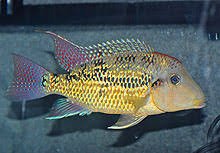
The Red Terror Cichlid (Cichlasoma festae or Amphilophus festae) is a striking and aggressive South American cichlid known for its vibrant coloration and dominant personality. Here’s a detailed breakdown of its origin, care requirements, and suitable tank mates:
🐟 Origin
-
Native to: Rivers and streams of western Ecuador and northern Peru, particularly in the Rio Esmeraldas basin.
-
Habitat: Found in warm, slow-moving to moderate-flow freshwater environments with rocky substrates and submerged wood.
-
Often confused with the False Red Terror (Amphilophus labiatus or Mesoheros festae), but Cichlasoma festae is the true Red Terror.
🧪 Care Requirements
| Parameter | Ideal Range |
|---|---|
| Tank Size | Minimum 75 gallons (284 L) for a single adult; 125+ gallons for a pair |
| Temperature | 24–28°C (75–82°F) |
| pH | 6.5–8.0 |
| Hardness | 4–15 dGH |
| Diet | Omnivorous — high-quality pellets, frozen/live foods (shrimp, krill, worms), vegetables (peas, spinach) |
| Behavior | Territorial, very aggressive — especially during breeding |
| Aquascape | Use rocks, caves, driftwood for territories. Secure all decorations — they dig heavily. |
| Filtration | Strong filtration and regular water changes are essential due to heavy bioload |
🤝 Tank Mates
Tank mates must be large, robust, and able to defend themselves. Avoid small or peaceful fish. Best results are often in species-only setups or with other aggressive cichlids.
Possible Tank Mates (in very large tanks):
-
Oscar cichlids
-
Jaguar cichlids
-
Green Terrors
-
Texas Cichlids
-
Plecos (large species like Sailfin or Common)
-
Silver Dollars (fast and schooling, but risk remains)
⚠️ Important: Even compatible species are at risk. Monitor closely and be ready to separate if needed.
🔴 Fun Fact
The name “Red Terror” comes from both their fiery red coloration (especially in females) and their extreme aggression, especially when guarding eggs or fry.