Description
General Information:
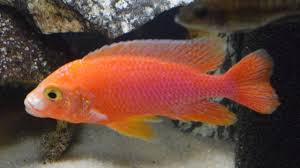
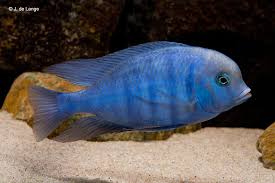
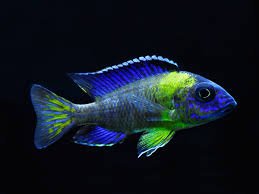
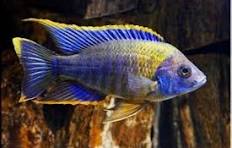
The Pearl of Likoma (Labidochromis joanjohnsonae) is a stunning and relatively peaceful African cichlid native to Lake Malawi. Known for its shimmering pearlescent coloration and graceful demeanor, this species is a favorite among aquarists for its beauty and compatibility in community cichlid tanks. Unlike many Malawi cichlids, the Pearl of Likoma is less aggressive, making it an excellent choice for hobbyists looking to add a touch of elegance to their aquarium.
Species Overview:
- Species: Labidochromis joanjohnsonae (Note: While it was once classified as Pseudotropheus or Melanochromis joanjohnsonae, scientists have reclassified it, and Labidochromis is now the accepted genus.)
- Common Name: Pearl of Likoma
- Origin: Lake Malawi, Africa (Likoma Island and surrounding areas)
- Diet: Omnivorous (leans toward carnivorous)
- pH Range: 7.8–8.6
- Temperature: 24°C–28°C (75°F–82°F)
- Max Size: 10–12 cm (4–5 inches)
- Tank Size: Minimum 40 gallons for a small group; 55+ gallons for a community setup
Water Quality:
Pearl of Likoma cichlids require hard, alkaline water with a pH between 7.8 and 8.6, mimicking their natural Lake Malawi habitat. Strong filtration and regular water changes (20–30% weekly) are essential to maintain water quality and reduce nitrate buildup. A sandy substrate and plenty of rockwork provide a natural environment, offering hiding spots and territorial boundaries.
Feeding:
Pearl of Likoma cichlids are omnivorous but prefer a protein-rich diet. A balanced diet includes high-quality cichlid pellets or flakes, supplemented with live or frozen foods like brine shrimp, mysis shrimp, and bloodworms. Occasional vegetable matter, such as spirulina or blanched spinach, can also be offered. Feed 1–2 times daily in small portions to avoid overfeeding and maintain water quality.
Tank Mates:
Pearl of Likoma cichlids are relatively peaceful and can coexist with other non-aggressive Malawi cichlids. Suitable tank mates include:
- Other Labidochromis species (e.g., Yellow Lab, Labidochromis caeruleus)
- Peaceful mbuna (e.g., Iodotropheus sprengerae, Pseudotropheus acei)
- Peacock cichlids (Aulonocara species)
- Synodontis catfish
Avoid housing them with overly aggressive or territorial cichlids, as they may be outcompeted or bullied.
Sexing:
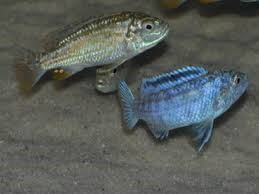
Males and females are similar in appearance, but males tend to be slightly larger and more colorful, with more intense pearlescent sheens and subtle blue or yellow highlights on their fins. Females are generally smaller and less vibrant. During breeding, males may display enhanced colors and increased territorial behavior.
Breeding:
Pearl of Likoma cichlids are maternal mouthbrooders. Males establish territories and court females by displaying their colors and performing courtship dances. After spawning, the female collects the fertilized eggs in her mouth and incubates them for 18–21 days. During this time, she does not eat. Once the fry are released, they can be fed finely crushed flakes or baby brine shrimp. The female may continue to protect the fry for a short period.
Maximum Size and Longevity:
Pearl of Likoma cichlids grow to a maximum size of 10–12 cm (4–5 inches) and have a lifespan of 6–10 years with proper care. Their longevity depends on water quality, diet, and tank conditions, so maintaining a stable and clean environment is crucial.
Fun Fact:
The Pearl of Likoma’s pearlescent sheen is most striking under bright aquarium lighting, making it one of the most visually captivating cichlids from Lake Malawi. Its peaceful nature and shimmering appearance have earned it the nickname “the jewel of Likoma.”