Description
Jaguar Cichlid — The Ultimate Predator for the Experienced Aquarist
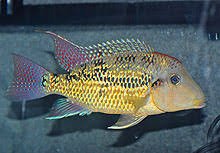
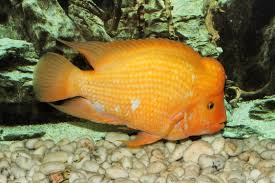
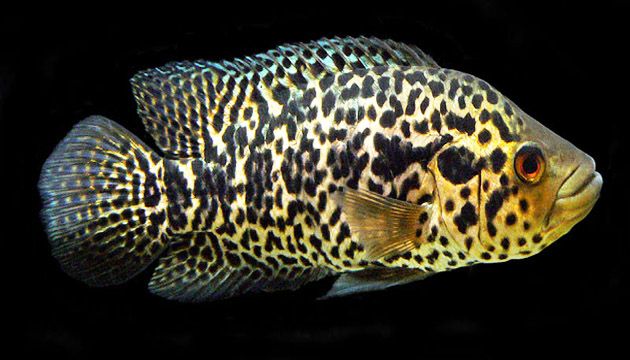
Turn your aquarium into a dramatic, living slice of Central-American riverbank wilderness with the Jaguar Cichlid — a fish as bold as its name suggests. With its striking jaguar-like spots and powerful, muscular build, this cichlid brings both beauty and dominance to any large tank.
🌍 Origin & Background
-
Scientific name: Parachromis managuensis.
-
Native to the warm, murky rivers and lakes of Central America (especially Honduras and Nicaragua).
-
In the wild, it thrives in slow-moving water with muddy or silty substrate and vegetated banks — conditions you can emulate in your aquarium.
🍽️ Diet & Feeding
-
Jaguar Cichlids are carnivorous predators. In the wild they hunt smaller fish, invertebrates, and insects.
-
In captivity they thrive on a high-protein diet: sinking or carnivore-specific pellets, frozen/fresh fish or shrimp, earthworms, bloodworms, crickets — even (disease-free) feeder fish on occasion.
-
Feeding once per day is often enough; avoid overfeeding and remove any uneaten food promptly (they have big appetites and produce a lot of waste).
🏠 Tank Requirements & Setup
-
Adult Jaguar Cichlids grow large: often 30–50 cm (12–20″) depending on conditions.
-
Because of their size and activity level, they require a very spacious tank—ideally 400–500 liters or more for a single adult, and significantly larger if you plan on a pair or tankmates.
-
Use sand or fine gravel substrate (they like to dig), and decorate with heavy rocks, driftwood, and caves—avoid delicate plants, as they will likely uproot or destroy them.
-
Strong filtration and good water flow are a must—these are big fish that produce substantial waste. Regular water changes (e.g., 20–30% weekly) help maintain water quality.
🐟 Tankmates & Compatibility
-
Jaguar cichlids are highly territorial and aggressive—any fish small enough to fit in their mouth is considered food, and even similarly-sized but peaceful fish may be bullied or stressed.
-
In most cases they are best kept alone or as a single compatible pair. If you do attempt to keep them with others, choose only very large, robust, aggressive cichlids or big bottom-dwellers (e.g., large Plecos or sturdy catfish), and only in a very large, well-structured tank that provides hiding spaces and visual barriers.
-
Smaller community fish, peaceful species, shrimp, or plant-only aquaria are strictly inadvisable—they’ll almost certainly be stressed or eaten.
💡 Why Keep a Jaguar Cichlid?
-
Striking appearance & presence: Their jaguar-like pattern and muscular body make them one of the most dramatic and visually impressive cichlids you can own.
-
Personality & intelligence: They are active swimmers, often investigating their surroundings, recognizing their keepers, and showing interesting behavior—much more “alive” than many passive community fish.
-
Long-term commitment & reward: They can live ~10–15 years with proper care — a long-term centerpiece for a dedicated aquarist.
-
Challenging and rewarding: Because of their care requirements and temperament, they’re best suited to experienced fishkeepers—which means successfully keeping one is a badge of honor in the cichlid hobby.