Description
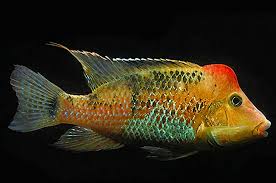
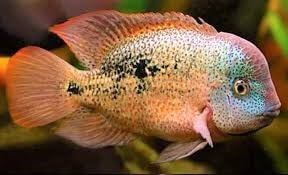
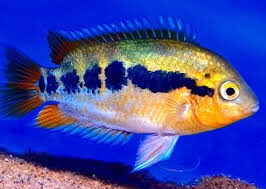
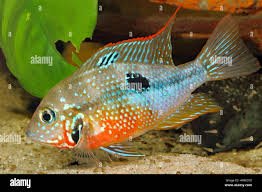
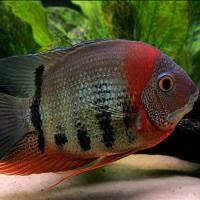
Discus (Symphysodon spp.) are renowned for their stunning, round shape and vibrant colours, making them one of the most sought-after freshwater fish. Originating from the Amazon River basin, they display a wide range of colours including reds, blues, browns, and marbles, often with intricate patterns. Adult discus typically reach 15-25cm in diameter, and their elegant, slow-moving nature makes them a focal point in any well-maintained aquarium. They are considered moderately challenging to care for, requiring stable water parameters and a peaceful environment.
Tank Recommendations:
A minimum of 250 litres is recommended for a small group of discus, with warm, soft, slightly acidic water (pH 6.0-7.0) and temperatures between 28-30°C. Use gentle filtration to maintain water quality, and include plants, driftwood, and smooth substrates to replicate their natural Amazon habitat. Regular water changes are essential.
Compatibility & Incompatibility:
Discus do well with peaceful tank mates such as tetras, rasboras, Corydoras, and peaceful dwarf cichlids. Avoid aggressive or large fish that may stress or bully them. They are sensitive to sudden changes in water quality, so a calm, stable environment benefits their health.
Best Feeding Regime:
They are omnivorous but prefer a diet rich in high-quality flakes, pellets, and live or frozen foods like bloodworms, brine shrimp, and daphnia. Feed multiple small portions daily, ensuring they consume everything within a few minutes to prevent water fouling.
Additional Details:
- Scientific Name: Symphysodon spp.
- Care Level: Moderate to advanced
- Common Names: Discus, Symphysodon
- Diet: Omnivorous, prefers protein-rich foods
- Fish Family: Cichlidae
- Lifespan: 10-15 years
- Max. Length: 25cm
- Min. Tank Volume: 250 litres
- Origin: Amazon River basin, South America
- Sociability: Peaceful, social, best kept in groups
- Water Conditions: pH 6.0-7.0, Temperature 28-30°C, soft, slightly acidic water
Discus are a beautiful, elegant species that require attentive care, but reward aquarists with their vibrant colours and graceful presence when kept in optimal conditions.