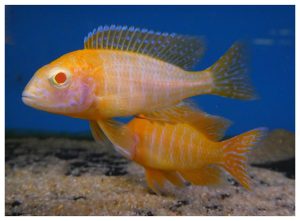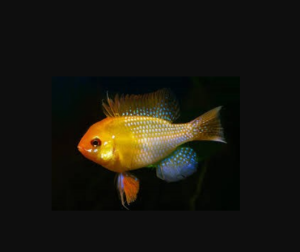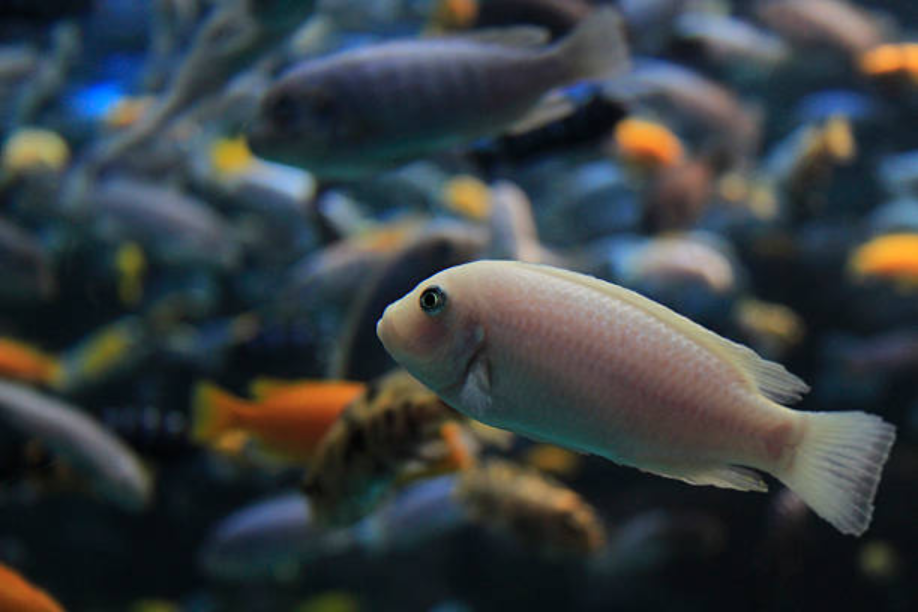
African cichlids are among the most colorful and engaging freshwater fish available to aquarium hobbyists. Native to the rift lakes of East Africa, these fish are admired for their vibrant coloration, intelligence, and complex social behaviors. However, keeping them successfully requires a solid understanding of African cichlid care requirements, including tank setup, water chemistry, diet, and behavioral management.
This guide answers the most common questions aquarists ask when keeping African cichlids. Drawing on widely accepted aquarium best practices and insights commonly shared by specialists such as Home of Cichlids, it provides clear, experience-based guidance to help beginners and experienced hobbyists maintain healthy, thriving aquariums.
What Makes African Cichlids Unique?
African cichlids originate from Lake Malawi, Lake Tanganyika, and Lake Victoria—environments known for rocky shorelines, mineral-rich water, and complex ecosystems. These natural conditions have shaped their physical traits and behaviors.
Key Characteristics of African Cichlids
- Vibrant coloration: Bright blues, yellows, reds, and oranges make them visually striking and appealing in home aquariums. Colors can also shift slightly depending on mood, dominance, or breeding activity.
- Social complexity: African cichlids exhibit hierarchies, territorial behavior, and elaborate courtship displays. These interactions create a dynamic environment that is fascinating to observe.
- High diversity: With over 1,300 known species, each adapted to unique ecological niches, African cichlids offer a wide variety of shapes, sizes, and behaviors for hobbyists to explore.
- Intelligence: They can recognize territory boundaries, remember interactions with other fish, and respond to environmental changes, which makes them highly interactive aquarium inhabitants.
Because of these traits, African cichlids require more careful planning than typical community fish. Understanding their social, dietary, and environmental needs—and applying proper African cichlid care requirements is essential for maintaining healthy, thriving aquariums and preventing stress, aggression, or illness.
Popular African Cichlid Species
African cichlids come in several distinct groups, each with its own behavior, coloration, and care needs, so it is important to understand these differences before stocking your tank.
1. Mbuna Cichlids
Mbuna are rock-dwelling cichlids from Lake Malawi and are known for strong territorial instincts.
Care Requirements:
- pH: 7.8–8.6
- Temperature: 24–28°C
- Diet: Primarily herbivorous
- Behavior: Highly territorial
Popular species include Yellow Labs, Red Zebras, and Demasoni cichlids.
2. Peacock Cichlids (Aulonocara)
Peacock cichlids are prized for their intense coloration and relatively calmer temperament.
Care Requirements:
- pH: 7.8–8.6
- Temperature: 24–28°C
- Diet: Omnivorous
- Behavior: Moderately territorial
They are ideal for aquarists looking for visual impact with manageable aggression.
3. Haplochromis Cichlids
Haplochromis species are open-water swimmers and are often less aggressive than Mbuna.
Care Requirements:
- pH: 7.8–8.5
- Temperature: 24–28°C
- Diet: Omnivorous
- Behavior: Social and active
4. Tropheus Cichlids
Tropheus cichlids are best suited for experienced aquarists due to their strict dietary and social needs.
Care Requirements:
- Diet: Herbivorous, algae-based
- Tank setup: Heavy rockwork
- Behavior: Highly territorial
African Cichlid Tank Setup Essentials
A proper setup is the foundation of meeting African cichlid care requirements.
Tank Size
- 75–100 L: Small groups or beginners
- 150–200 L: Mixed species tanks
- 200+ L: Aggressive or high-density setups
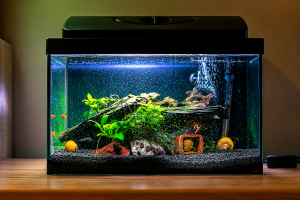
Substrate and Décor
- Sand or fine gravel
- Rock piles and caves for territory
- Avoid sharp decorations
Filtration and Aeration
Strong filtration and water movement are critical due to high bioloads. Stable, oxygen-rich water helps prevent stress and disease.
Breeding African Cichlids
Most African cichlids are mouthbrooders, with females carrying fertilized eggs and developing fry in their mouths until they are strong enough to swim freely. This natural behavior protects young fish from predators and increases survival rates in captivity. Breeding success improves when fish are stress-free, healthy, and follow proper African cichlid care requirements. Hobbyists who buy African cichlids from reputable suppliers, such as Home of Cichlids, often have higher success rates because the fish are well-conditioned and accurately identified by species.
Breeding Tips:
- Use a separate breeding tank to reduce aggression and stress
- Maintain excellent water quality with regular testing and stable parameters
- Provide caves, rocks, or flat stones for spawning and territory establishment
- Remove fry if aggression increases after release to protect both adults and young
Key Steps for Success
- Tank Setup: Create many hiding spots with rocks for females to escape aggression. Use sand for substrate as males dig nesting pits important to consider before you buy African cichlids
- Breeding Behavior: The male entices the female to a site, where they swirl, lay eggs, and the female immediately picks them up for fertilization a common behavior seen in African cichlids for sale
- Identifying the Female: A female holding eggs will appear to have a “puffed” chin or mouth, refuse to eat, and potentially hide.
- Handling Eggs/Fry: While some keepers “strip” the fry (remove eggs/young from the mother’s mouth) around day 14–20, it is often safer to move the mother to a separate, quiet 10–15 gallon tank to release them on her own to reduce stress, especially when caring for African cichlids for sale.
- Feeding Fry: Newly released fry are hardy and can eat crushed flakes, brine shrimp, or specialized fry food.
Common Health Issues and Prevention
African cichlids are generally hardy, but poor water quality, improper diet, overcrowding, or prolonged stress can quickly lead to health problems. Sudden fluctuations in temperature or pH may also weaken their immune systems. Early detection, observation of behavior changes, and consistent care are crucial for preventing disease and maintaining long-term health. Aquarists who buy African cichlids from trusted sources like Home of Cichlids gain access to healthy, high-quality fish and expert guidance on preventing common illnesses.
Common Issues:
- Ich (White Spot Disease): Caused by parasites and often triggered by stress or temperature fluctuations
- Malawi Bloat: Linked to overfeeding, low-quality food, or poor digestion
- Fin Rot: Results from injury, bacterial infection, or poor water conditions
Prevention:
- Perform regular water changes and routine water testing
- Provide a balanced, species-appropriate diet for each type of African cichlid
- Avoid overstocking and always quarantine new fish before introducing them to the main tank
Preventive care reduces the need for medication, minimizes stress, and supports long-term aquarium stability.
Behavior and Social Structure
African cichlids display complex and highly interactive behaviors that shape their social environments. Understanding these patterns is key for maintaining harmony in the tank and ensuring successful long-term African cichlid care requirements. Hobbyists who buy African cichlids from specialists such as Home of Cichlids benefit from guidance on tank setup, social dynamics, and species-specific behavior.
African cichlids commonly exhibit:
- Territorial defense: Especially during breeding, requiring careful tank layout
- Hierarchical dominance: Establishing pecking orders to reduce constant conflict
- Color changes: Linked to stress, health, or social rank, which signal mood and wellbeing
Recognizing these behaviors allows aquarists to adjust tank structure, stocking density, and species selection, creating a thriving, balanced aquarium environment where African cichlids can flourish.

Advantages of Keeping African Cichlids
African cichlids are widely regarded as one of the most rewarding freshwater fish groups to keep in home aquariums. Their combination of visual beauty, intelligence, and interactive behavior makes them stand out from many other aquarium species. When African cichlid care requirements are met, these fish offer long-term enjoyment and a highly engaging fishkeeping experience.
Whether you are looking to buy African cichlids or research their behavior, understanding their needs is essential for a thriving tank.
Stunning Visual Appeal
One of the biggest advantages of keeping African cichlids is their exceptional coloration. Species from Lake Malawi, Lake Tanganyika, and Lake Victoria display intense blues, yellows, reds, oranges, and intricate patterns that often-rival marine fish.
Unlike many freshwater species, African cichlids retain their vivid colors throughout adulthood when kept under proper water conditions and diet. This makes them a popular choice for aquarists looking for eye-catching tanks and vibrant displays.
Fascinating Social Behavior
African cichlids exhibit complex social structures that make them highly engaging to observe. Many species establish territories, form dominance hierarchies, and display distinct courtship behaviors.
Males often perform elaborate displays to attract females, while others actively defend their chosen areas within the tank. Following proper African cichlid care requirements ensures that these behaviors can be observed safely, minimizing aggression and stress.
Long Lifespan (8–10 Years)
With proper care, African cichlids can live between eight and ten years, and some species may live even longer. This extended lifespan allows aquarists to build long-term relationships with their fish and refine their aquarium setups over time.
Choosing healthy specimens from trusted suppliers, such as African cichlids for sale at Home of Cichlids, supports longevity and ensures you start with robust fish.
Strong Hobbyist Community
African cichlids have one of the most active and knowledgeable hobbyist communities in the aquarium world. There is an abundance of information available through forums, breeder groups, clubs, and specialized retailers. Many aquarists rely on advice from experienced hobbyists when they buy African cichlids, ensuring they understand species compatibility, feeding, and tank setup.
Enriched, Dynamic Aquariums
African cichlids create aquariums that feel alive and constantly evolving. Their movement, interaction with tank décor, and ongoing social dynamics bring energy and depth to aquarium displays. Unlike passive fish species, cichlids actively explore their environment, rearrange substrates, and interact with tank mates. Meeting African cichlid care requirements allows aquarists to enjoy a lively, educational, and visually striking aquarium that showcases both the beauty and fascinating behavior of these freshwater fish.
Buying African Cichlids in Australia
When looking for African cichlids for sale, choosing a reputable supplier is critical.
Buying Tips
- Look for active fish with clear eyes
- Avoid damaged fins or lethargy
- Ask about diet, age, and origin
Many aquarists prefer specialized retailers when they buy African cichlids, as expert guidance improves success rates. Home of Cichlids offers healthy African cichlids for sale in Australia along with species-specific advice to support ethical, informed fishkeeping.
African Cichlids Overview Table
Species | Tank Size | Diet | Aggression | Origin |
Mbuna | 75+ L | Herbivore | High | Lake Malawi |
Peacock | 150+ L | Omnivore | Moderate | Lake Malawi |
Haplochromis | 200+ L | Omnivore | Low | Lake Victoria |
Tropheus | 200+ L | Herbivore | High | Lake Tanganyika |
Conclusion
African cichlids are a rewarding addition to freshwater aquariums when their needs are properly understood. Meeting African cichlid care requirements including tank size, water quality, structured habitats, and species-appropriate diets helps reduce stress and aggression while promoting vibrant coloration and long-term health.
Purchasing from knowledgeable suppliers ensures accurate guidance and healthy fish. If you need help choosing species, setting up a tank, or maintaining long-term care, contact us for expert assistance. Home of Cichlids is dedicated to supporting ethical fishkeeping and helping aquarists create thriving African cichlid aquariums.
FAQs
African cichlids are freshwater fish native to East Africa, renowned for vibrant colors and complex social behaviors.
Provide spacious tanks, clean water, hiding spots, and a balanced diet. Monitor behavior and water parameters regularly.
Some species can coexist with compatible tank mates, but research is crucial due to territorial aggression.
You can buy African cichlids in Australia from reputable suppliers like Home of Cichlids, ensuring healthy fish and proper guidance.
Herbivores eat vegetables and algae, omnivores a mix of plant and protein, and carnivores live or frozen protein foods.