Yes, cichlids and tetras can live together but only under specific conditions.
Compatibility depends on the species of cichlid, tank size, aquascaping, and water parameters. While many cichlids are territorial, some species especially South American cichlids can coexist peacefully with schooling tetras when properly managed.
This guide provides a clear, experienced-based explanation of cichlids and tetras compatibility, answering the most common questions aquarium hobbyists ask before creating a mixed freshwater tank. Drawing on widely accepted best practices within the aquarium community, including insights commonly shared by specialist resources such as Home of Cichlids, this article is designed to help aquarists make informed and responsible decisions. Whether you are planning a new setup or researching fish options before making a purchase, this guide offers practical guidance to support long-term fish health and aquarium stability.
Question | Answer |
Can cichlids live with tetras? | Yes, some species can |
Are all cichlids aggressive? | No, temperament varies by species |
Best cichlids for tetras | Angelfish, Rams, Discus |
Minimum tank size | 200 litres or more |
Key success factor | Space, layout, and species selection |
Are Cichlids Aggressive Toward Tetras?
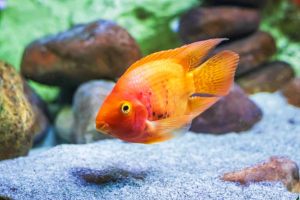
Cichlids are often described as aggressive, but this reputation is species-dependent rather than universal.
Many cichlids are territorial, particularly during breeding, but aggression is usually a response to:
- Overcrowding
- Lack of hiding spaces
- Incompatible tank mates
When housed correctly, several cichlid species display calm and predictable behavior that allows peaceful cohabitation with tetras.
Understanding Cichlid Behavior
Cichlids are one of the most diverse freshwater fish families, found across Africa, South America, and Central America. Their intelligence, vibrant color patterns, and interactive behavior make them extremely popular among aquarists. However, these same traits also mean that careful planning is required when considering cichlids and tetras compatibility or any mixed-species community aquarium.
Territorial Instincts
Cichlids naturally establish and defend territories, particularly as they mature or during breeding periods. In small tanks or poorly designed layouts, this territorial behavior can lead to frequent chasing, fin nipping, or ongoing stress for smaller tank mates such as tetras. Adequate space, visual barriers, and structured aquascaping are essential when evaluating whether cichlids can live with tetras.
Social Structure
Many cichlids form social hierarchies or strong pair bonds, especially in species commonly kept in home aquariums. Disruptions to these social structures—caused by incompatible species, overcrowding, or limited tank space—can increase aggression and territorial disputes. Understanding these dynamics is crucial when selecting the best cichlids for community tanks.
Species Variation
Not all cichlids behave the same way. While some species are highly aggressive and unsuitable for mixed aquariums, others display relatively calm and predictable behavior. This wide variation highlights the importance of researching individual species rather than relying on general assumptions about cichlid behavior.
Understanding Tetra Behavior
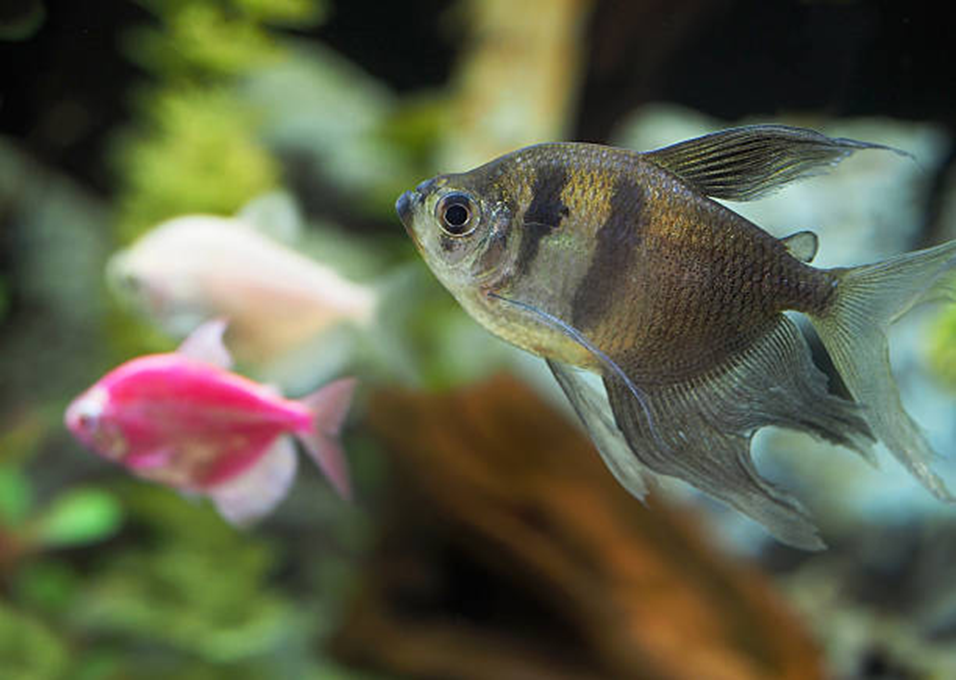
Tetras are small, peaceful schooling fish commonly found in community aquariums. Known for their constant movement and bright coloration, they add visual balance to mixed tanks. Their compatibility with cichlids depends largely on proper schooling, tank size, and their ability to avoid prolonged stress caused by larger or more dominant fish.
Schooling Instinct
Tetras should be kept in groups of at least six to eight individuals of the same species. Proper schooling reduces stress, promotes natural swimming patterns, and helps tetras feel secure even in the presence of larger tank mates. This is especially important when assessing cichlids and tetras compatibility in shared environments.
Limited Defense Mechanisms
Unlike many cichlid species, tetras do not defend territory or engage in aggressive displays. Instead, they rely on speed, coordinated group movement, and open swimming space to avoid perceived threats. In tanks with overly dominant fish, this natural defense strategy may become ineffective.
Stress Sensitivity
Ongoing stress caused by chasing, poor water quality, overcrowding, or inadequate hiding spaces can weaken tetras’ immune systems over time. Prolonged stress often results in reduced lifespan and increased susceptibility to disease, making careful planning essential when combining tetras with larger species in a community aquarium.
Why Compatibility Depends on Species, Not Categories
Compatibility in reproduction isn’t determined by broad labels or human-made categories it’s governed by biology at the species level. While animals may appear similar, share habitats, or even belong to the same genus, successful reproduction depends on a precise set of biological conditions that must align almost perfectly.
1. The Genetic “Zipper” (Chromosomal Compatibility)
Sexual reproduction requires that chromosomes from both parents match up (similar to a zipper) to create a new, functional genome. In discussions of cichlids and tetras compatibility, this genetic alignment is a fundamental barrier.
- Species-Specific Genetics: Two individuals must have the same or very similar chromosome numbers and structural arrangements. A horse has 64 chromosomes and a donkey has 63; they can mate, but their offspring (a mule) is usually sterile because the chromosomes cannot align for meiosis.
- Genome Incompatibility: Even if organisms are within the same broader family, if their DNA has diverged enough, the sperm and egg cannot form a viable embryo.
2. Pre-coital and Post-coital Incompatibility
- Pre-coital (Before mating): Differences in size, behavior, or mating signals (e.g., songs, scents, flashing patterns) often prevent animals from recognizing each other as mates, even if they are closely related.
- Post-coital (After mating): The reproductive environment (pH, chemical signals) of one species is designed to support the sperm and eggs of that specific species only.
3. Evolutionary Divergence (Niches)
Two different species usually occupy different ecological niches, even if they live in the same area. They have evolved specific adaptations that, when combined with a different species, often result in infertile or inviable offspring.
4. Limitations of Taxonomic Categories
While closely related species (same genus) can sometimes produce hybrids, they often cannot. This highlights why cichlids and tetras compatibility is a misconception rooted in classification rather than biology.
Which Cichlids Are Compatible with Tetras?
When planning a mixed community, it is safest to focus on cichlid species that share similar size, temperament, and water needs with your chosen tetras.
African Rift Lake Cichlids
Examples: Malawi, Tanganyika, Victoria cichlids
Compatibility: Not compatible
Reason: These cichlids are highly territorial and require hard, alkaline water conditions that differ significantly from the soft, acidic water preferred by most tetras.
Central American Cichlids
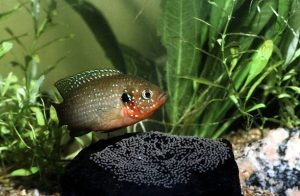
Examples: Convict cichlids, Firemouth cichlids
Compatibility: Not recommended
Reason: These species grow relatively large and display dominant, assertive behavior, which poses a high risk to smaller, peaceful tetra species.
South American Cichlids
Examples: Angelfish, German Blue Rams, Discus, Severums
Compatibility: Potentially compatible
Reason: These cichlids share similar water parameters with tetras and generally have calmer temperaments, making coexistence possible when tank size and layout are properly managed.

Water Parameters That Support Both Species
South American cichlids and most tetras share overlapping environmental needs.
Ideal Shared Conditions
- Temperature: 24–28°C
- pH: 0–7.0
- Water hardness: Soft to moderately soft
Stability is more important than exact numbers. Sudden changes can stress both species.
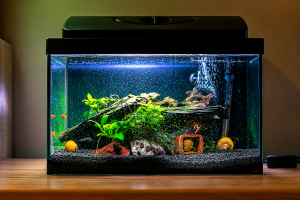
Why Tank Size and Layout Matter
1. Structural Stability and Safety:
Baffling: Internal baffles prevent water from surging side-to-side, which can destabilize vehicles or, in stationary tanks, reduce structural stress important in cichlids and tetras tank setup
Shape: Square tanks can store about 20% more water than rounded tanks of similar dimensions and offer a lower center of gravity, enhancing stability.
2. Fluid Dynamics and Performance:
Height-to-Diameter Ratio: A ratio above 1.5 is often used to minimize inactive water zones (transition zones) in thermal storage tanks also relevant for South American cichlids with tetras
Outlet Placement: Proper placement of outlet points ensures that water is drawn from the best location, avoiding sediment and preventing air from entering the system.
3. Maintenance and Hygiene:
Accessibility: A well-designed layout includes accessible openings for cleaning and inspection, which is essential to prevent contamination supporting long-term care of the best cichlids for community tanks
Sediment Control: Specific layouts, such as coned bottoms or elevated outlets, allow sediment to drop out and stay out of the supply, improving water quality.
4. Operational Flexibility:
Sectioning: Large, custom tanks can be divided into sections, allowing one part to be cleaned while the other remains in operation, or to separate different types of water (e.g., drinking vs. general use).
Feeding Without Triggering Aggression
Competition during feeding often causes issues even among otherwise peaceful fish, particularly in mixed aquariums that combine cichlids and tetras. A well-planned feeding strategy is an essential part of any successful cichlids and tetras tank setup, as improper feeding can quickly trigger territorial behavior and stress.
Best Feeding Practices
- Use sinking foods for cichlids to accommodate their feeding habits and reduce surface competition
- Offer floating or slow-sinking foods for tetras so they can feed comfortably in mid and upper water levels
- Feed in multiple areas of the aquarium to prevent dominant fish from controlling food access
- Avoid overfeeding, as excess food can increase aggression and degrade water quality
Balanced feeding reduces competition, minimizes conflict, and supports long-term health in mixed aquariums, especially when keeping South American cichlids with tetras.
Compatibility Overview Table
Factor | Cichlids | Tetras | Impact |
Temperament | Territorial to calm | Peaceful | Species dependent |
Adult Size | Medium to large | Small to medium | Size balance required |
Swimming Zone | Bottom to mid | Mid to top | Reduced overlap |
Water Needs | Varies by origin | Soft, acidic | SA overlap works |
Social Structure | Pair or hierarchy | Schooling | Needs space |
Common Mistakes That Cause Compatibility Issues
One of the most common mistakes aquarists make is assuming that any two peaceful species will automatically coexist simply because they have calm reputations. Successful mixed aquariums especially those designed around the best cichlids for community tanks require careful planning and species-specific understanding.
Choosing Fish Based on Appearance
Color and visual appeal are not reliable indicators of compatibility. Juvenile cichlids often appear calm, but many become territorial as they mature. This is a frequent issue in poorly planned cichlids and tetras tank setups, where adult behavior was not considered in advance.
Overstocking the Tank
Overcrowding increases stress, competition, and aggression while also raising the risk of disease. Overstocking limits swimming space and makes it difficult for both cichlids and tetras to establish natural behavior patterns, even when using species commonly listed among the best cichlids for community tanks.
Ignoring Breeding Behavior
Even peaceful species, including South American cichlids with tetras, can become highly territorial during spawning. Without adequate space, visual barriers, and hiding areas, breeding behavior can quickly disrupt compatibility.
Ethical Fishkeeping Considerations
Fish compatibility is not limited to preventing visible aggression or physical injury. Incompatible tank mates can cause chronic stress, which may not always be immediately obvious but can have serious long-term effects on fish health and wellbeing. Prolonged stress can:
- Shorten overall lifespan
- Weaken the immune system
- Increase susceptibility to disease and parasites
- Suppress natural behavior and feeding responses
Responsible aquarists understand that ethical fishkeeping goes beyond visual appeal. Creating a stable environment that reflects natural conditions is essential for both physical health and behavioral balance. This includes selecting compatible species, providing adequate space, maintaining consistent water parameters, and designing aquascapes that allow fish to retreat, explore, and establish territories naturally.
Prioritizing welfare over aesthetics results in healthier, more resilient aquariums and reduces the need for corrective actions such as rehoming fish or treating stress-related illnesses. Ethical planning also supports long-term sustainability within the aquarium of hobby.
Choosing Reliable Sources and Planning Ahead
When researching fish for a mixed aquarium, accurate identification and detailed care information are essential. Many experienced aquarists prefer specialized sellers and knowledgeable retailers because they provide reliable guidance on temperament, compatibility, feeding habits, and long-term care requirements.
These sources are more likely to offer correctly identified fish, realistic expectations regarding adult size, and practical advice based on real-world aquarium experience rather than generic care summaries. Planning especially when selecting species for South American cichlids with tetras or other community setups—helps prevent compatibility issues and supports healthier, more stable aquariums over time.
Conclusion
Keeping cichlids and tetras together can be successful when compatibility is carefully considered and species are selected responsibly. Factors such as cichlid temperament, tetra schooling requirements, tank size, aqua scaping, and stable water parameters all play a critical role in maintaining a peaceful mixed aquarium.
South American cichlids generally offer the best compatibility, while other groups may present higher risks. Prioritizing fish welfare over visual appeal leads to healthier, more stable aquariums. If you are uncertain about species selection or tank setup, contact us for expert guidance. Home of Cichlids is committed to supporting ethical, informed fishkeeping decisions.
FAQs
Yes, certain South American cichlids can live with tetras in large, well-structured tanks.
Angelfish, German Blue Rams, Discus, and Severums are among the safest options.
No, African cichlids are typically too aggressive and require different water conditions.
A minimum group of six to eight tetras is recommended.
Tetras should usually be added first to establish schooling behavior.