Green Severums (Heros severus) are a favourite among Australian cichlid enthusiasts for their stunning green hues, peaceful temperament, and manageable size. Whether you’re a seasoned aquarist or just stepping into the world of breeding cichlids, learning how to breed Green Severums can be a rewarding journey. With the right setup, proper pair bonding, and diligent care, you can successfully breed these beautiful fish at home.
In this detailed guide, we’ll cover everything you need to know—from selecting breeding pairs and setting up the tank, to fry care and understanding Green Severum behaviour during the breeding process.
Understanding Green Severum Behaviour
Before diving into breeding specifics, it’s important to grasp the general behaviour of Green Severums. Native to the Amazon basin, these cichlids are semi-aggressive but typically more peaceful than many other cichlid species, making them suitable for community tanks and home breeding.
During breeding, however, their temperament can change. Severums become territorial, particularly around their chosen spawning site. Watching for increased aggression or pairing off behaviour can be an early indicator that breeding is imminent.
Severums exhibit monogamous behaviour once a pair bond is formed. Unlike many other cichlid species, they may take longer to choose a mate, so patience is key.
Choosing a Breeding Pair
One of the essential severum breeding tips is selecting a compatible breeding pair. Here’s how to do it:
1. Grow a Group of Juveniles
Start with a group of 6–8 juvenile Severums. This allows them to grow up together and naturally form bonds. Sexing Green Severums when young is difficult, so this approach increases your chances of forming a breeding pair.
2. Identify a Breeding Pair
Look for a male and female that have paired off. You’ll notice them spending more time together, defending a particular territory, and cleaning surfaces in preparation for egg laying.
3. Distinguish Sex Differences
While not foolproof, there are a few visual differences:
- Males are generally larger, have more pointed dorsal and anal fins, and may display more vivid colouration.
- Females are slightly smaller, with rounder fins and a more subtle green shade.
Breeding Tank Setup
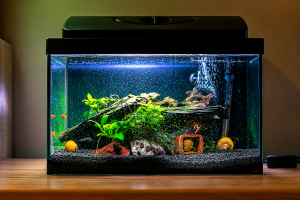
Creating the right environment is crucial when learning how to breed Green Severums. A well-prepared breeding tank setup will increase the chances of successful spawning and fry survival.
1. Tank Size
A minimum 150-litre tank is recommended for a breeding pair. Green Severums can reach up to 20 cm in length, so they need ample space.
2. Water Parameters
Maintain the following conditions:
- Temperature: 27–29°C
- pH: 6.0–6.5 (slightly acidic)
- Hardness: Soft to moderately hard water
- Use a reliable heater and filter to keep conditions stable.
3. Aquascaping for Breeding
- Include flat stones or large pieces of driftwood where eggs can be laid.
- Avoid sharp decorations that can injure the fish.
- Plants can be added around the perimeter, but keep the central area open.
4. Filtration & Aeration
Use a sponge filter to ensure gentle water flow without risking fry being sucked in. Good aeration also helps keep the water oxygenated, essential for egg and fry development.
Spawning Behaviour & Egg Care
Once the pair is comfortable in their environment, spawning may begin. Understanding their behaviour will help you support the process.
1. Spawning Preparation
- The pair will clean a flat surface together.
- Courtship involves circling, fin shaking, and colour intensification.
- The female lays up to 300–1000 eggs, which the male fertilises.
2. Egg Care
Both parents typically guard the eggs. However, if it’s the first spawn, they might eat the eggs due to stress or inexperience. This is normal and tends to improve with subsequent attempts.
Eggs usually hatch within 3–4 days, depending on temperature. If the parents are not reliable, consider using a separate hatching tank to protect the eggs.
Green Severum Fry Care
Fry care is a delicate yet vital stage in breeding success. Once the fry hatch, they enter the wriggler stage and begin absorbing their yolk sacs.
1. Feeding the Fry
After 5–7 days, the fry become free-swimming and require food:
- Start with infusoria or liquid fry food.
- Introduce baby brine shrimp (BBS) as they grow.
- Feed small portions 3–4 times daily to avoid overfeeding and maintain water quality.
For more information about the best nutrition practices, read our detailed feeding guide for cichlids.
2. Water Changes
Perform small daily water changes (10–15%) to maintain pristine water quality. Avoid large water shifts, which can shock the fry.
3. Growth and Separation
As the fry grow, they may need to be separated based on size to prevent bullying. By 4–6 weeks, you can start transitioning them to crushed flakes or pellets.
Additional Severum Breeding Tips
Here are a few more helpful strategies to ensure successful breeding:
- Consistency is key – Maintain stable water parameters at all times.
- Conditioning with high-protein foods – Feed the breeding pair with quality protein-rich foods like bloodworms and krill.
- Reduce stress – Avoid tapping on the glass or frequent tank interference.
- Observe – Spend time watching your fish; behavioural cues can tell you a lot about their readiness and health.
To further explore general breeding and care knowledge for cichlids, visit our dedicated cichlids info section.
Common Challenges and Troubleshooting
1. Eggs Disappearing
This usually happens with first-time parents. Try giving the pair another chance, or consider artificially hatching eggs if it continues.
2. Fry Mortality
Poor water quality is the main culprit. Use a sponge filter, change water regularly, and feed high-quality food.
3. Aggression
Breeding pairs can become overly aggressive, even with each other. If aggression escalates, use a divider or separate the pair temporarily.
Final Thoughts
Breeding Green Severums at home is not only possible but also incredibly fulfilling. With the right breeding tank setup, a healthy bonded pair, and dedicated fry care, you can successfully raise a new generation of these majestic fish. While challenges may arise, patience and observation are your greatest tools.
As a hobbyist breeder, mastering how to breed Green Severums opens the door to exploring more advanced cichlid species and helps contribute to sustainable, home-based fish keeping in Australia.
FAQs
Green Severum eggs typically hatch within 3–4 days, depending on the water temperature.
It’s not recommended. Severums become territorial during breeding and may become aggressive toward tank mates. A separate breeding tank is ideal.
Start with infusoria or liquid fry food, followed by baby brine shrimp. Gradually introduce finely crushed flakes or micro pellets.
A mature female can lay between 300 and 1000 eggs in a single spawning.
Look for pair bonding, increased aggression, colour changes, and cleaning of flat surfaces inside the tank.