Aquarium hobbyists chasing vibrant colour in their freshwater aquarium often turn to specialised colour-enhancing foods promising deeper reds, richer blues, and glowing yellows.
For lovers of African cichlids and other showy species, it’s tempting to believe that a magic pellet or flake will transform a dull fish into a living jewel.
In reality, colour enhancement is a team effort: diet plays a big part, but so do genetics, water quality, and overall health. Let’s cut through the marketing hype and look at what really happens when you feed your cichlids a pigment‑boosting fish food.
Understanding Fish Colour: Carotenoids and Pigments
Most bright hues in aquarium fish—especially reds, oranges, and yellows—come from dietary carotenoids. Unlike mammals, fish can’t make these pigments themselves; they must extract them from their cichlid diet.
Carotenoids like astaxanthin, beta‑carotene, and canthaxanthin accumulate in skin cells (chromatophores) and give fish their signature palette. A landmark review on carotenoid‑based pigmentation in cichlids explains how these molecules signal health and even mating fitness in the wild, and how they’re deposited during growth and maintenance phases of the fish’s life cycle.
What Goes into Colour-Enhancing Foods?
Manufacturers add both synthetic and natural pigment sources to cichlid foods:
- Spirulina (blue-green algae) for blues and greens
- Paprika and red pepper extracts for reds and oranges
- Shrimp meal or krill powder to deliver astaxanthin
- Synthetic canthaxanthin in premium flakes or pellets
Quality brands blend these pigments with a balanced protein–vegetable matrix, so fish get both energy and the building blocks for healthy skin cells. But no single additive will replace a solid staple diet: look for powders or pellets listing one of the above near the top of the ingredients list.
Evidence from Controlled Studies
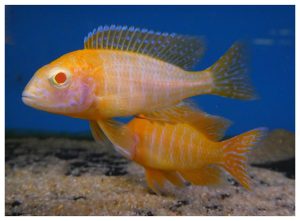
In a feeding trial on red zebra cichlids, researchers compared diets containing astaxanthin (AA), beet root red (AP), henna (AI), and a carotenoid-free control (AK).
Fish fed AA, AP, or AI (each with 50 mg/kg carotenoids) showed significantly higher redness (a*) compared to AK. Total carotenoid levels and growth metrics did not differ significantly. After 120 days frozen storage, all groups showed reduced colouration, though the decrease was only significant in AA and AI groups, not AP.
The study concluded natural pigments (AP, AI) provided colour enhancement comparable to astaxanthin.
Lessons from Ornamental Dwarf Cichlids
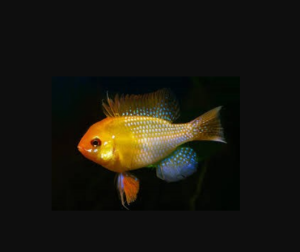
A study on Mikrogeophagus ramirezi tested diets supplemented with oleoresin paprika (60, 120, or 240 mg/kg) against a carotenoid-free control.
Near-adult fish fed any paprika dosage showed significantly higher carotenoid levels (72–87 μg/g vs. 34 μg/g control) and enhanced colouration after 45 days, with 60 mg/kg being sufficient for good colour. Post-larvae required the highest dose (240 mg/kg) to accumulate significantly more carotenoids (59 μg/g) after 75 days. Growth and survival were unaffected.
Visual assessment confirmed pigment levels directly correlated with colour intensity, demonstrating paprika’s efficacy.
Practical Tips for a Balanced Cichlid Diet
- Staple first, enhancer second. Choose a high‑quality cichlid food as your daily base. Look for 30–40% protein, with at least one natural pigment source listed in the top five ingredients.
- Rotate proteins and veggies. Alternate shrimp meal pellets with spirulina flakes and occasional live or frozen brine shrimp. A varied menu helps maintain appetite and prevents nutritional gaps.
- Feed sparingly but often. Offer only what your fish can finish in 3–5 minutes, two to three times a day. Leftover feed fouls the water and stresses fish, dulling their colours over time.
For an accessible breakdown of feeding routines, check out:
Feeding Guide for Cichlids: From Fry to Adults (Schedules & Best Foods)
Why the Type of Cichlid Matters
Not all species respond the same to colour‑enhancing foods. Herbivorous Mbuna thrive on vegetable‑rich pellets with spirulina, while carnivorous peacock cichlids favour brine shrimp and krill‑based diets. Before splurging on a fancy pigment blend, identify your fish: Pseudotropheus species need different nutrition than Aulonocara. A mismatched diet can lead to poor digestion or even bloat, neither of which helps with colour enhancement.
The Role of a Healthy Environment
Diet is only one piece of the puzzle. Fish can focus their efforts on producing pigments rather than stress reactions when the pH, hardness, and temperature of the water are stable. Regular water changes, efficient filtration, and careful stocking levels ensure your freshwater aquarium remains a low‑stress backdrop for showing off those colours. Overcrowding, spikes in ammonia, or chronic illness will drag down even the best‑fed fish.
Common Myths and Marketing Hype
- “Instant colour!” No food instantly “turns” pale fish neon. True pigmentation takes weeks of consistent feeding.
- “One‑size‑fits‑all pellets.” Beware, a single brand claiming to work for every type of cichlid; read reviews specific to your species.
- “High pigment = healthy fish.” Excessive synthetic dyes may mask poor nutrition or illness. Always prioritise overall health over flash.
Ready to See Real Colour Results?
Absolute Colour delivers:
✅ Natural enhancement (no synthetic dyes) – just high-protein fishmeal + vitamins
✅ Visible results in 14 days – backed by a clear feeding protocol
✅ Sinking pellets that work for cichlids and community tanks
✅ Australian-made with zero hormones or gimmicks
→ Try Absolute Colour
Conclusion
Colour‑enhancing foods can play a valuable role in a comprehensive Cichlid Diet, but they’re not magic bullets. Scientific studies show that properly formulated feeds—particularly those containing astaxanthin and plant carotenoids—do enhance reds and oranges more effectively than spirulina‑only options. However, genetics, water quality, stress levels, and the right staple fish food remain the foundation of any display‑worthy setup. By choosing reputable brands, matching nutrition to your species (especially African cichlids), and maintaining a clean, stable freshwater aquarium, you’ll give your fish the best shot at that sought‑after vibrant colour. In the end, healthy fish with balanced diets—and maybe a little paprika—are the brightest in the tank.